
Why Travelers Are Choosing Nature-Based Escapes Over Traditional Getaways
Travel has started to feel different.
The shift isn’t loud, but it’s clear. It shows up in where people choose to go, how they spend their time, and what they expect to feel when they arrive.
The pace has softened. The focus has narrowed. What once revolved around seeing more has begun to center on experiencing more. Nature-based escapes are no longer a niche alternative. They’ve become a preferred way to travel.
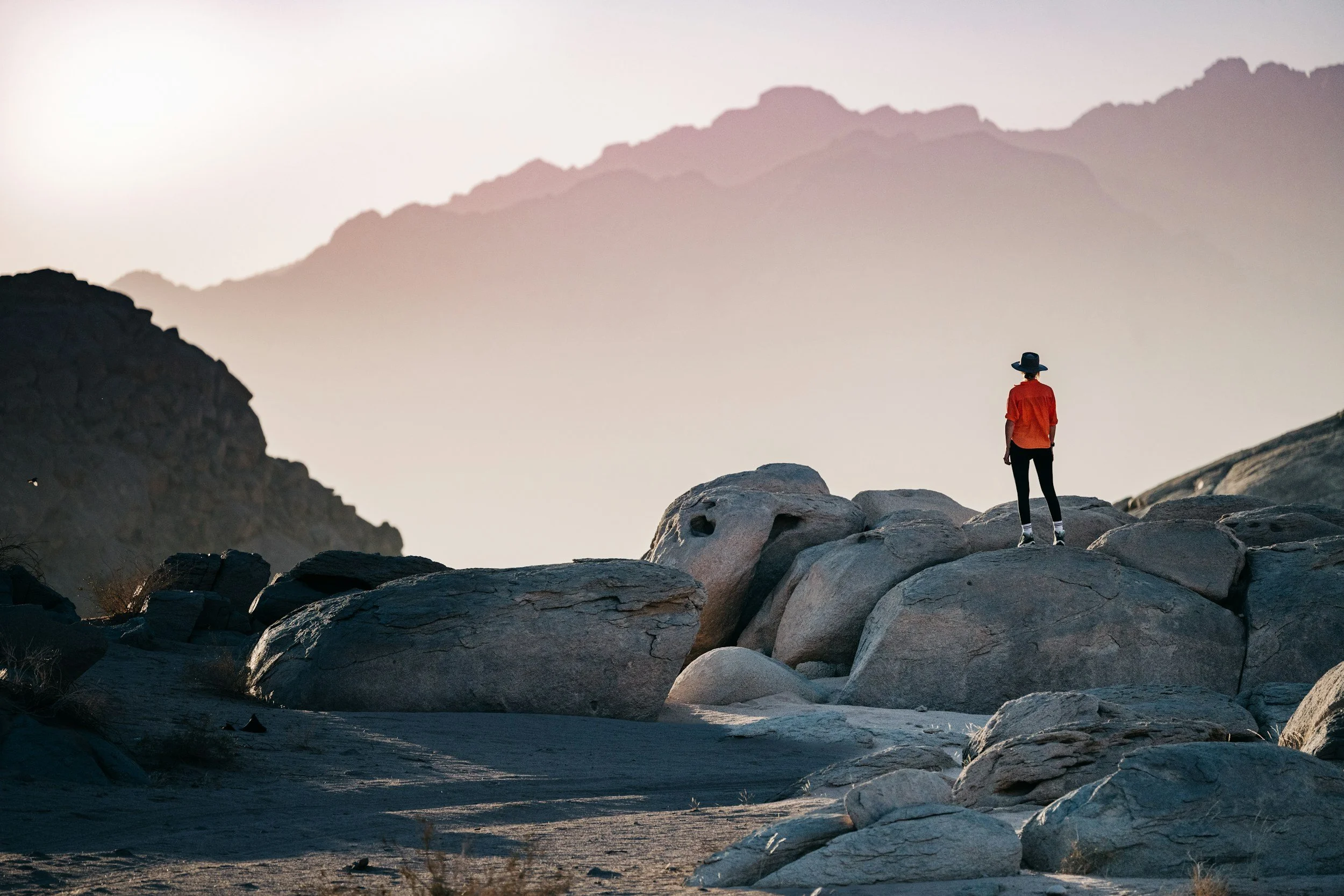
Travel in 2026 is looking a little less like packed itineraries and crowded landmarks, and a lot more like fresh air and open green and blue spaces. Whether it’s hiking through dramatic landscapes or swimming in wild waters, travelers are trading traditional getaways for nature-based escapes.
Travelers are putting more thought than ever into where, how, and why they explore.
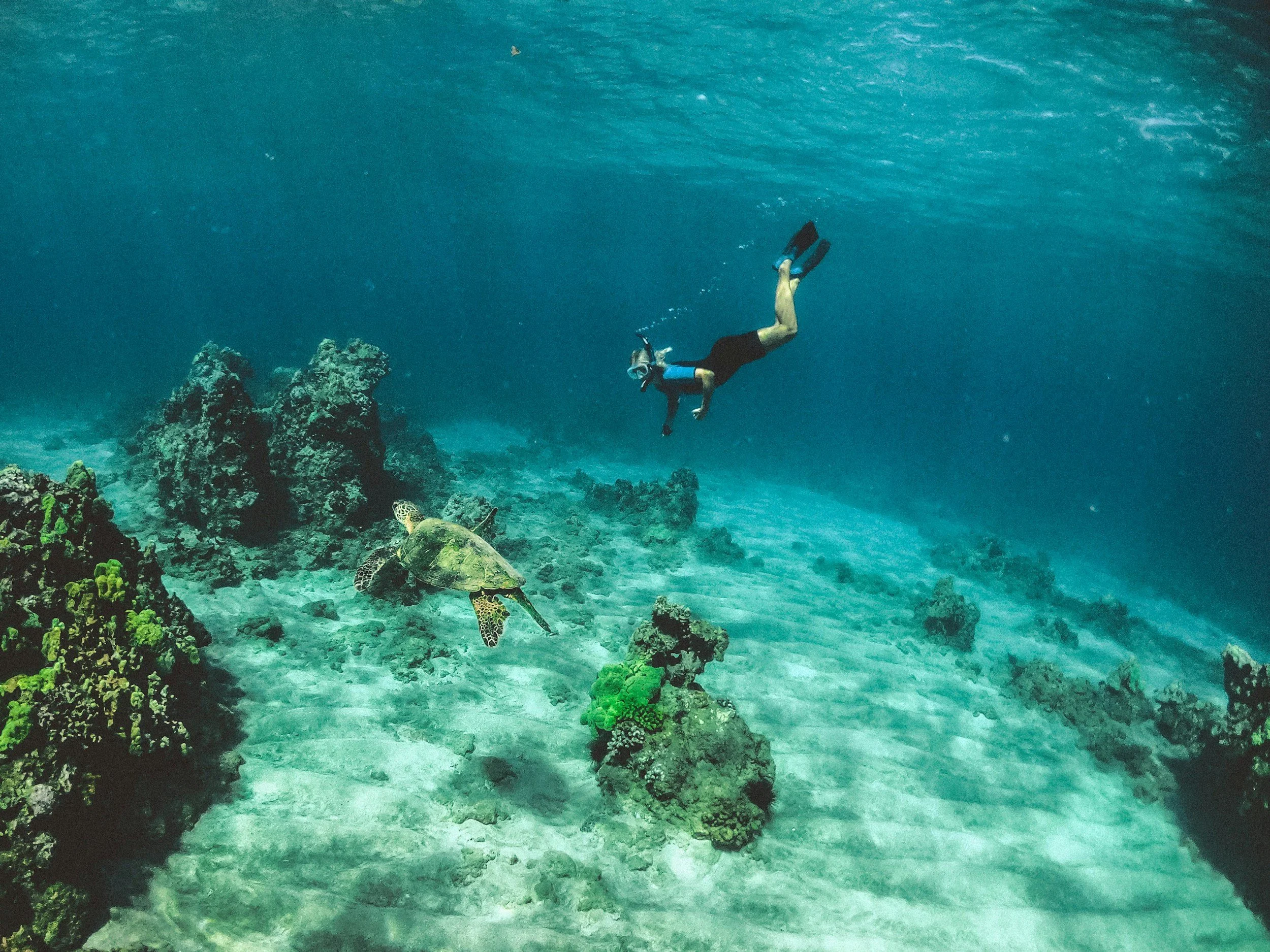
Eighty-three percent say they prioritize authentic experiences over traditional tourist attractions, and nature plays a prominent part. More than half of travelers are drawn to wildlife experiences, and nearly half are drawn to geological landscapes and water-based vacations (42% and 43%, respectively). Travelers also crave more than just lounging on the beach. They seek sun-swathed spots that feel as immersive as they do energizing, whether they’re snorkeling around coral reefs, hiking jungle trails, or surfing along craggy coastlines.
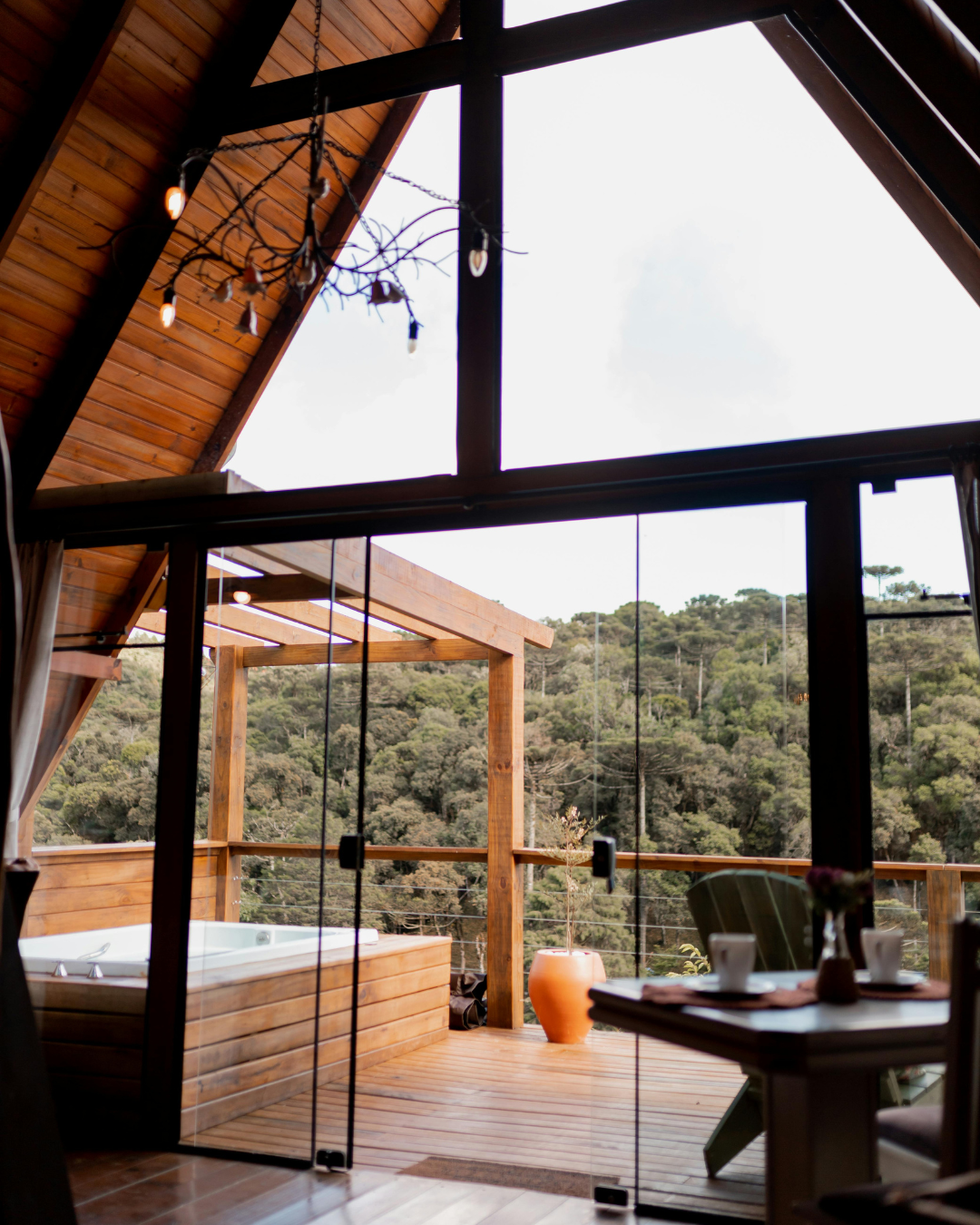
Meanwhile, most travelers are opting for unconventional accommodations like glampsites that double as part of the experience, places that encourage a digital detox and a deeper connection to their natural surroundings.
National Parks are no Longer Road-Trip Side Quests
The road trip has and always will be a favorite American pastime. Today, road trippers are drawn to the flexibility of choosing their own routes. But nowadays, many people aren’t just hitting the open road for the sake of it. They’re headed to national parks.
An interest in national parks is surging globally. Searches for stays “near a national park” are up 35% in the U.S., signaling that travelers aren’t just visiting; they’re planning entire trips around these destinations.
The U.S. is celebrating its 250th anniversary, alongside milestone anniversaries for iconic parks like Great Smoky Mountains National Park, Shenandoah National Park, and Grand Teton National Park, putting them on travelers’ radars. The Great Smoky Mountains, for example, is one of the top trending destinations globally, with searches from solo travelers skyrocketing by more than 135%.
This surge is also tied to a deeper cultural shift. Nature and outdoor experiences are now the most-booked category on Airbnb. Social media is reinforcing the trend with the “touch grass” movement, which encourages people to get outside and engage with the world around them.
While the U.S. is leading the charge, the trend is undeniably global. Internationally, nature lovers are pairing cultural trips with nearby wilderness, from Crete, Greece (near Samaria Gorge) and Goa, India, to Sardinia, Italy, and Jakarta, Indonesia, all of which are within reach of protected natural landscapes.
Slow Travelers are Flocking to Farm Stays
While national parks are drawing travelers outward, farm stays are inviting them in. Travelers are increasingly trading city lights for starlit skies, embracing quieter, more grounded escapes rooted in simplicity, routine, and connection to the land.
Farm-style travel is surging, with ever more travelers interested in staying on or near farms. They’re looking to take nature walks, interact with farm animals, and get into hands-on experiences like harvesting produce or picking fresh fruit.
This rise is closely tied to the broader slow-travel movement, where the focus shifts from doing more to experiencing more deeply. And it’s not just a passing curiosity. There’s been a 300% year-over-year spike in guest reviews mentioning farms.
At the heart of this trend is something even more powerful than novelty: stillness. Travelers have a growing appetite for quiet, restorative travel, and many want to vacation specifically to feel closer to nature. A quarter of them are turning to “quieter” hobbies and restorative rituals, such as doing farmwork, foraging, and fishing, that prioritize patience, reflection, and stress relief. These experiences invite travelers to observe, participate, and engage with their surroundings in more intentional ways.
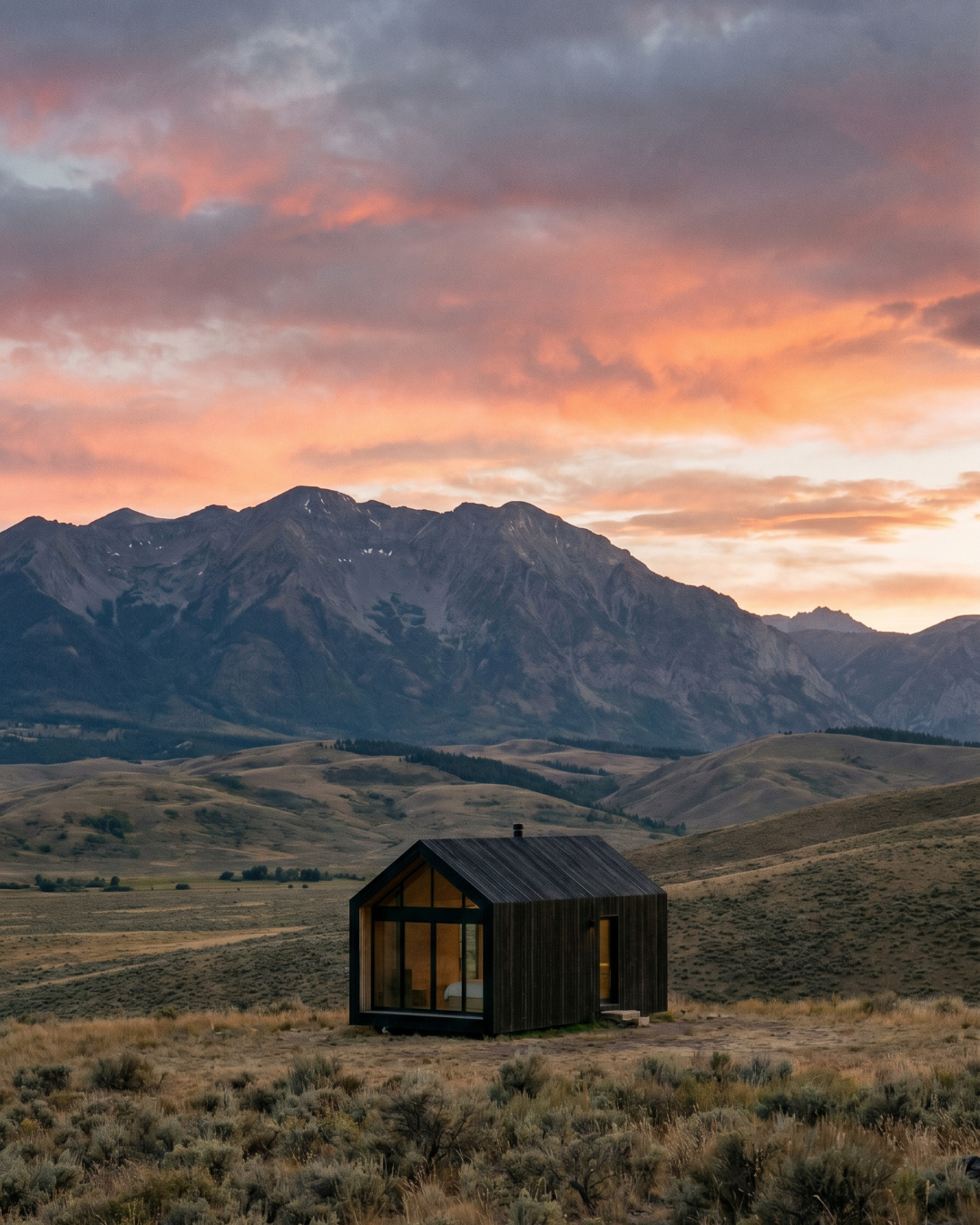
Natural Wonder “Romantasy” Retreats are on the Rise
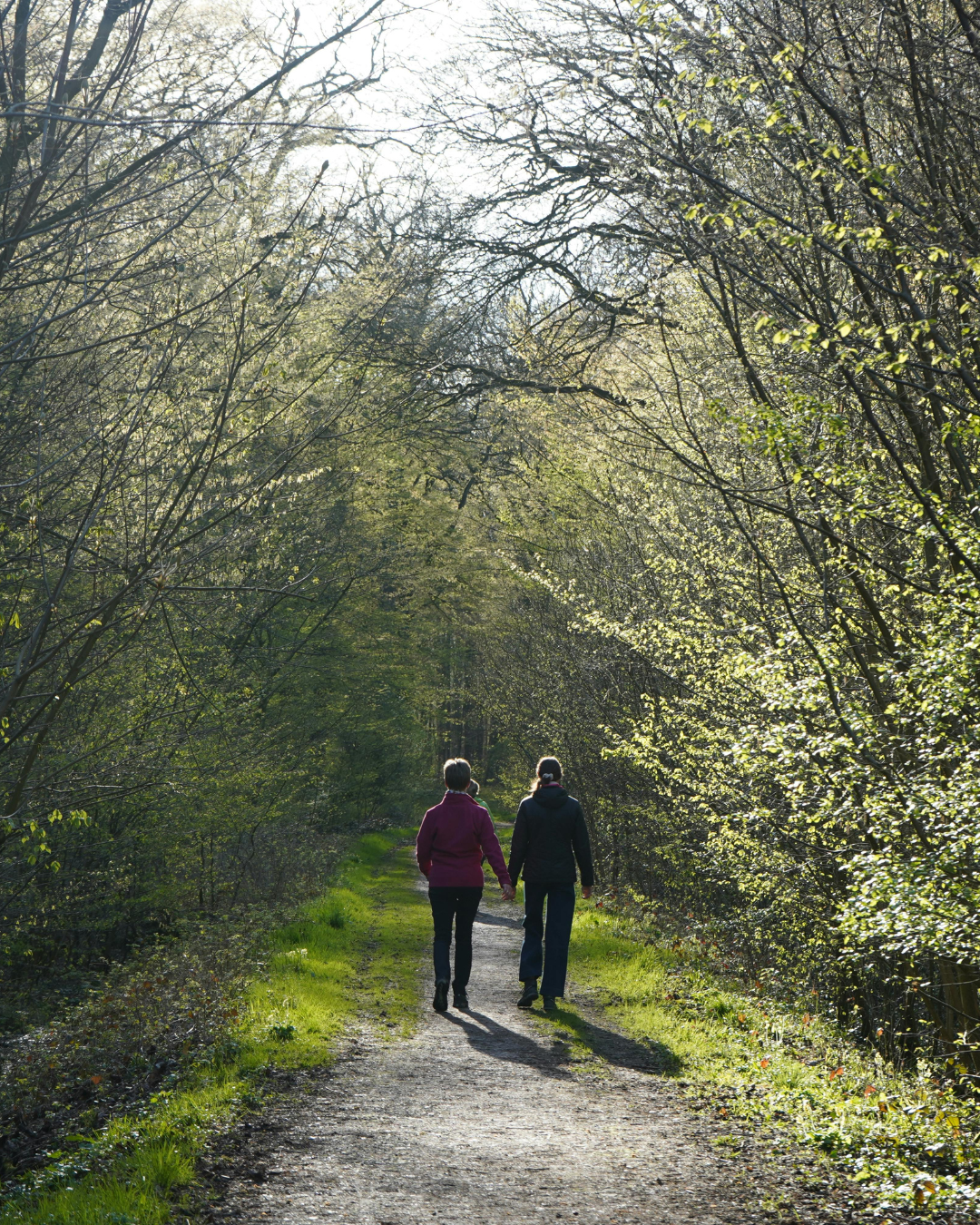
As fantasy genres like romantasy surge in popularity, travelers are increasingly drawn to real-world landscapes that feel straight out of a storybook: misty forests, dramatic coastlines, remote valleys, and castle-dotted hillsides that blur the lines between reality and imagination.
Most global travelers are interested in visiting destinations inspired by fantasy worlds. While medieval architecture is a big part of that, it’s the natural environments surrounding these castles and enchanting landmarks that truly bring these “storyscapes” to life. Think: ancient woodlands, rugged cliffs, and secluded landscapes that spark a sense of wonder and discovery.
This taps into something deeper than aesthetics. Over half of travelers want to immerse themselves in the experience, such as by participating in role-play experiences inspired by their favorite books, games, or films. Even without costumes and scripts, nature itself provides the setting for that kind of escapism. Being in a quiet, expansive, and slightly otherworldly place creates a sense of adventure that traditional travel can’t quite replicate.
Elemental Wellness Wets Travelers' Appetites
Travelers are also shifting away from urban wellness trends like saunas and cold plunge studios in favor of more elemental, wild experiences. Think: glacier-fed swims, geothermal pools, and natural hot springs.
Digital detox tourism reached $2.8 billion in 2025 and is projected to reach $7.6 billion by 2034 as more travelers prioritize unplugging as part of their well-being. Millennials, in particular, account for approximately $1.18 billion of the digital detox tourism market. They tend to favor premium wellness retreats and structured nature immersion programs, spending over $3,000 on about week-long trips.
Many are investing in multi-day nature retreats that combine mindfulness with outdoor immersion, whether that’s forest bathing in Japan, which is scientifically validated for its nature-immersion therapy tradition, or practicing yoga in Bali, where 320 registered wellness retreat operators continue to attract the highest volume of wellness tourists.
In Europe, Tuscany's agriturismo circuit and the UK's Cotswolds countryside are among the most-booked short-break digital-detox destinations. The fastest-growing global destination for wellness tourism, however, is India's Rishikesh region. Rishikesh combines yoga, meditation, and Ayurvedic wellness programming, and it attracts about 85,000 international wellness tourists annually.
Nonetheless, North America has dominated the industry with 36.2% of the global revenue in 2025.
“Dead-Zoning” Prioritizes Unplugging in Nature
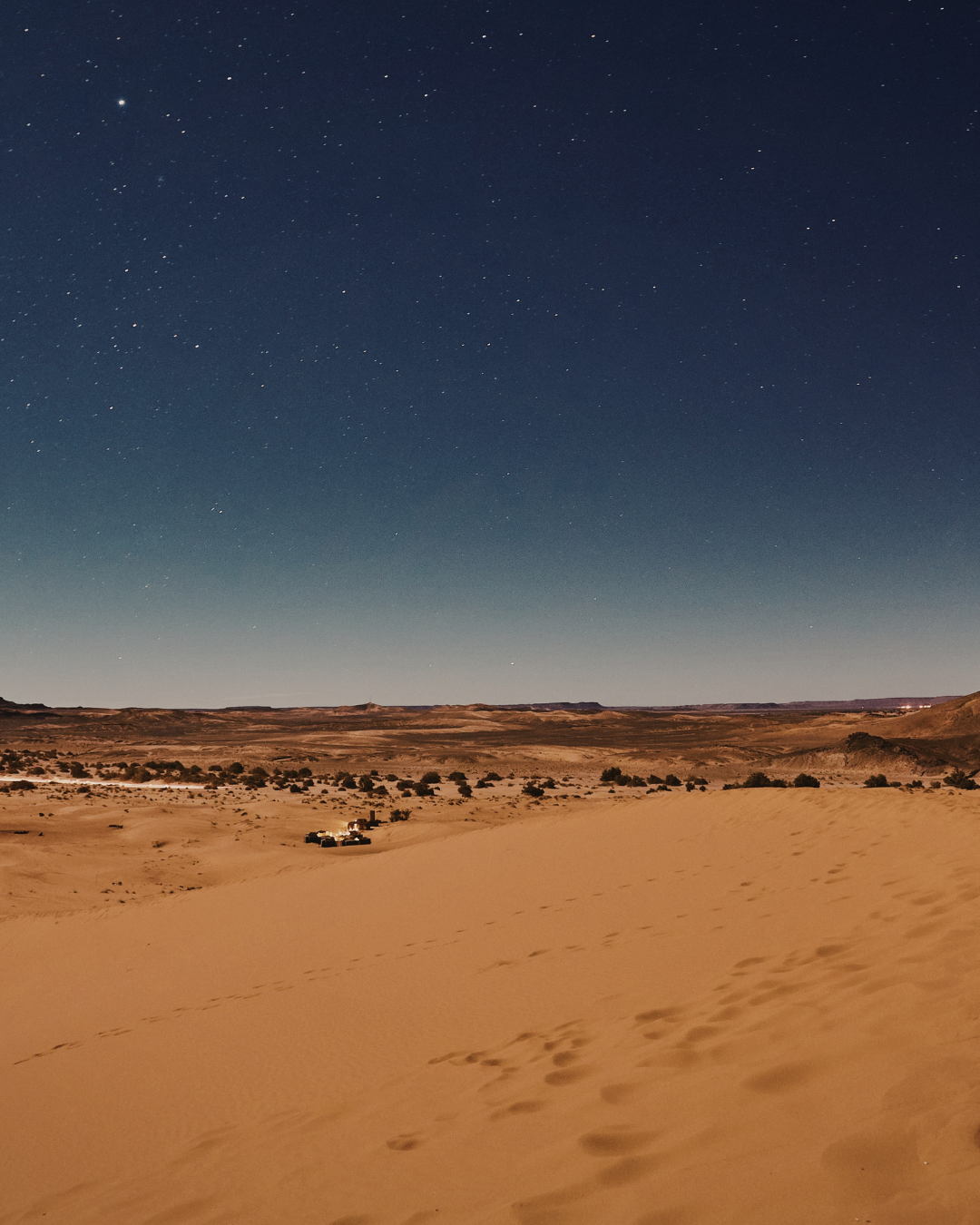
In 2026, travelers aren’t just choosing to unplug. They’re choosing destinations that make it impossible not to. It’s called “dead-zoning.”
More than half of travelers say they’re setting stronger boundaries with work while on vacation, actively seeking places where Slack messages and Zoom calls simply can’t reach them. Instead of relying on willpower alone, they’re heading to remote, hard-to-access destinations that naturally enforce a digital detox.
And nature is at the center of this movement. From the misty forests and wildlife-rich landscapes outside Antananarivo to the quiet coves near the Smokies in Tennessee, travelers are gravitating toward places where the environment dictates the pace of the day.
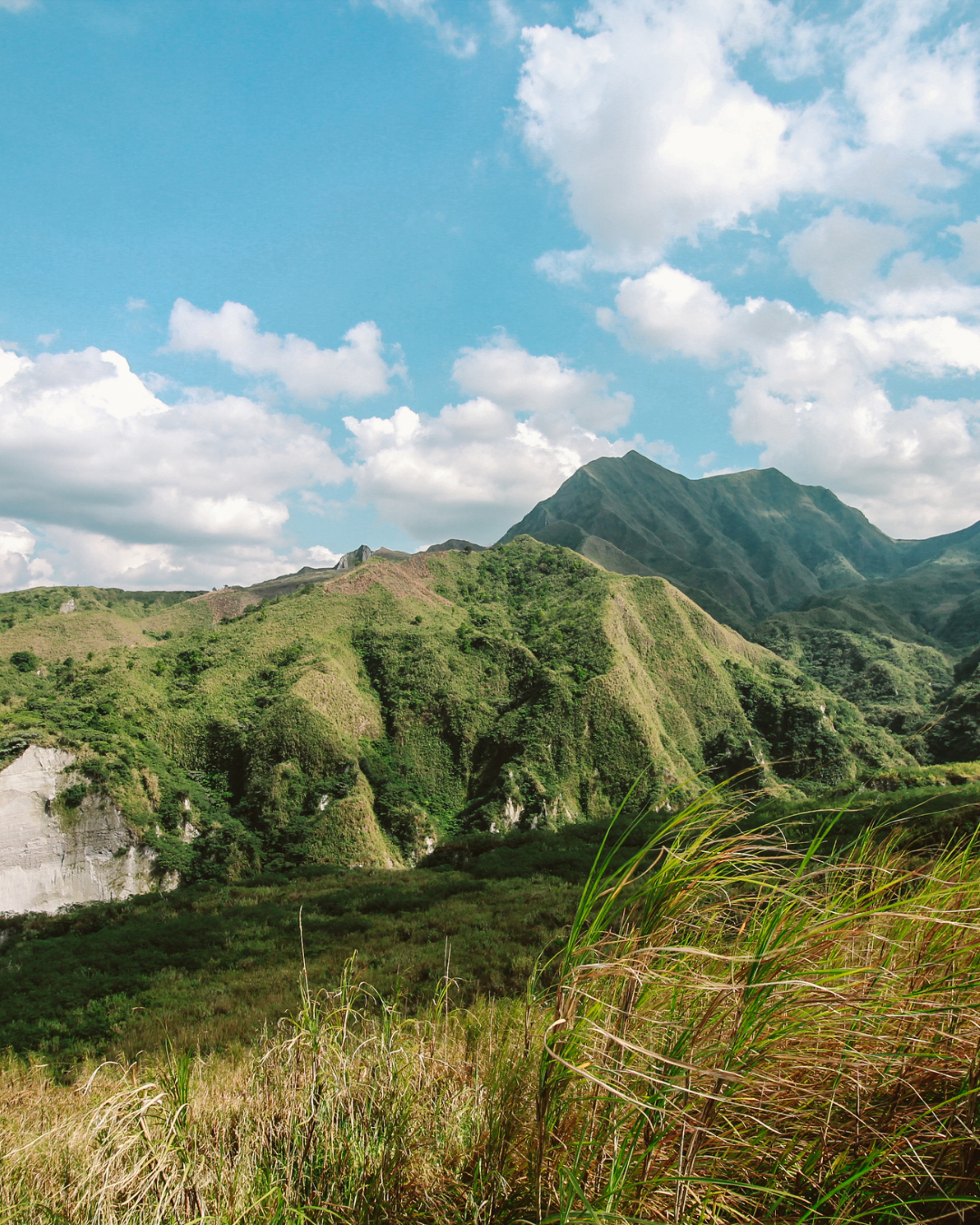
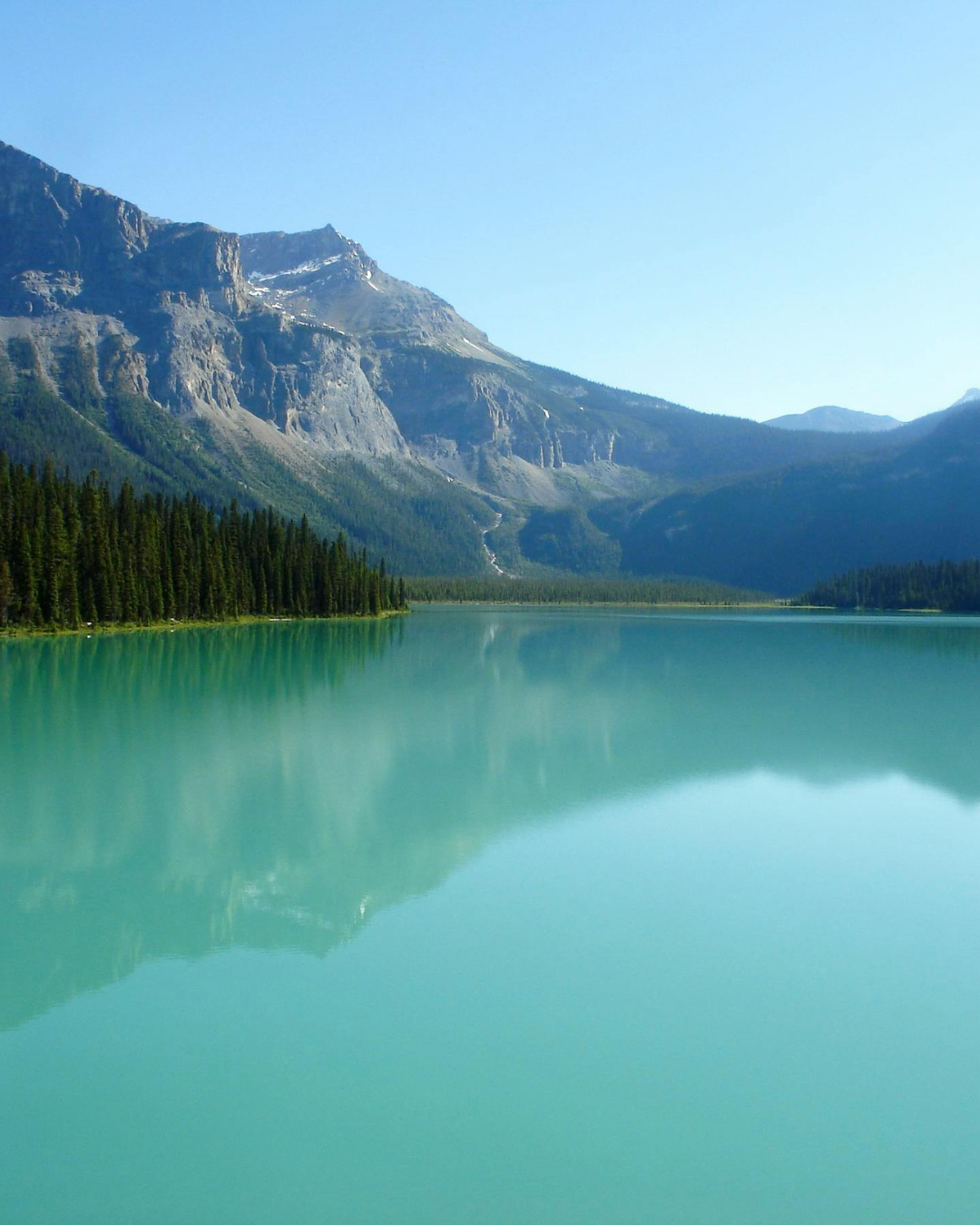
Destinations like El Nido in the Philippines, Golden in Canada, and McCall, Idaho, offer a mix of raw beauty and remoteness that makes unplugging feel effortless.
The Bottom Line
Nature-based travel isn’t about stepping away entirely. It’s about shifting perspective.
The environment plays a larger role. The pace adjusts. The expectations change. There’s less emphasis on capturing the moment and more on being within it.
Travelers are no longer satisfied with passive, surface-level experiences. They crave connection, depth, and meaningful experiences that leave lasting impacts on them.
As the world becomes more urbanized and digitally connected, the desire to return to nature is likely to grow stronger. That’s simply because nature offers something that structured travel often cannot, room to think, to pause, and to experience a place without constant direction. It doesn’t require a dramatic change. Just a different setting. And increasingly, that’s exactly what travelers are choosing.
By offering a combination of adventure and authenticity, glamping stays can meet the evolving needs of modern travelers. They provide an antidote to everyday stressors, a more intimate connection to the wild, and a renewed sense of perspective.