
Why Travelers Are Choosing Nature-Based Escapes Over Traditional Getaways
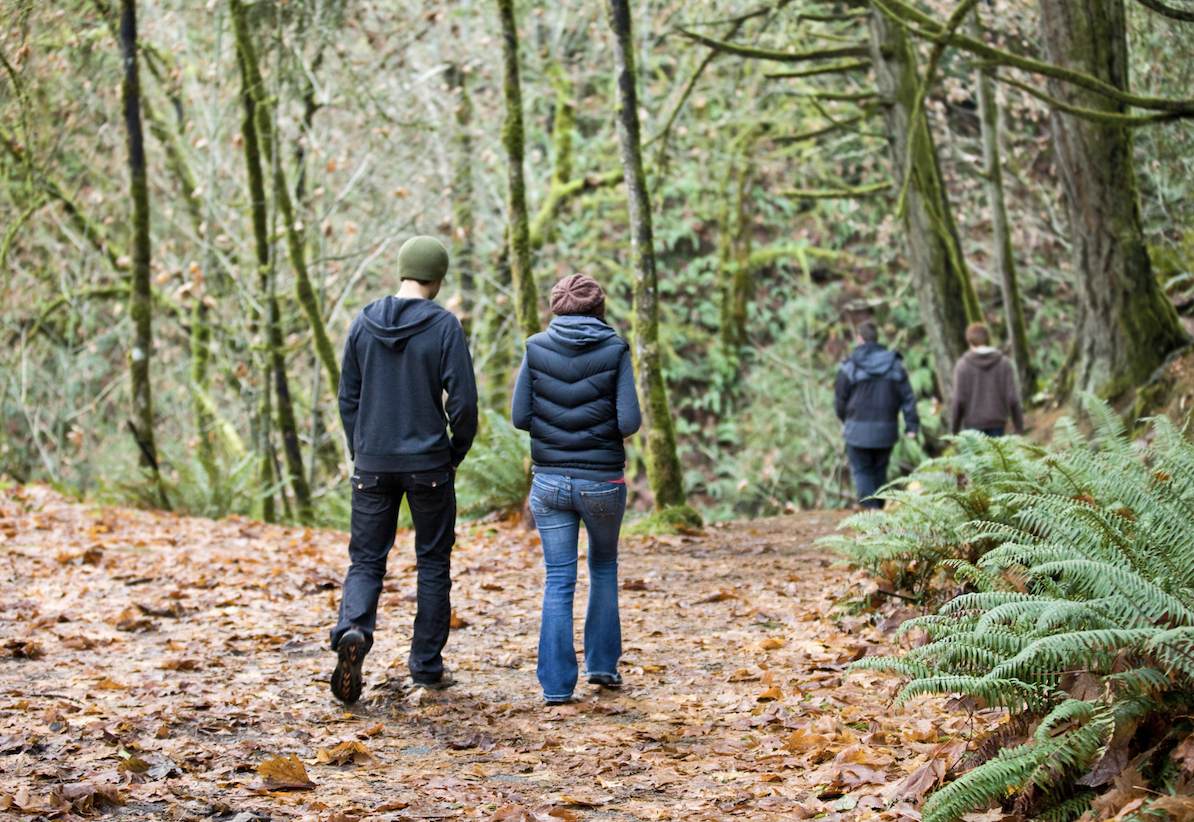
Travel has started to feel different.
The shift isn't loud, but it's clear. It shows up in where people choose to go, how they spend their time, and what they expect to feel when they arrive. The pace has softened. The focus has narrowed. What once revolved around seeing more has begun to center on experiencing more.
Nature-based escapes are no longer a niche alternative. They've become a preferred way to travel.
A Move Away from Over-Scheduled Travel
Traditional getaways often follow a familiar rhythm: early mornings, full itineraries, and long lists of places to see. The experience is structured, efficient, and often crowded.
Nature-based travel moves in the opposite direction. There's less emphasis on covering ground and more attention given to how a place is experienced. A morning might begin with nothing more than stepping outside and noticing the air. An afternoon may pass without a plan. The environment sets the pace, and the day adjusts around it.
This shift doesn't feel like doing less. It feels like removing what isn't necessary.
Where the Setting Becomes the Experience
In many cases, the destination itself is no longer separate from the stay. Travelers are choosing places where the surroundings aren't something to visit, they're something to live within, even if only for a few days. Forest edges, coastal cliffs, desert landscapes, and open farmland are no longer side excursions. They are the center of the experience.
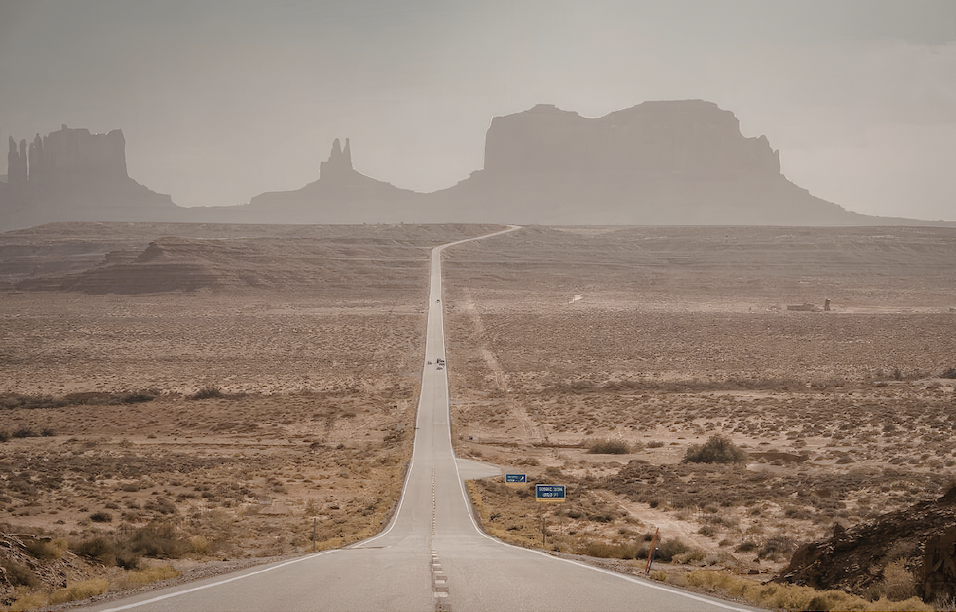
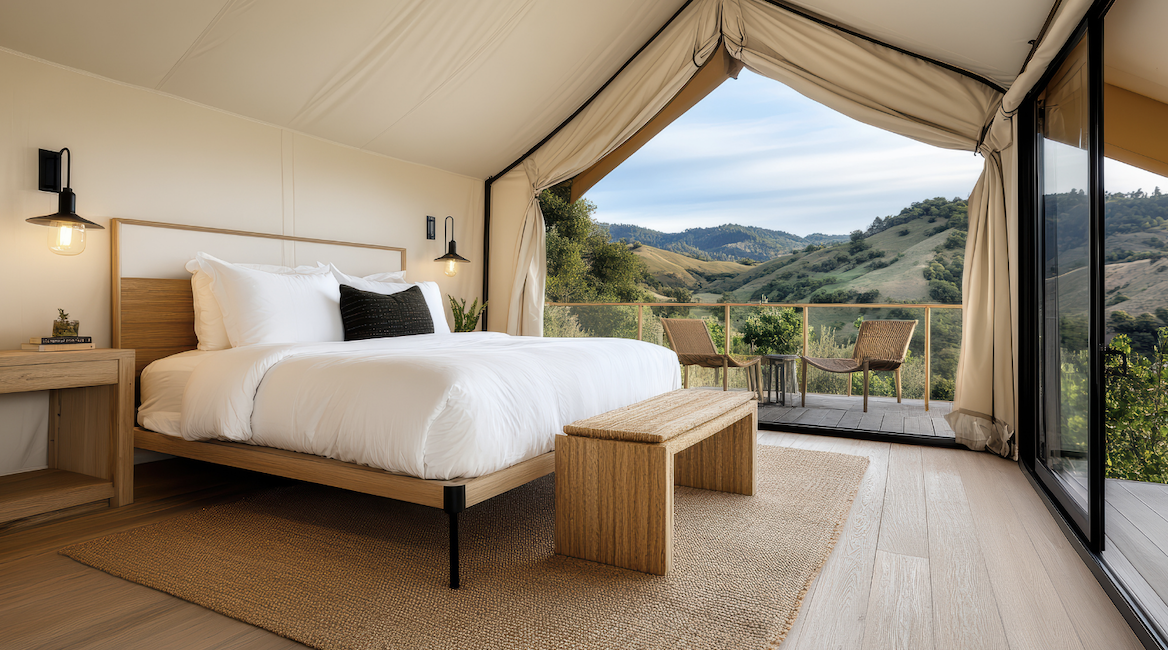
Accommodations have followed that shift. Stays are designed to sit within the landscape rather than apart from it. Windows frame the view instead of blocking it. Outdoor spaces are used as much as interiors. The line between inside and outside becomes less defined.
A Return to Slower, More Grounded Travel
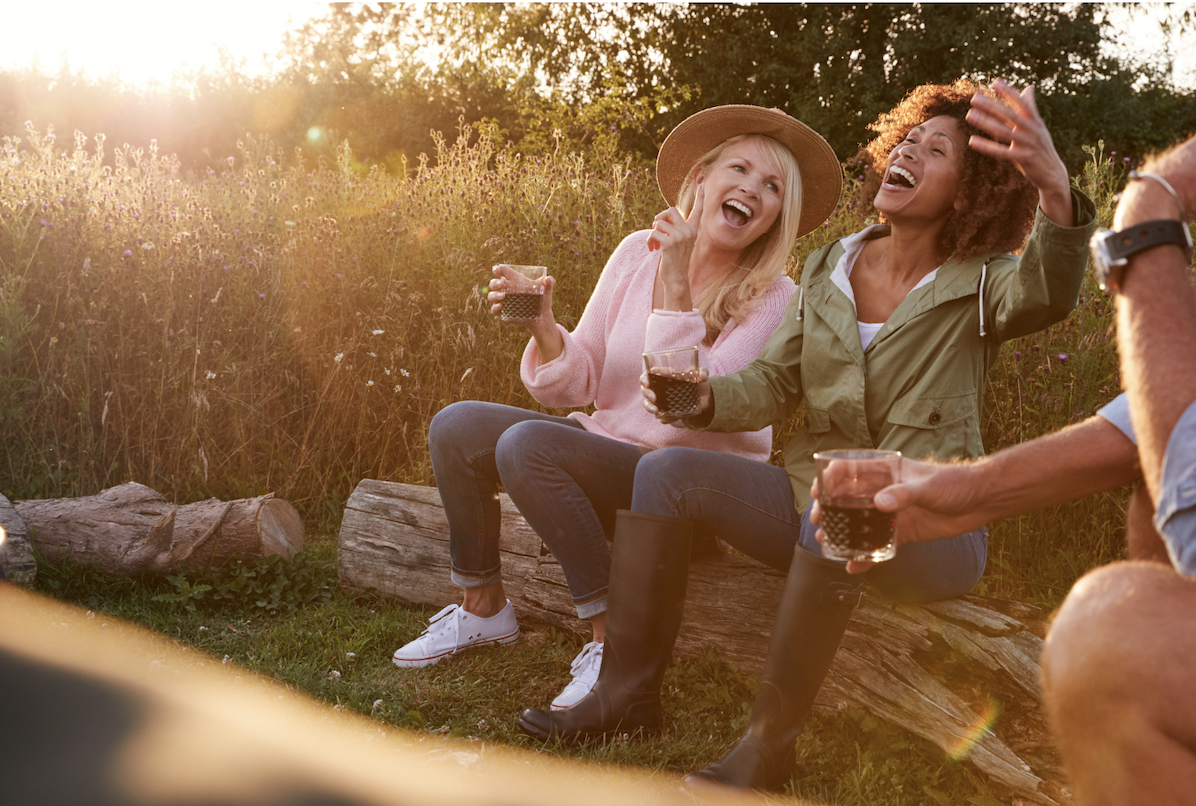
There's also a noticeable return to slower forms of travel. Farm stays, remote cabins, and small-scale retreats offer a different rhythm; one shaped by routine rather than activity. Mornings may include simple tasks. Evenings arrive without urgency. The day unfolds in a way that feels steady rather than scheduled.
These experiences don't rely on novelty. They rely on presence. What draws people in isn't just the setting, but the feeling of being anchored within it.
Places That Feel Slightly Removed
There's growing interest in destinations that feel just out of reach—not inaccessible, but removed enough to create distance from daily life.
These are places where connection isn't always guaranteed. Where service may be limited. Where the environment quietly takes over as the primary focus.
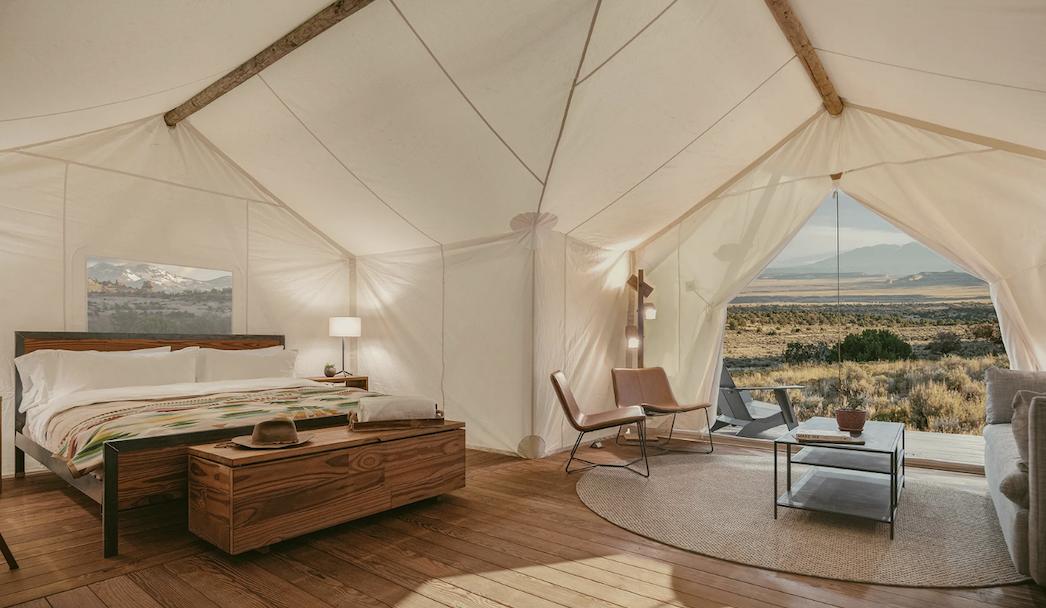
(Photo Courtesy of Under Canvas)
The appeal isn't in isolation. It's in clarity.
Without constant notifications or background noise, attention shifts. Time stretches. Even familiar activities like walking, sitting, and reading begin to feel different when they're not interrupted.
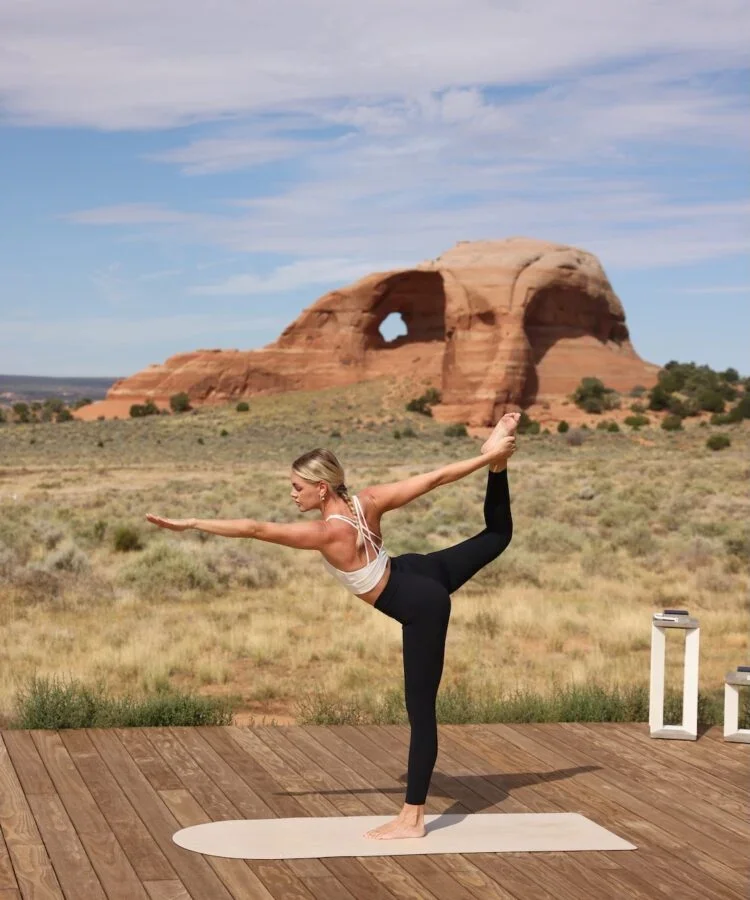
(Photo Courtesy of ULUM Moab Under Canvas)
Wellness, Without the Structure
Wellness has also moved beyond structured environments. Instead of scheduled sessions and curated programs, travelers are gravitating toward experiences that feel more natural and less prescribed. Cold water, open air, movement, rest—these elements exist without instruction.
The setting itself does the work. A swim in open water. Time spent outside at the beginning or end of the day. Long stretches without distraction. These moments carry a different kind of restoration—one that doesn't need to be labeled to be felt.
A Different Kind of Escape
Nature-based travel isn't about stepping away entirely. It's about shifting perspective. The environment plays a larger role. The pace adjusts. The expectations change.
There's less emphasis on capturing the moment and more on being within it. And for many travelers, once experienced, it becomes difficult to return to the previous way of moving through it all.
As daily life becomes more connected, more scheduled, and more digital, the pull toward open space becomes stronger. Nature offers something that structured travel often cannot—room to think, to pause, and to experience a place without constant direction. It doesn't require a dramatic change. Just a different setting.
And increasingly, that's exactly what travelers are choosing.