
The Rise of Design-Forward Glamping
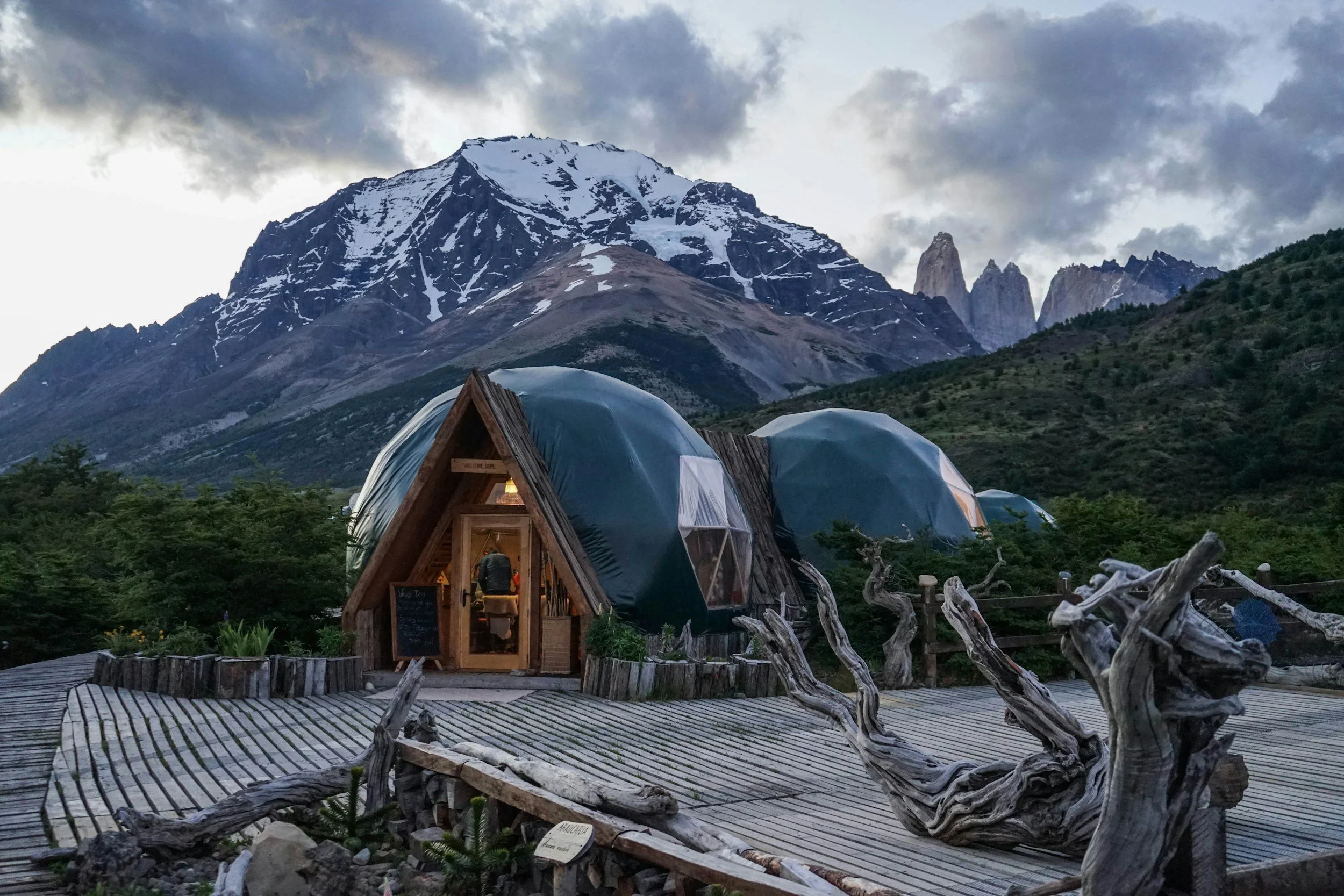
Camping used to mean pitching a tent, unrolling a sleeping bag, and accepting a certain level of discomfort as part of the experience.
Early glamping introduced a different pace of outdoor stay, one that allowed access to nature without removing comfort entirely. It focused on convenience, real beds, electricity, and maybe even a compost toilet. Today, that definition has been completely reimagined.
From architect-designed yurts in remote forests to luxury safari tents styled like high-end suites, glamping has evolved far beyond its early iterations. It’s no longer just about “glamorous camping.” It’s about highly curated and deeply immersive stays that often rival the most luxurious hotels.
Design-forward glamping is a fast-growing space. It is projected to reach $7.87 billion in 2033, growing at a CAGR of 9.5%. The growth is primarily driven by the boost in demand for luxury outdoor experiences, ones that place aesthetics, architecture, and atmosphere at the center.
What began as a shift in comfort has evolved into something more defined. Across remote settings, design now shapes the experience as much as the landscape itself.
The Influence of Boutique Hospitality
The influence of boutique hospitality is evident. Spaces once defined by utility now reflect a level of detail more often associated with small, design-led hotels. Design-forward glamping delivers on that expectation.
Europe is setting the tone. The region accounted for 35% of the global glamping market in 2025, and its influence is clear in the design language showing up across glamping stays worldwide. Many of today’s most sought-after setups draw directly from European aesthetics, particularly Scandinavian minimalism. Think clean lines, neutral palettes, and natural or locally sourced materials.
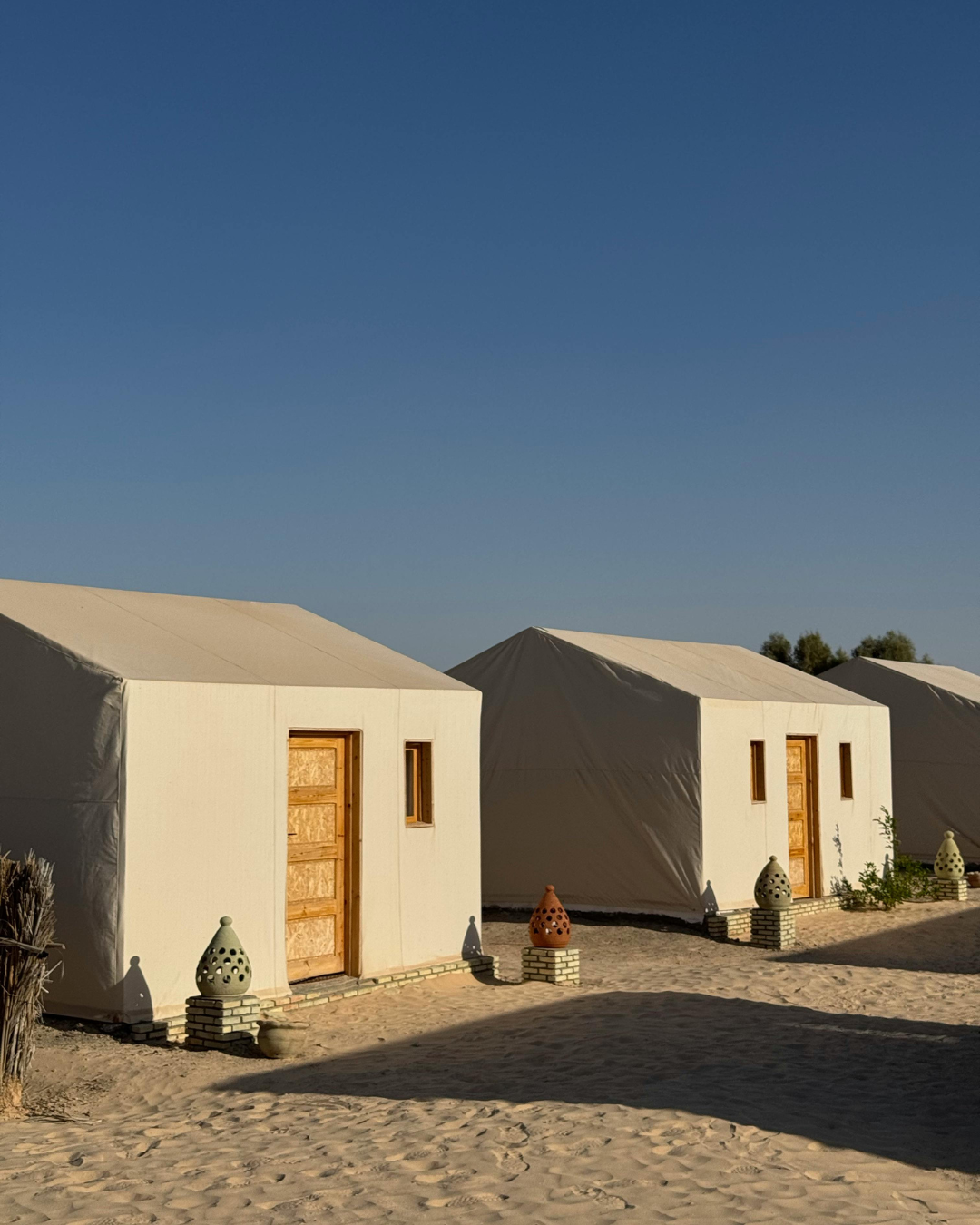
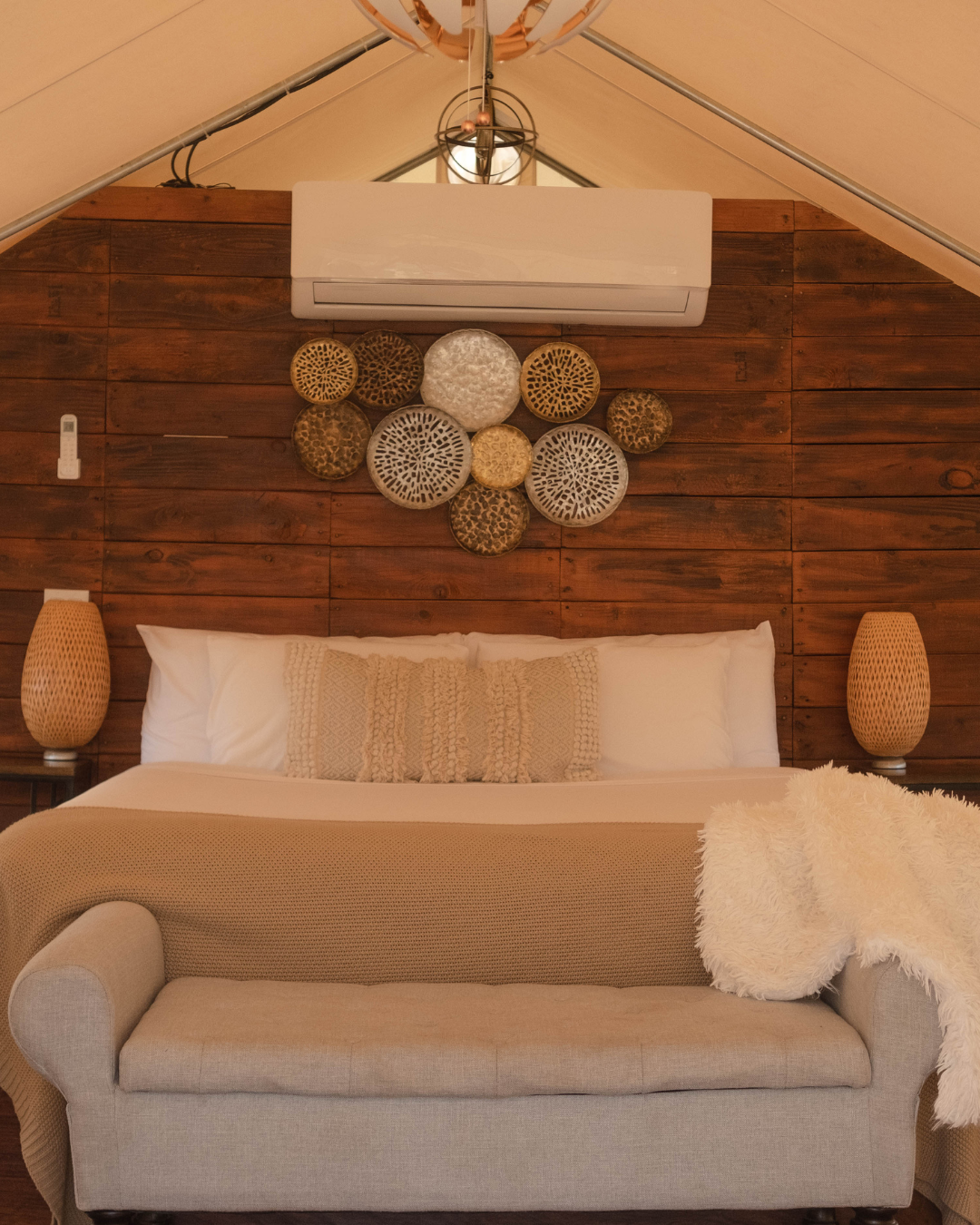
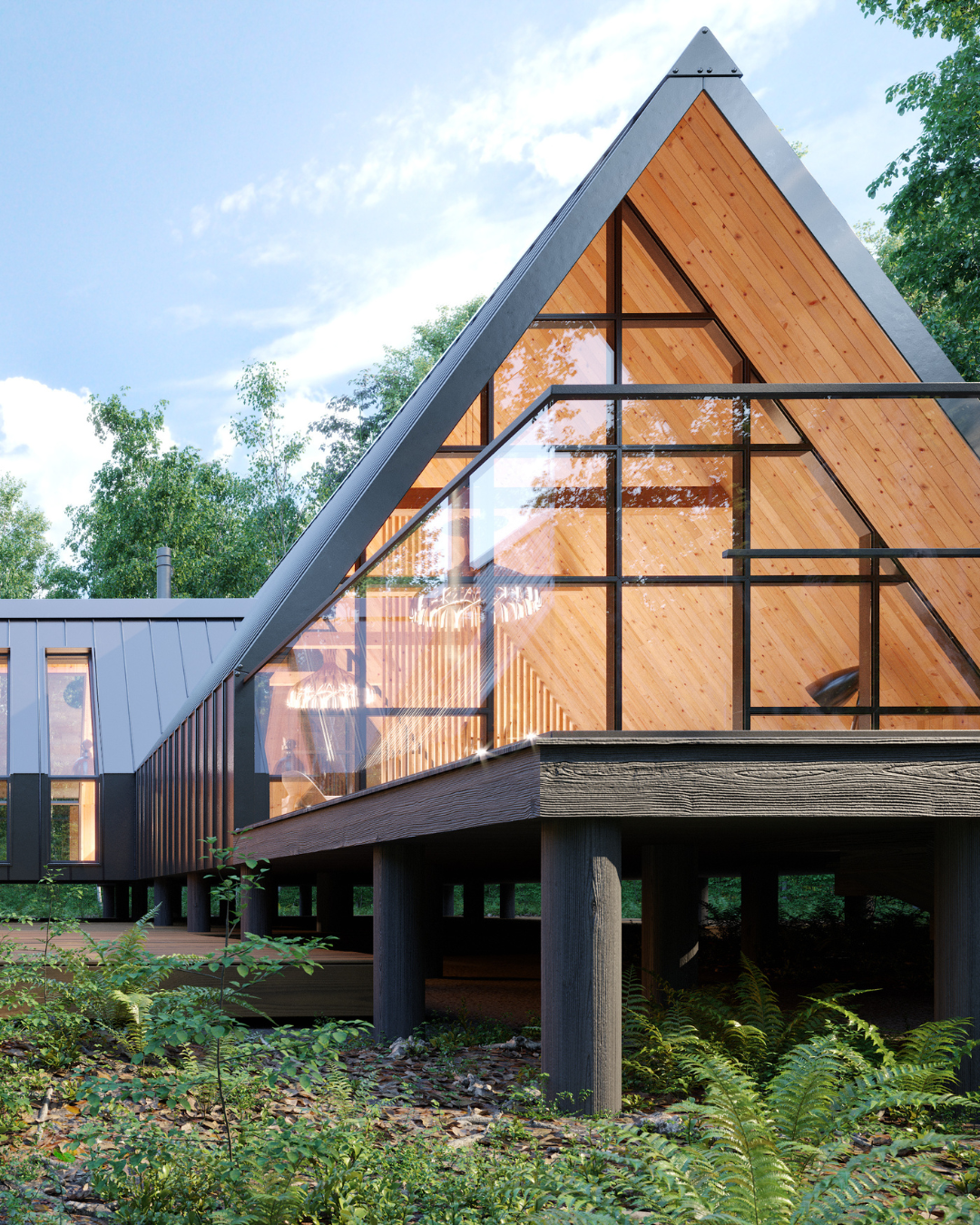
Many stays are designed by architects or interior designers, giving each location a distinct aesthetic and narrative.
Cabins with floor-to-ceiling windows, desert domes filled with filtered light, and treehouses positioned within dense forest canopies reflect this shift. Every detail, from the linens to the lighting, is carefully considered.
Instagram and the Effect of Aesthetic Culture
Travelers aged 18 to 32 accounted for 43.9% of glamping revenue in 2025, making them the dominant force shaping the category. This generation doesn’t just want places to sleep. In a society short-circuited by constant commands for their attention, they want experiences that feel visually inspiring and restorative.
And the way they discover travel has shifted. They encounter many destinations first as images, defined by light, structure, and setting before they are experienced in person.
Platforms like Instagram, YouTube, TikTok, and Pinterest have turned travel into a visual experience, where aesthetics play a major role in decision-making. In fact, social media platforms are now the most influential source of travel inspiration, more impactful than traditional media, review platforms, and official travel sites. More than half of travelers are even comfortable booking travel experiences, such as their glamping spots, directly through social media.
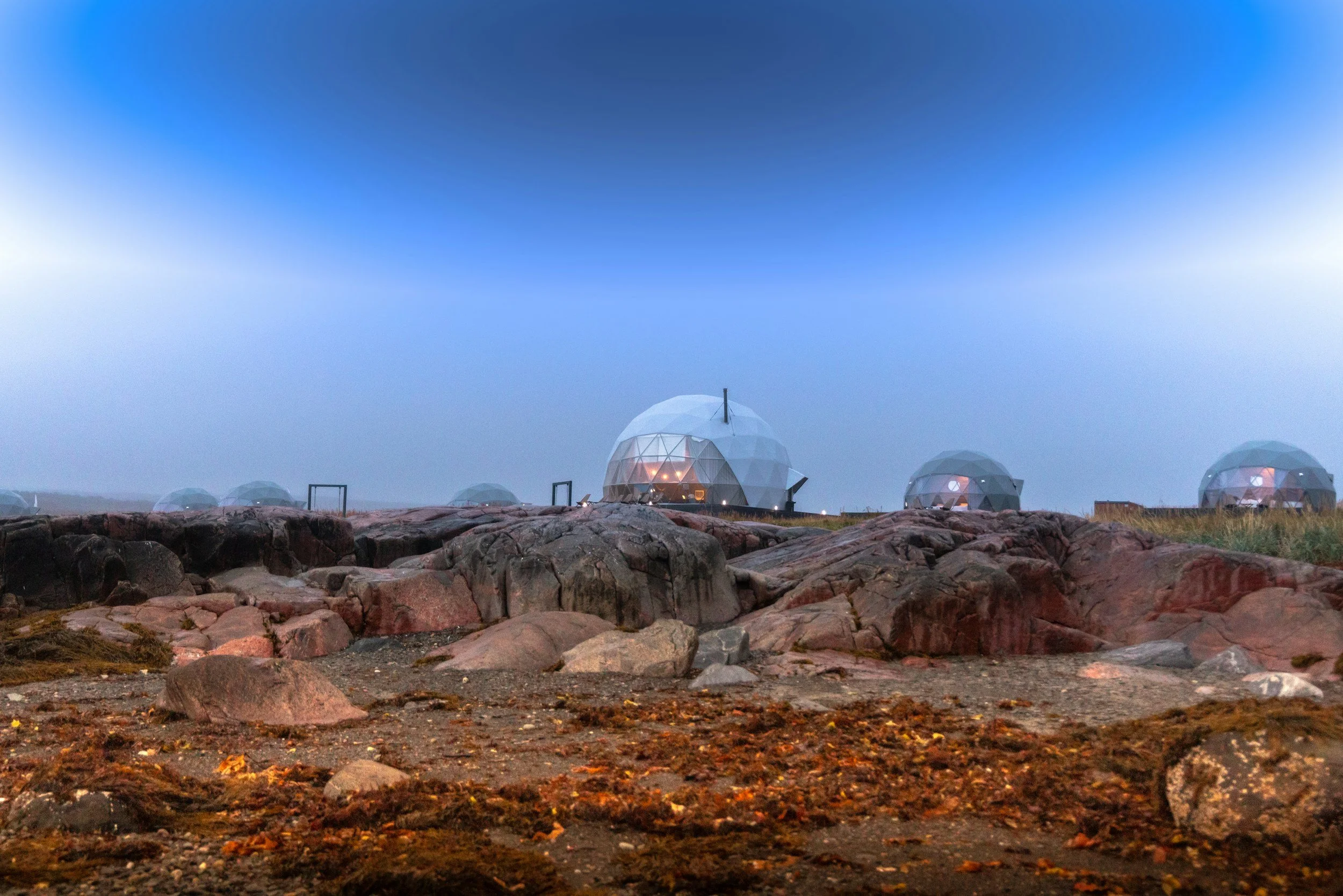
Unique structures like geodesic domes, glass cabins, and luxury yurts stand out in crowded feeds. Thoughtfully styled interiors and dramatic natural backdrops create highly shareable moments. For many travelers, these spaces offer the opportunity to capture and share experiences that feel both aspirational and authentic.
After all, there is a growing preference for experiences that feel distinct and worth remembering, places that offer a sense of story, not just accommodation. “Lore chasers” want good stories to tell (and show off online). Eighty-two percent of Millennials and Gen Zers, in particular, are likely to do something completely out of the ordinary if it makes for a good story.
The Experience Economy’s Impact
In these settings, the stay itself becomes central to the experience, rather than simply a place to return to at the end of the day. Today’s travelers are ever more intentional about where and why they’re traveling. They’re less interested in material luxury and more focused on meaningful experiences.
Authenticity is the priority. They want stays that feel special, memorable, and aligned with their personal values.
Glamping offers exactly that.
Large windows frame landscapes like living artwork. Open-air spaces and outdoor showers blur the lines between inside and outside. Natural materials such as wood, stone, linen create a sense of harmony.
It transforms accommodation into an experience in its own right. The stay is no longer just a place to sleep. Whether it’s stargazing from a transparent bubble tent, soaking in a freestanding tub overlooking a valley, or enjoying a curated outdoor dining setup, these moments become the highlights of a trip.
The Combination of Sustainability and Style
Many of these structures are designed with restraint, eco-conscious principles, smaller footprints, natural and locally sourced materials, low-impact construction methods, renewable energy sources, and systems that operate quietly within the environment. Together, these efforts reduce environmental impact while enhancing the sense of escape.
Importantly, sustainability is no longer seen as a limitation; it’s a design opportunity.
Architects and designers are finding innovative ways to create beautiful spaces that are also environmentally responsible. Solar panels, rainwater collection systems, and natural ventilation are seamlessly integrated into designs, often becoming part of the aesthetic itself.
Most of today’s travelers want to adventure sustainably, and nearly half are willing to pay more for certified sustainable options. Meanwhile, more than half of travelers cite concerns about overtourism as a factor influencing their destination choices over the next five to 10 years. That leaves many of them headed to offbeat places like environmentally conscious glamping sites out in the middle of nowhere.
The Bottom Line
What has emerged is a different standard of outdoor stay, one where design, setting, and experience are considered together. The result is not simply a place to stay, but a setting that shapes how the landscape is experienced.
Design-forward glamping brings together the best of two worlds: the tranquility of nature and the creativity and comfort of thoughtful design. In doing so, it creates spaces that feel both grounding and inspiring.
As travelers continue to prioritize meaningful experiences and aesthetic environments, it’s clear that this is more than just a passing trend. It’s a reflection of a deeper shift in how we want to explore the world… and how we want to feel while doing it.
And in that sense, design-forward glamping isn’t just changing where we stay. It’s changing how we experience travel altogether.