
Glamping vs. Hotels: A Real Comparison
Honest trade-offs between two very different ways to travel.
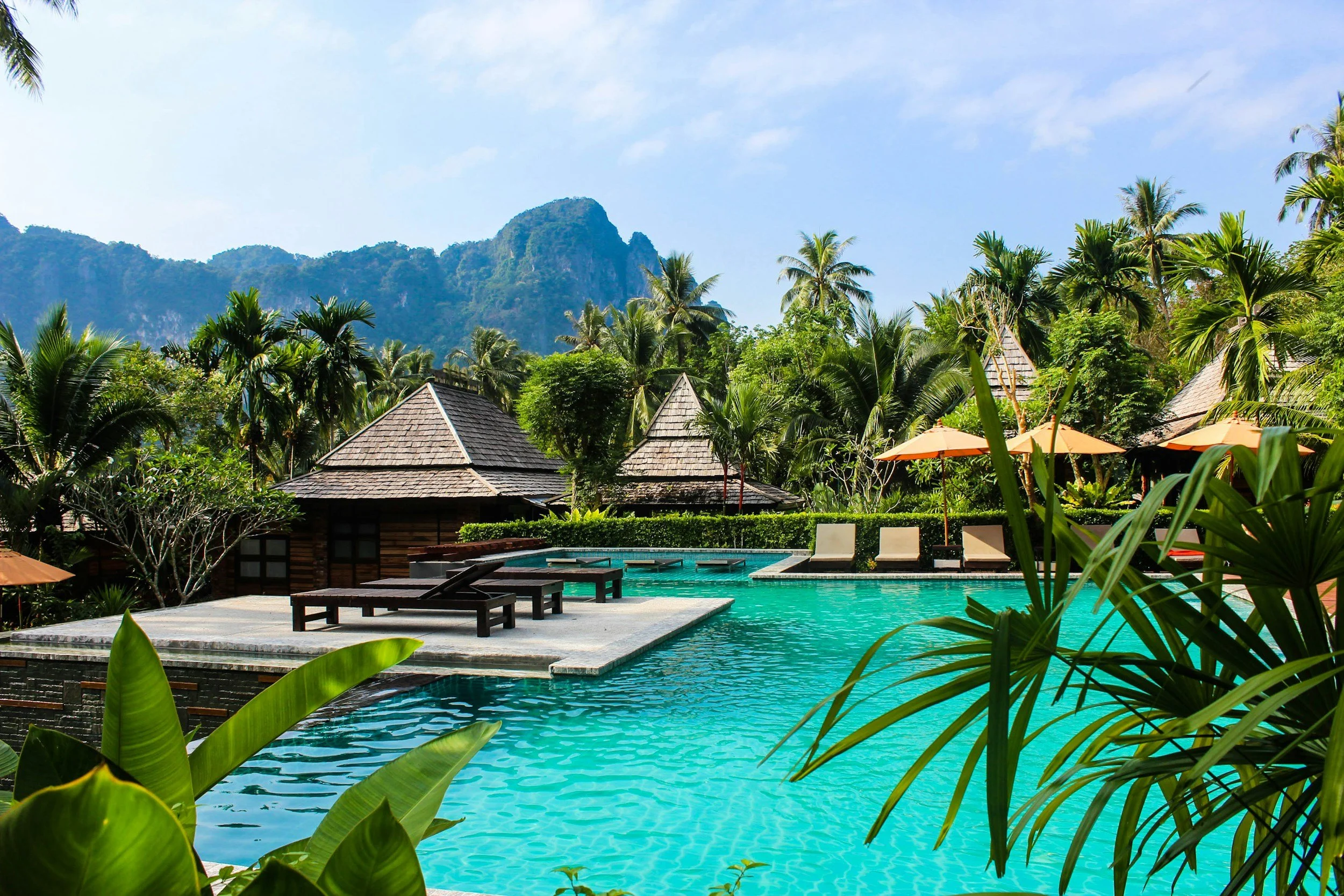
You are planning a trip. You have narrowed your choices to two: a luxury hotel or a luxury glamping property. The price is roughly similar. The location is roughly the same. The photos on both websites look beautiful.
What is actually different?
This guide breaks down the real trade-offs between staying at a hotel and staying at a glamping property. Not the marketing version. The version that helps you figure out which one fits the trip you actually want to take.
What Hotels Do Better
Hotels are not the obvious second choice. There are real reasons travelers have chosen hotels for a century, and most of those reasons still apply.
Hotels are predictable. When you book a Four Seasons or a Ritz-Carlton, you know within a small margin of error what you are going to get. The bed will be a certain quality. The bathroom will work. The service will be at a known standard. Hotels have spent decades refining consistency, and they deliver it.
Hotels handle weather. If it rains for three days, you are not stuck in a tent. You can sit in a lobby, eat at a restaurant, swim in an indoor pool, use a gym. Hotels make the weather less of a factor in your trip.
Hotels have infrastructure. Room service at 11 PM. A concierge to book a last-minute restaurant reservation. A spa. A business center. Reliable wifi. None of these are guaranteed at a glamping property.
Hotels are accessible. Most hotels are in cities or near major transportation hubs. Most glamping properties require driving, sometimes substantially. If your trip is built around urban exploration or short stays, a hotel is almost always the right call.
Hotels work for families with very young children. A baby that wakes up every two hours is easier to manage in a climate-controlled room with thick walls than in a canvas tent with neighbors twenty feet away. The flexibility of a hotel becomes more valuable the younger your children are.
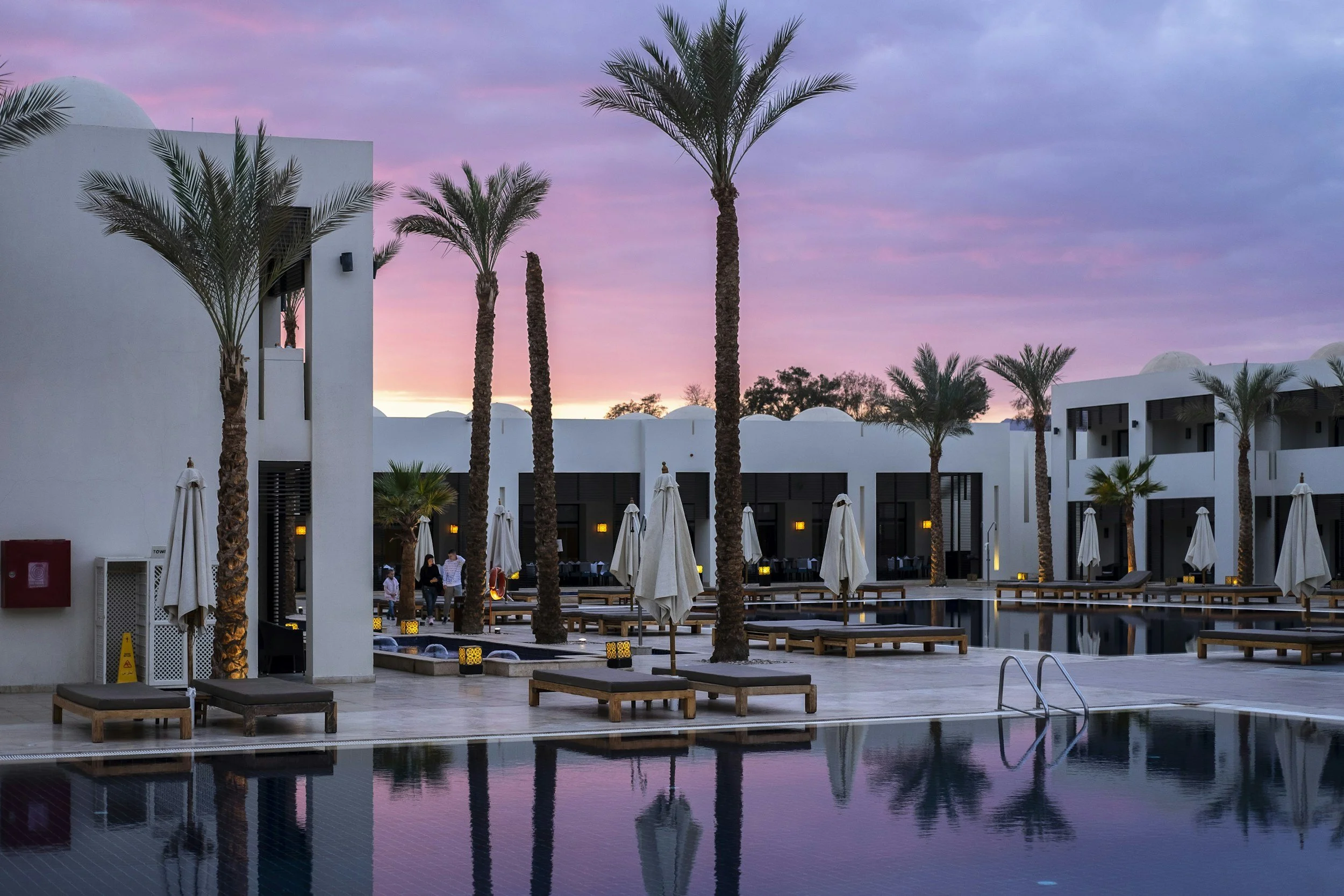
What Glamping Does Better
Glamping is not just a prettier version of a hotel. It delivers things hotels cannot.
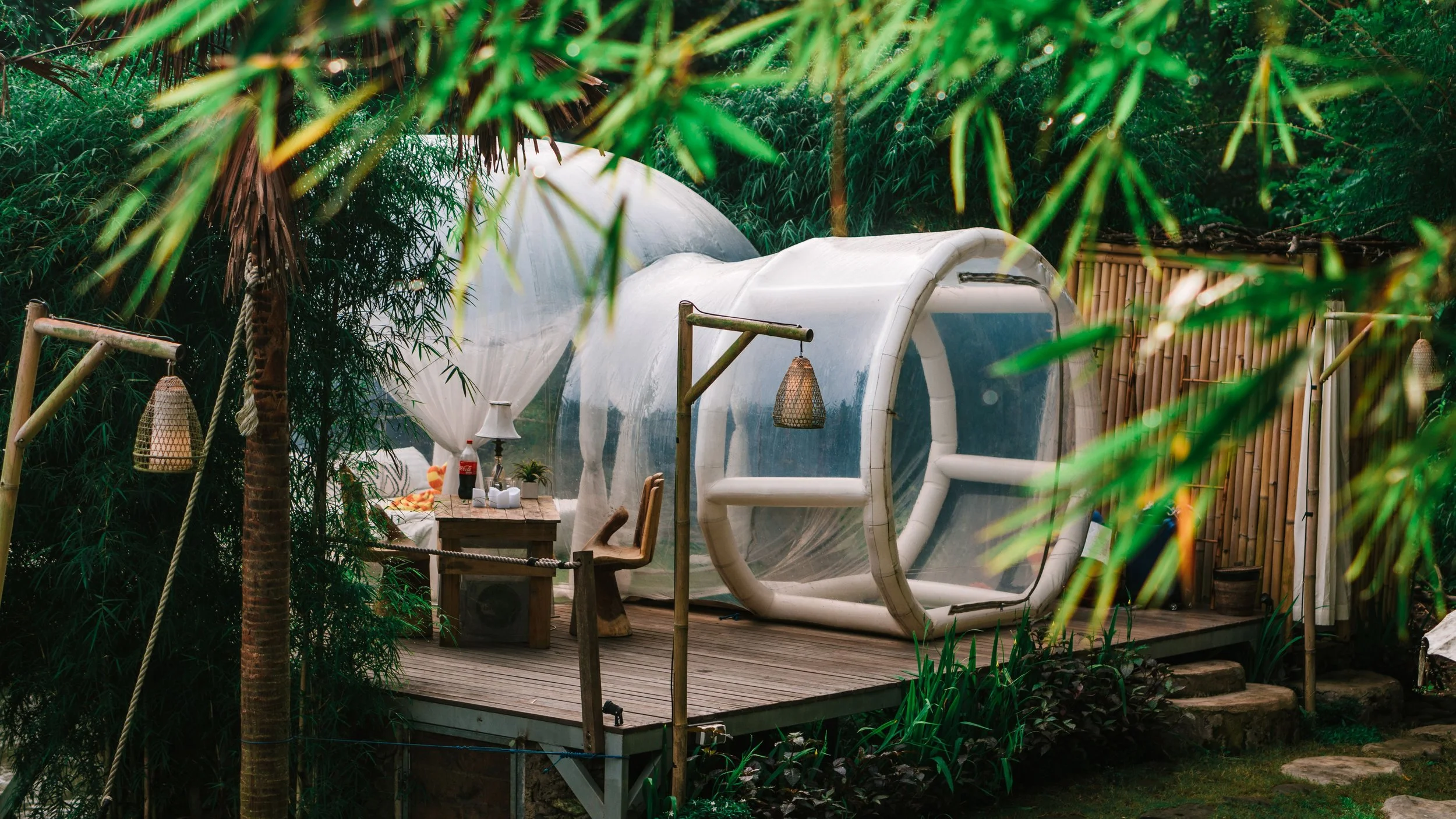
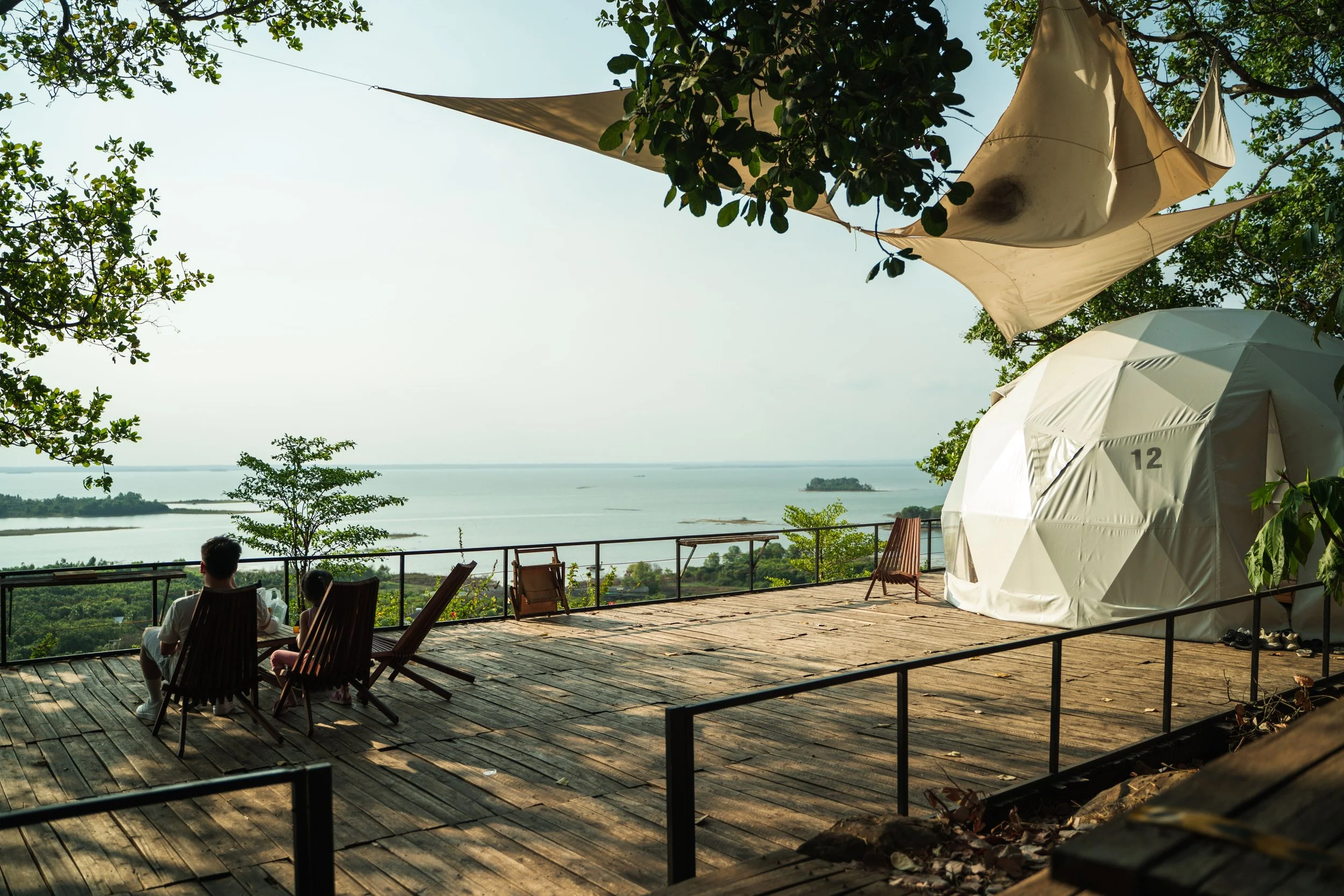
Glamping brings you into the landscape. This is the central trade. A hotel separates you from the place you came to see. Walls, hallways, lobbies, windows that do not open. A glamping property does the opposite. The canvas walls let in the sound of wind and rain. The deck opens to the view. You hear the birds in the morning and the wind shifting at night. You experience the place rather than visiting it.
Glamping properties are usually in landscapes hotels cannot reach. Most of the best glamping in the world sits on private reserves, near national parks, in landscapes where hotel development is restricted or impossible. If you want to wake up inside Torres del Paine National Park, EcoCamp Patagonia is the only option. If you want a tented camp inside the Kalahari, the Tswalu Loapi properties are one of the few options at that level. Hotels do not exist in most of these locations.
Glamping makes the trip the trip. A hotel is somewhere you sleep so you can do other things during the day. A glamping property is the trip. The property itself is the experience, not just the place where the experience starts and ends.
Glamping properties tend to be smaller. Most luxury glamping properties have 10 to 50 accommodations total. The biggest are around 200. This is a fraction of the size of a hotel, and it changes the feel of the stay. Staff remember your name. Other guests become familiar faces by the second day. The experience is more intimate.
Glamping makes you unplug. Most properties have limited or no wifi in the accommodations themselves. Some are deliberately off-grid. For travelers looking for an actual break from work and screens, the built-in disconnection is part of the appeal.
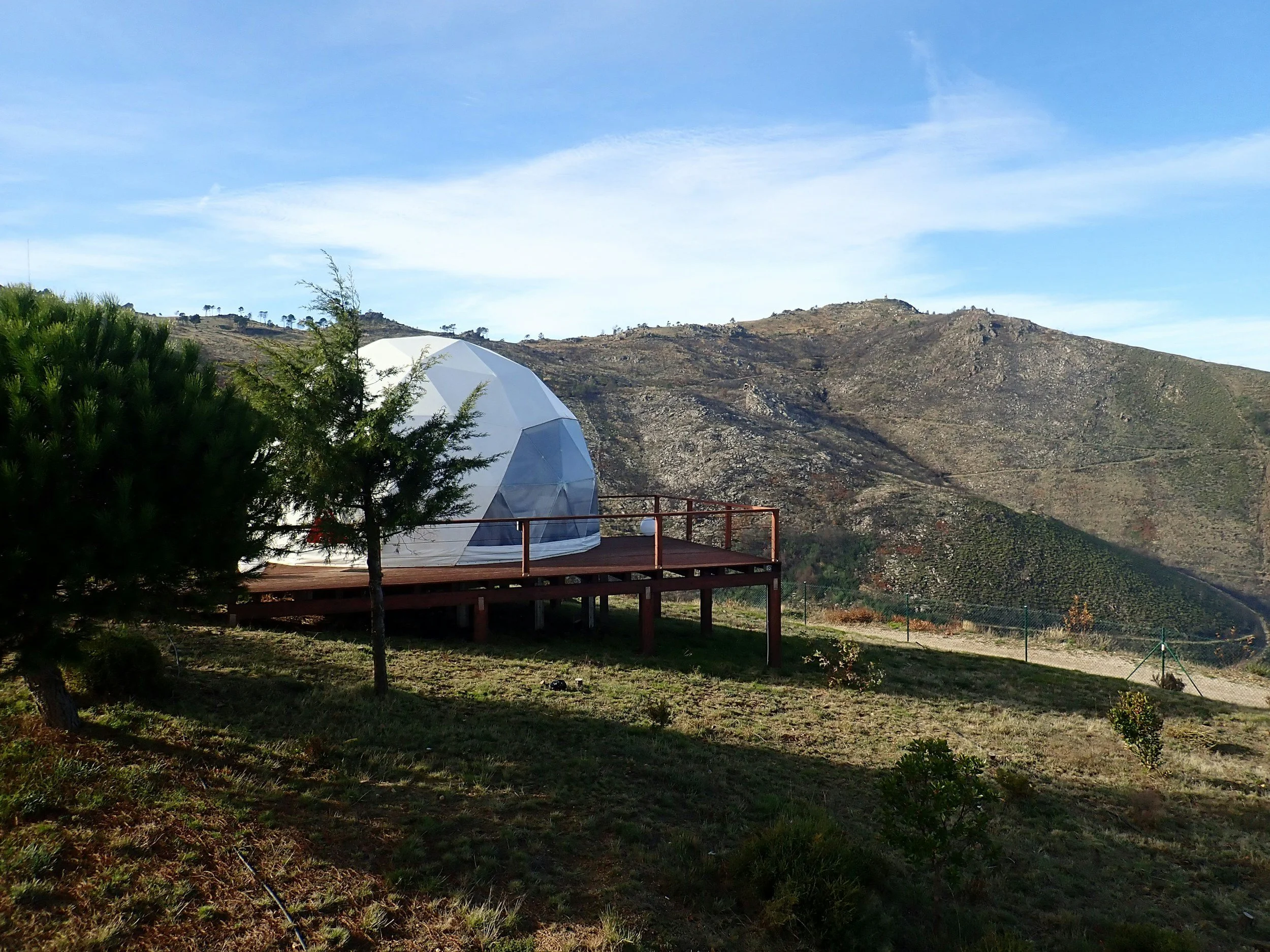
The Real Cost Comparison
A common misconception is that glamping is dramatically cheaper than a hotel. It is not.
At the luxury end, glamping is often more expensive than hotels in the same region. A night at Camp Sarika at Amangiri starts around $4,000. A night at the Aman New York starts in the same range. The Resort at Paws Up in Montana runs $2,000-$4,000 per night with all-inclusive pricing. A comparable luxury ranch hotel in Montana might run less.
The reason is the small footprint. Glamping properties cannot scale the way hotels can. A 200-room hotel spreads its operational costs across 200 paying rooms. A 20-tent glamping camp spreads similar costs across 20 paying tents. The per-room math is different, and it shows up in the rates.
At the more accessible end of glamping pricing, the math is more competitive with hotels. Under Canvas, AutoCamp, and similar properties typically run $185 to $400 per night, which puts them in the same range as a mid-tier hotel. At the budget end, glamping is often cheaper than a hotel of equivalent quality, particularly outside major cities.
The honest answer on price is that glamping and hotels are roughly comparable at every tier, with some variance based on location and inclusions. Glamping is not the budget option.
What's Usually Included
This is where the real comparison gets specific. Most hotels charge for almost everything beyond the room. Most glamping properties include more.
Hotels typically include: the room, sometimes breakfast (more often at boutique and luxury hotels than chains), internet, pool and gym access where applicable.
Hotels typically charge for: all meals beyond breakfast, activities, spa, bar, parking, wifi at chain hotels.
Glamping properties typically include: all meals at full-inclusive properties, many activities depending on the property, often a dedicated guide or naturalist, sometimes wine and beverages, sometimes transportation to and from a regional airport.
Glamping properties typically charge for: spa treatments, add-on excursions, wine and spirits at non-inclusive properties, premium upgrades.
The result is that the headline rate for a glamping property is often higher than a hotel, but the total trip cost can be similar or even lower. Worth comparing all-in costs rather than just nightly rates when you are deciding between two options.
When a Hotel is the Right Choice
Some trips genuinely call for a hotel rather than a glamping property.
If the destination is urban. Hotels are built for cities. Glamping is built for landscapes. If you are going to New York or Tokyo or London, a hotel is the right answer almost every time.
If the trip is short. A two-night trip often does not benefit from the slower rhythm a glamping property is designed for. By the time you arrive, settle in, and figure out the property, it is time to leave. Hotels handle short trips better.
If you are traveling with very young children. The flexibility, infrastructure, and predictability of a hotel matters more when the trip has to work around naps, nighttime feedings, and the unpredictable rhythm of a baby's schedule.
If the weather is uncertain. Hotels are weather-proof. Glamping properties, even at the high end, are not entirely. A property like Camp Sarika at Amangiri can handle a desert thunderstorm beautifully. A simpler safari tent in a wetter climate is less forgiving.
If you prioritize service infrastructure. Spa, concierge, in-room dining at 11 PM, business center, gym. Hotels deliver these things at a level glamping properties usually cannot match.
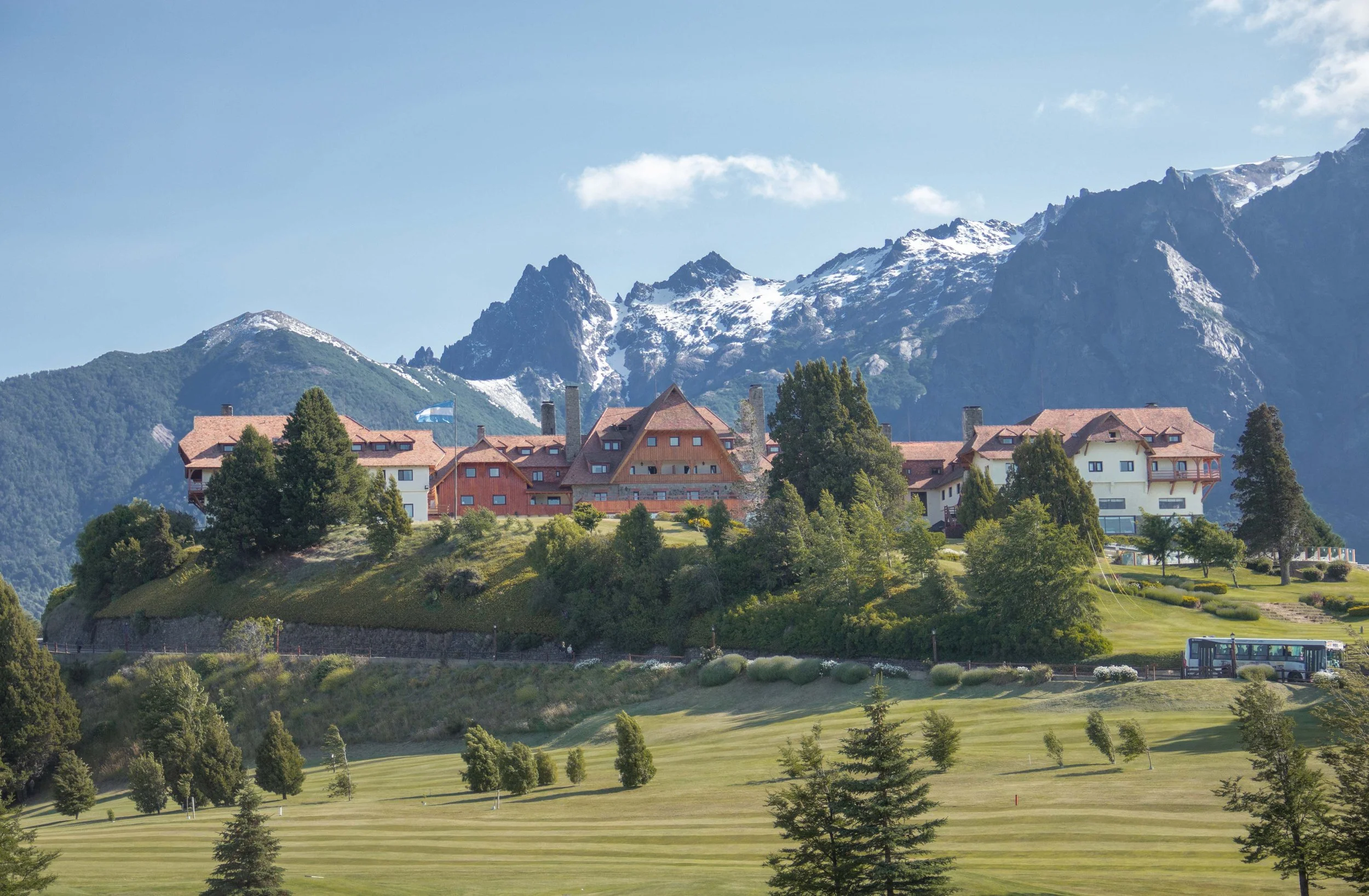
When Glamping is the Right Choice
Other trips are exactly what glamping was built for.
If the landscape is the destination. The Western US, the African savanna, Patagonia, the Costa Rican rainforest. Any trip where the point is the place itself, not the city you are sleeping in.
If you want to disconnect. Glamping properties naturally slow you down. No wifi, fewer screens, more time outside. If your actual goal is to come back from a trip feeling rested rather than tired, glamping does this better than hotels.
If you want a more memorable trip. Most travelers who have done both report that glamping trips are the ones they remember most vividly. The structures, the landscapes, the sense of being inside the place rather than next to it. Worth knowing about when you are choosing between two options of equivalent cost.
If you are celebrating something. Anniversaries, honeymoons, milestone birthdays. The intimacy and distinctiveness of a glamping property tends to make these trips feel more special than a hotel can.
If you want time in nature without giving up comfort. This is the original appeal of glamping, and it is still the strongest case for the category. You can sleep in a real bed, take a hot shower, and eat a real meal, while also waking up to the sound of wind in the trees.
A Few Specific Pairings Worth Considering
Some destinations genuinely work for both. Worth thinking about which option matches your trip.
Montana. A luxury Western hotel in Big Sky or Bozeman, or a glamping property like Paws Up. Both are excellent. The hotel will give you slightly more service infrastructure. The glamping property will give you a more immersive ranch experience.
Utah's Canyon Country. A hotel like Amangiri itself or its sister glamping property Camp Sarika. The hotel offers more amenities and a more conventional luxury experience. The tented camp offers smaller scale and a closer relationship to the landscape.
Costa Rica. A boutique eco-hotel like the Four Seasons Papagayo or a glamping eco-lodge like Lapa Rios. The hotel will be on the developed Pacific Coast with full hotel infrastructure. The lodge will be on the remote Osa Peninsula with wildlife and rainforest immersion.
Tanzania or Kenya. A traditional safari lodge or a luxury tented camp like &Beyond's Sandibe in the Okavango Delta. The lodge gives you more amenities and a more conventional experience. The tented camp gives you the original safari format that hotels were built to replicate.
The Honest Bottom Line
If you have to choose between a hotel and a glamping property for the same trip, ask yourself one question.
What do you want the main memory of the trip to be? The room you slept in, or the place you slept inside?
If the answer is the room, book the hotel. They are usually better at what they do.
If the answer is the place, book the glamping property. It is what the category exists for.
Both kinds of trips are legitimate. Both are worth taking. They just deliver different things, and the best version of either one is the version where the choice matches the trip.
If you are still figuring out which kind of glamping property fits your trip, the full Glamp Life Magazine guide library is at glamplifemagazine.com.