
The Best Time of Year to Go Glamping
When to book, where to go, and what to expect through every season.
The most common question new glampers ask is when to go. The honest answer is that there is no single best time. There is a best time for each destination, a best time for each kind of trip, and a best time for each kind of traveler.
This guide breaks down what each season offers across the major glamping regions, what to expect, and how to choose the right window for the trip you actually want to take.
Spring (March through May)
Spring is one of the most overlooked seasons for glamping, and that is part of what makes it good.
What spring does well. Wildflowers, baby animals, lower rates, fewer crowds. Most luxury glamping properties reopen in April or May after a winter closure, and the rates in those first few weeks of the season are often the best you will see all year. Wildlife viewing in spring is especially strong in the American West and African regions, when newborn animals are visible and predator activity is high.
What spring does not do well. Weather is unpredictable. A trip planned for late April in Utah might mean 75 degrees and clear skies, or it might mean a snowstorm. Many high-elevation properties (the Mountain West, the Andes, the Alps) are still closed in March and early April. Spring is the wettest season in much of Costa Rica, the Pacific Northwest, and parts of Europe.
The best spring destinations.
The American Southwest. Spring is the best season for Utah, Arizona, and New Mexico. Daytime temperatures are warm but not extreme, the wildflowers are out, and the desert landscape feels alive in a way that the summer heat erases. Camp Sarika at Amangiri, ULUM Moab, Capitol Reef Resort, and Shash Diné EcoRetreat all open up beautifully in spring.
The Texas Hill Country. Bluebonnets peak in April. Sinya on Lone Man Creek is at its best in early spring.
Patagonia. The Southern Hemisphere spring (October and November) is the start of the Patagonian season. EcoCamp Patagonia and the other Torres del Paine properties open up with daylight stretching to nearly 18 hours.
Botswana and the Okavango Delta. The dry season ramps up in spring in southern Africa. Animals concentrate around remaining water sources. This is the start of one of the best wildlife viewing windows of the year.
Summer (June through August)
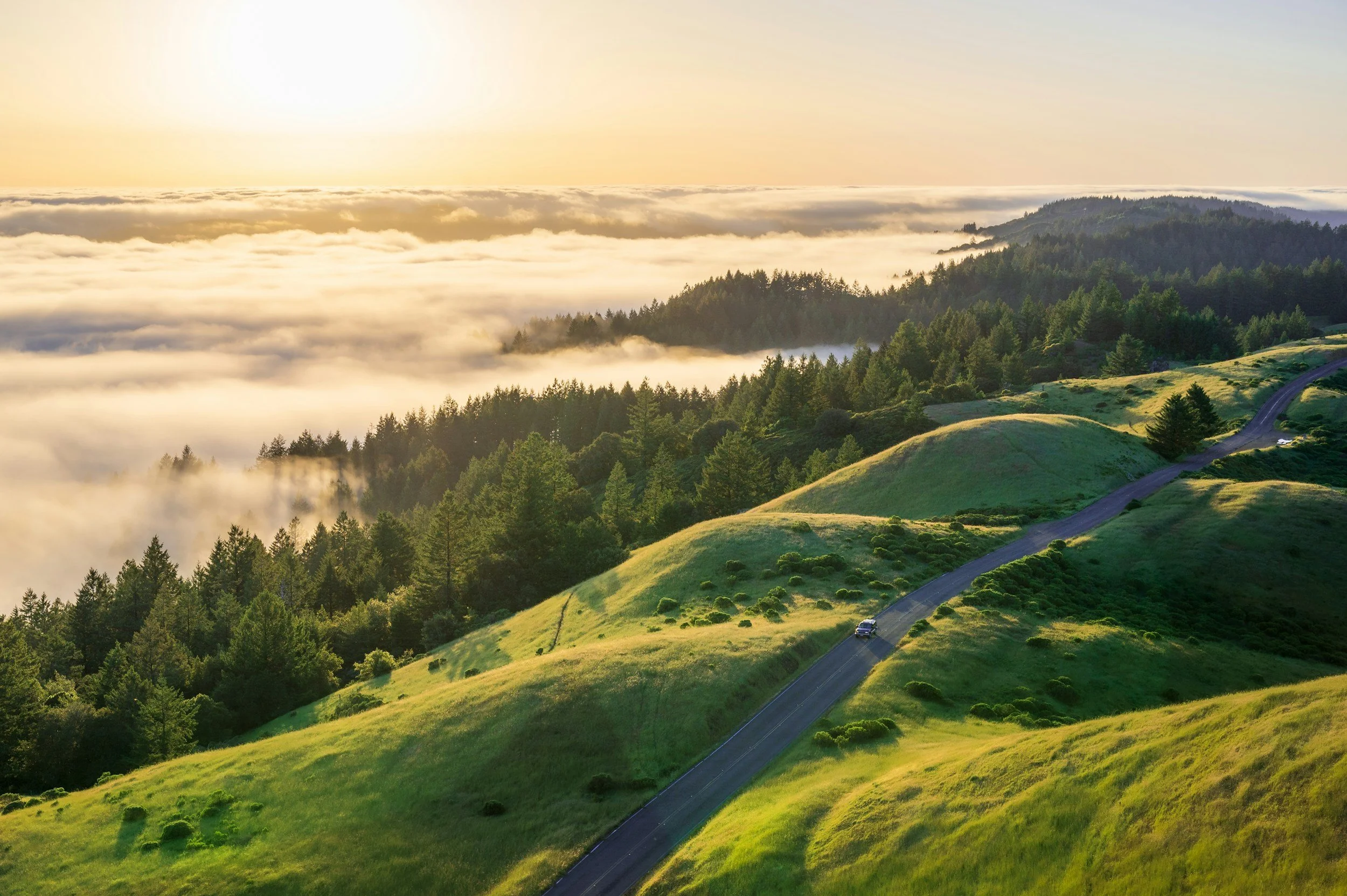
Summer is the busiest, most expensive, and in many cases most rewarding season for glamping in the Northern Hemisphere. It is also where the largest crowds gather and where prices peak.
What summer does well. Most properties are open. Daylight is long. Weather is reliably warm in most regions. Activities are at their fullest, with guided hikes, lake swimming, fly fishing, and outdoor dining all in season.
What summer does not do well. Crowds. National parks are at their most visited. Rates are at their highest. Some regions, particularly the American desert Southwest, become too hot to be comfortable. Wildfires have become an increasing factor in the American West, with some properties closing or limiting access during peak fire season.
The best summer destinations.
The Mountain West. Montana, Wyoming, Colorado, and the high-elevation parts of Idaho and the Dakotas are at their peak. Paws Up, The Green O, Magee Homestead in Wyoming, Royal Gorge Cabins in Colorado, and Dunton River Camp all run their full programs in summer.
The Pacific Northwest. Oregon and Washington summers are dry, mild, and stunning. Snow Peak Long Beach in Washington, the Japanese onsen-inspired property that opened in 2024, runs its peak season in summer. The properties around the Olympic Peninsula, the Columbia River Gorge, and the coastal mountains all benefit from a short, perfect window.
The Northeast and New England. Maine, Vermont, New Hampshire, and the Adirondacks are at their best in July and August. Huttopia White Mountains, Sandy Pines Campground in Maine, The Domes at Catskills, and various smaller New England properties all run their main season.
Northern Europe. Scotland, Iceland, the Faroe Islands, Norway, and the rest of the Nordics. Summer is the only really viable glamping season in this region, with daylight stretching through the night in some locations.
Fall (September through November)
Fall may be the single best season for glamping across the largest range of destinations. The weather is cooling but still pleasant, the crowds thin out, and most properties are still open.
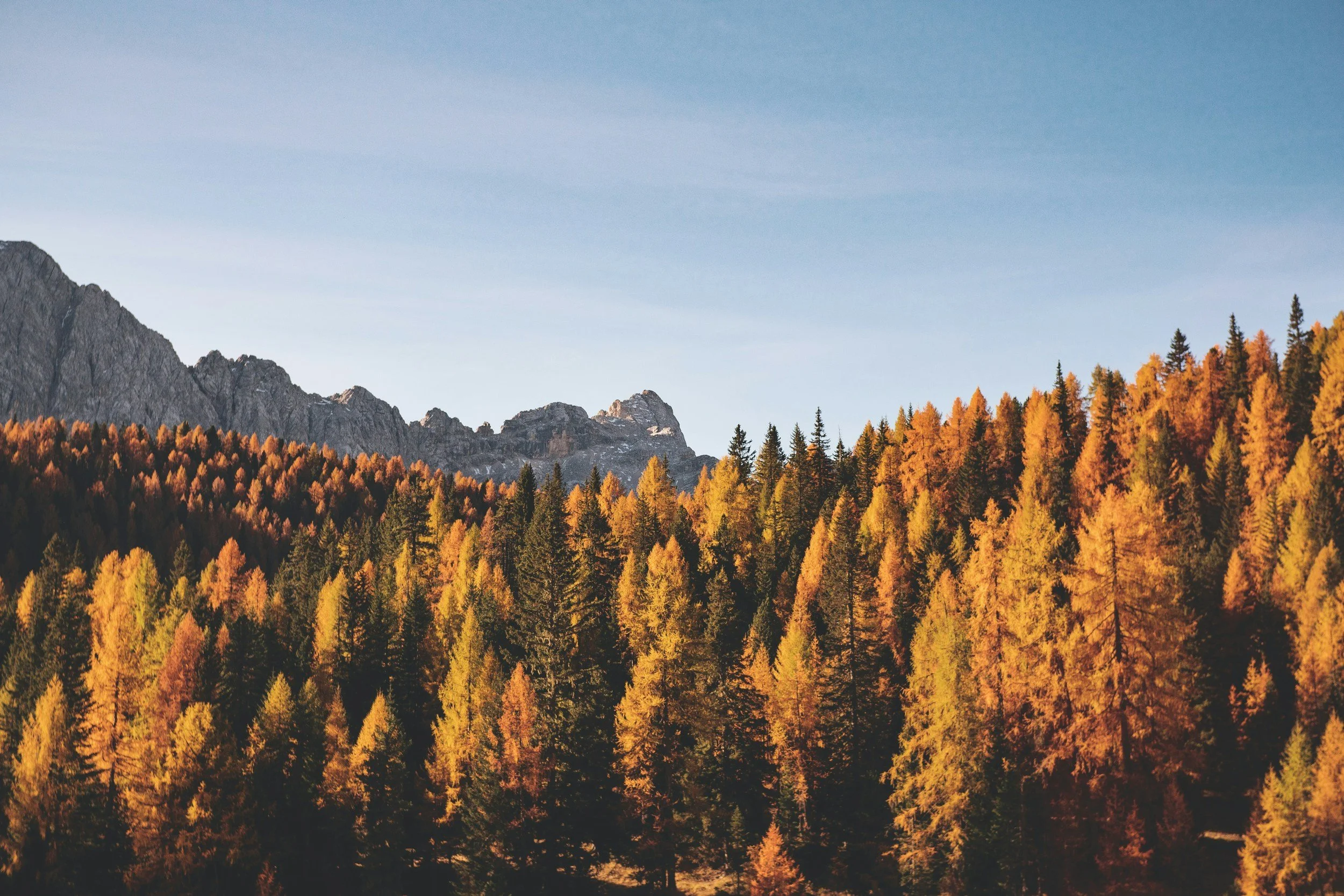
What fall does well. Shoulder season rates start in September at most properties. Crowds drop substantially after Labor Day in the US and after the European school summer break. Wildlife viewing in many regions is at its peak. Foliage in the American Northeast, parts of the American West, and Europe is genuinely worth a trip for.
What fall does not do well. Some properties close in late September or October, particularly in the Mountain West and the Northeast. Weather becomes more unpredictable as you move into November. In some regions, the shoulder rates come with shoulder weather.
The best fall destinations.
The American Northeast. Late September through mid-October is foliage season in Vermont, New Hampshire, Maine, the Adirondacks, and the Catskills. Firelight Camps, Huttopia White Mountains, and The Domes at Catskills all benefit from one of the most photogenic windows of the year.
The American Southwest. Fall is the second-best season for Utah, Arizona, and New Mexico, after spring. The summer heat breaks, the crowds thin, and the desert returns to a more pleasant temperature range.
The Mountain West. September is a particularly good month for Montana and Wyoming. Yellowstone wildlife viewing is at its peak as animals prepare for winter. The aspens turn yellow in late September across Colorado and the Rockies.
The Mediterranean. The Greek islands, the Italian coast, the Croatian Adriatic, and the Portuguese Algarve all benefit from fewer crowds and milder weather in September and October. Mediterranean glamping properties run well into November in most years.
Southern Africa. The start of the southern fall (April and May) is one of the best wildlife viewing windows in the year for South Africa, Botswana, and Zambia.
Winter (December through February)
Winter is the most overlooked glamping season in the United States, but it is one of the most distinctive globally.
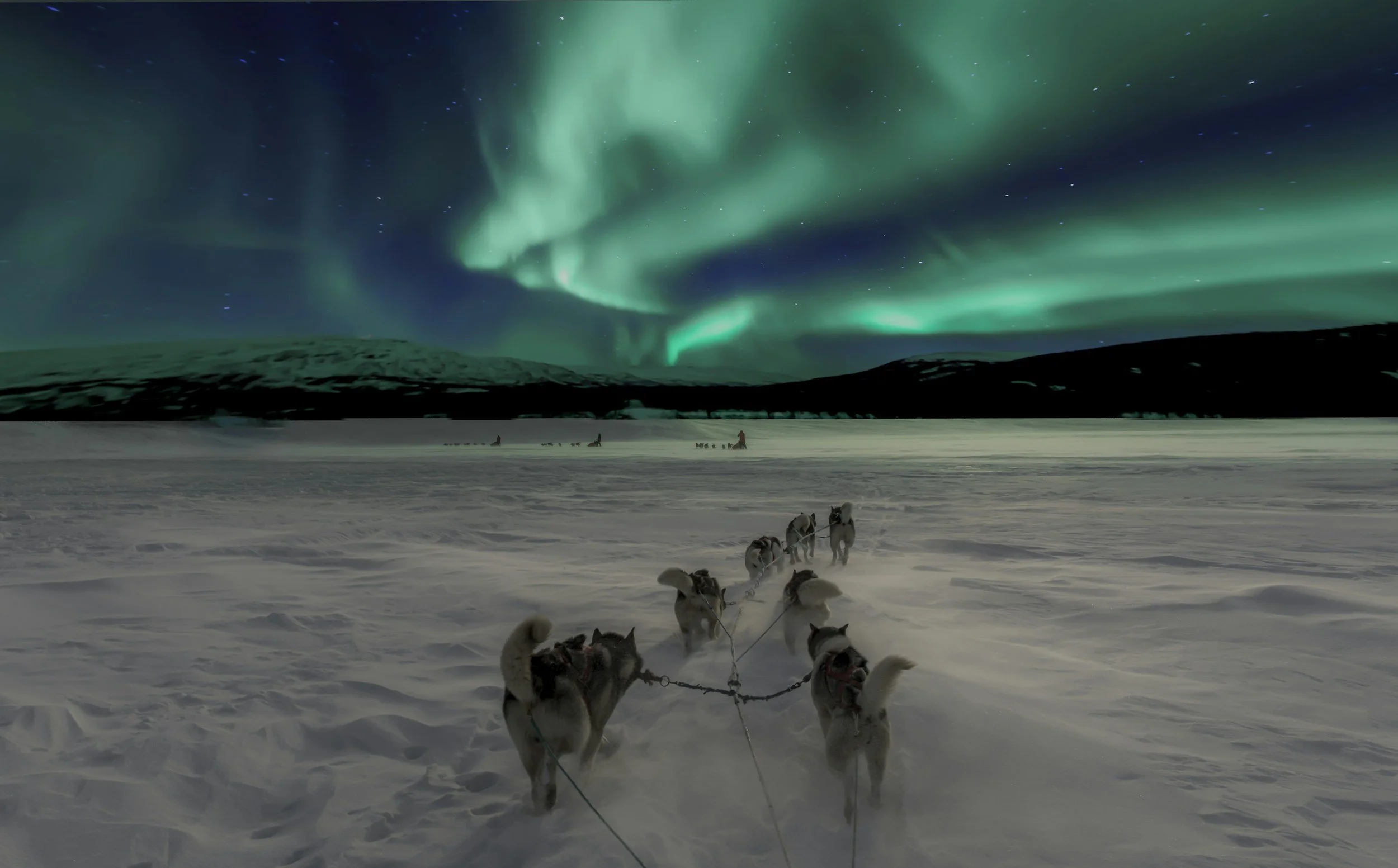
What winter does well. Snow landscapes, Northern Lights viewing, hot tub culture, intimate properties at their quietest. The properties that operate in winter tend to lean fully into the season, with fireplaces, hot tubs, snowshoeing, dog sledding, and aurora viewing all part of the experience.
What winter does not do well. Most US glamping properties are closed. The Mountain West, the Northeast, and most of the Midwest go dark from November to April. Winter glamping is mostly a global category rather than a US one.
The best winter destinations.
The American Southwest. Utah, Arizona, and the lower elevations of New Mexico offer some of the best winter weather in the US. Camp Sarika at Amangiri runs through winter.
Iceland and the Nordics. Winter is aurora season. Geodesic dome properties, glass cabins, and other purpose-built aurora-viewing accommodations are at their peak from November through February. Buubble Iceland, Aurora Hut by GLØD Adventures, and various Lapland glamping camps run their full programs in winter.
The Australian Outback. December through February is summer in the Southern Hemisphere, but at higher elevation and in the desert interior, the weather is genuinely pleasant. Longitude 131 near Uluru runs year-round.
East Africa. The dry season in Kenya and Tanzania falls in the Northern Hemisphere winter (December through February), which makes this one of the best windows for safari travel. Most luxury safari camps in the Serengeti, the Maasai Mara, and surrounding regions operate full programs.
India and Rajasthan. Winter is the only sensible season to travel to Rajasthan and most of Central India. The summer heat is genuinely dangerous; the winter weather is mild and pleasant. Aman-i-Khás and the various Rajasthani luxury tented camps run from October through April.
The Shoulder Seasons (Why They Often Matter Most)
The two shoulder seasons (the transition from spring to summer and the transition from summer to fall) deserve their own paragraph.
The shoulder seasons offer the best combination of good weather, lower rates, fewer crowds, and full property availability. May and September are the two strongest single months for glamping in most Northern Hemisphere destinations. Late April and early October are close seconds.
If you are flexible on dates, the shoulder seasons are almost always the right answer. The trade-off is small (slightly less reliable weather) and the benefits are substantial (fewer people, lower rates, better service, more relaxed properties).
The most experienced travelers and the best operators in glamping have been quietly making this trade for years. The people who know the category best book in May and September.
How to Match Season to Trip Type
A different way to think about timing.
For a first-time glamping trip, book in late spring or early fall. The weather is reliable, the rates are reasonable, and most properties are running at less than peak capacity, which means better service and more individual attention.
For a wildlife-focused trip, the season matters more than the destination. Spring and fall are generally the best wildlife viewing windows in most regions. Specific destinations have specific windows worth researching.
For a romantic trip, the shoulder seasons are nearly always the right answer. May and September deliver the highest combination of weather quality, intimacy, and value.
For a family trip, summer is usually the default because of school schedules. If you have the flexibility to travel outside school summer, fall break (early October) is the best alternative.
For a winter escape, the warm-weather destinations are the answer. Costa Rica, Mexico, the Caribbean, southern Africa, India, and Southeast Asia are all in their dry season during the Northern Hemisphere winter.
For an aurora viewing trip, plan for late September through March. Pick a destination above the Arctic Circle (Norway, Sweden, Finland, Iceland, parts of Canada and Alaska). Build in extra nights, because the aurora is unpredictable and you want multiple chances to see it.
The Honest Bottom Line
If you are trying to pick a single season for a glamping trip and have flexibility, pick September. It is the best month for the largest number of destinations, the rates are usually better than peak summer, and the weather is reliably good without being extreme.
If September does not work, May is the strong second choice for similar reasons.
If you are tied to a specific season because of work or family schedules, match the season to a region that is at its best in that window. Summer in the Mountain West. Fall in the American Northeast. Winter in the Southwest or East Africa. Spring in the Texas Hill Country or southern Africa.
The best glamping trips happen when the weather, the property, and the landscape are all working in your favor. Picking the right season is most of the work.
If you are still figuring out which destination to choose for the season you are planning, the full Glamp Life Magazine library has destination guides and seasonal recommendations at glamplifemagazine.com.