
The Cloud Forests of Costa Rica: Why the Country Became a Glamping Capital
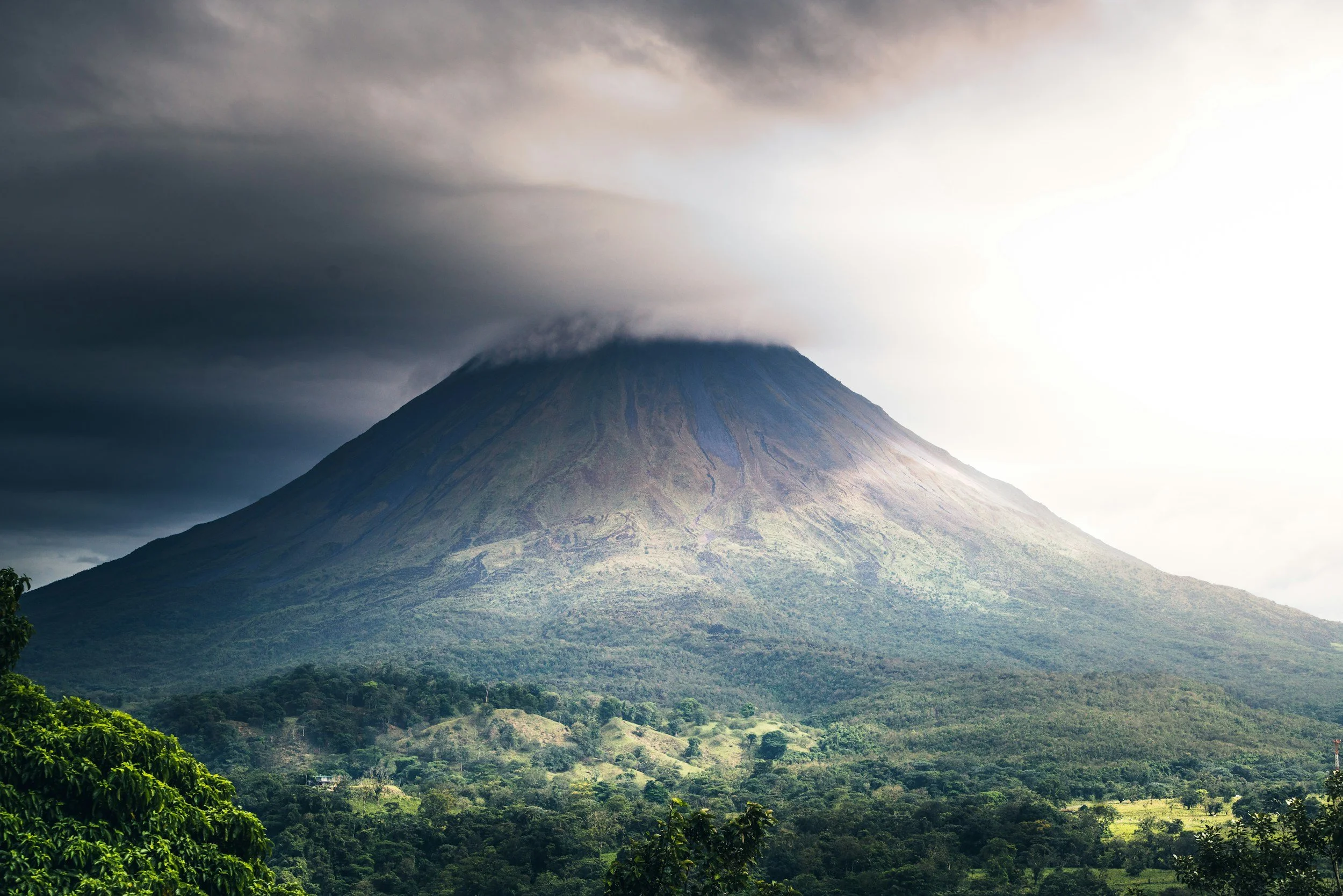
How a small Central American country became one of the world's most considered destinations for design-forward outdoor stays.
Most countries do not protect a quarter of their land. Costa Rica does.
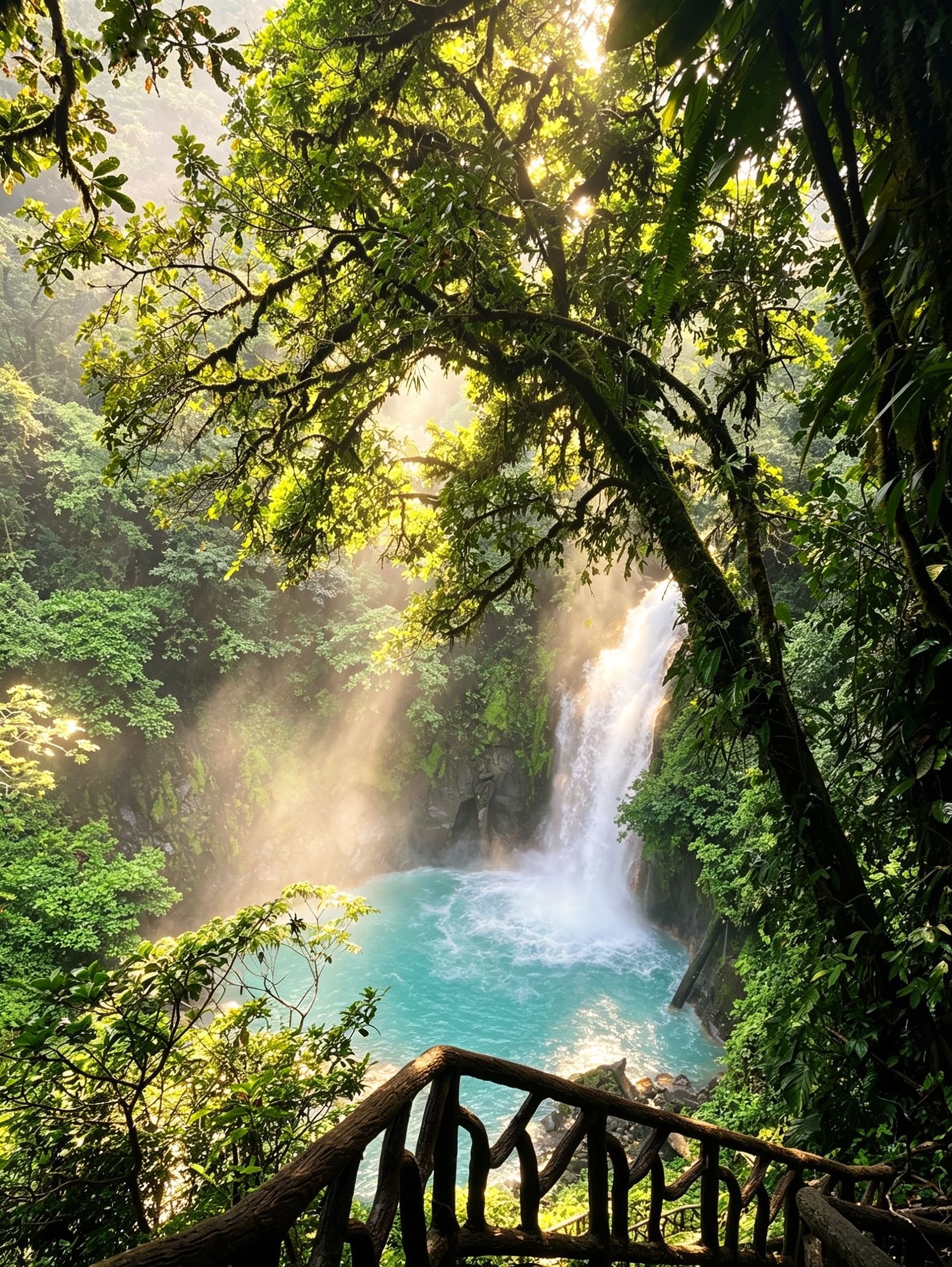
That single fact is the closest thing to an explanation for why Costa Rica has become one of the world's top glamping destinations. About 28% of the country is set aside as national parks, biological reserves, and protected landscape. That is one of the highest percentages of any country in the world, and the result is a country where most of the territory still looks the way it has looked for thousands of years.
When you build a glamping property in that kind of landscape, the landscape does most of the work.
So where does that leave the glamping traveler? Costa Rica has a long history of eco-lodges, which are excellent in their own right. What we are looking at here is the smaller, distinct category of properties that bring guests into the landscape through canvas walls and elevated platforms. Tents. Treehouses. Structures built to bring you closer to the rainforest rather than to wall it off.
Why Costa Rica Works So Well
Three things make Costa Rica a strong destination for glamping travelers.
The first is the protected landscape. The 28% of land that is protected includes some of the most biodiverse regions on Earth. The Osa Peninsula alone is one of the most biologically intense places on the planet, according to National Geographic. That density of wildlife and plant life makes even a single morning on a tent platform feel different from anything you can experience in most of the world.
The second is the country's commitment to eco-tourism as an industry. Costa Rica essentially invented the modern eco-tourism category in the 1970s and 1980s, when it began establishing the protected areas that now define the country. The hospitality operators that grew up around those parks have had decades to refine what sustainable luxury actually looks like.
The third is the architecture. Costa Rican glamping properties tend to be built from local materials by local craftspeople, and the structures themselves often disappear into the surrounding rainforest in ways that feel intentional rather than incidental. You stay in places that look like they grew there.
The Arenal Volcano Region
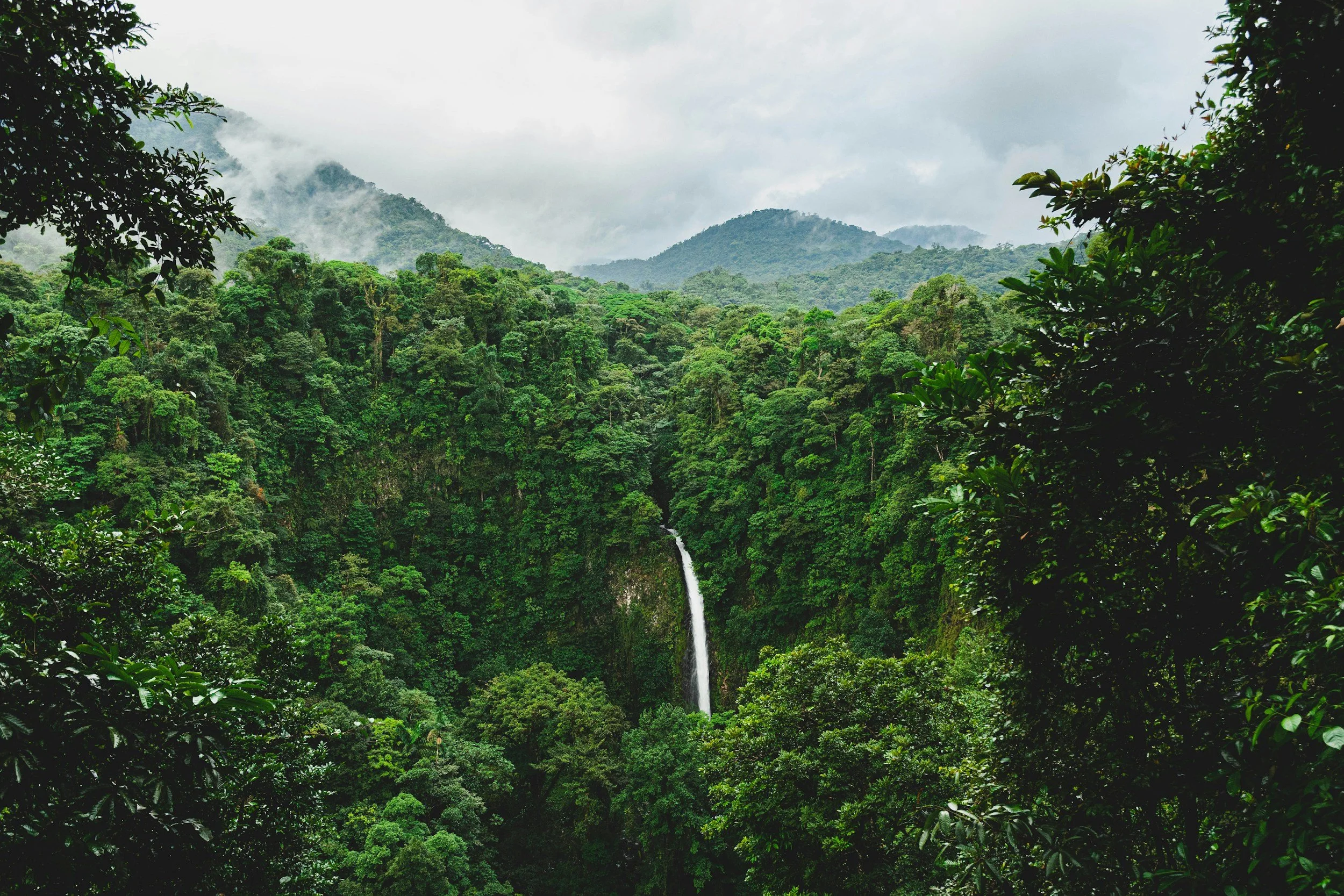
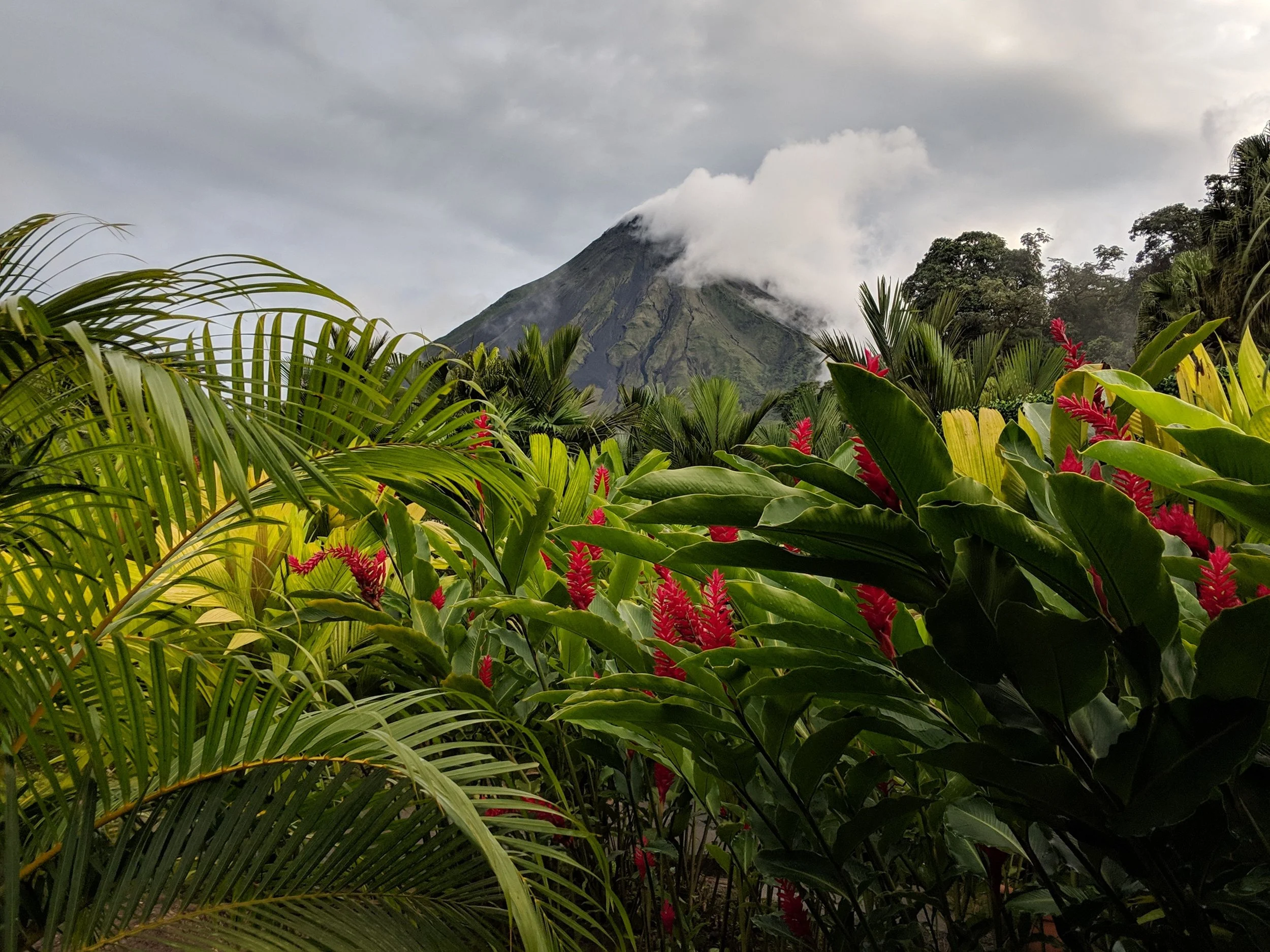
The active volcano at the center of this region used to define the entire travel experience here. Eruptions of glowing rock at night were the main attraction for decades. Volcanic activity has been quieter since 2010, but the region remains one of the most visited parts of Costa Rica, with hot springs, hanging bridges, and rainforest access all within easy reach of the small town of La Fortuna.
Nayara Tented Camp, Arenal Volcano
Nayara Tented Camp sits 15 minutes northwest of La Fortuna, on a hillside inside Arenal Volcano National Park. The camp is the youngest of three Nayara properties on the same 62-acre stretch of rainforest, and the only one that fits the design-forward glamping category.
Roughly 30 tents in total. Each one is raised on stilts to limit the property's footprint, with hardwood platforms, canvas walls, and four-poster beds under canopies. Every tent has a private terrace, an outdoor shower, and a plunge pool fed by natural mineral hot springs. Views face Arenal Volcano directly.
The architectural cue came from luxury safari camps in Africa and Asia. Owner Leo Ghitis brought the form to Central America with a clear ecological mandate. The property was built on former cattle pasture, and Nayara has since reforested the land with thousands of Cecropia and Guarumo trees. Sloths returned. More than 15 now live on the property full-time.
A few details worth knowing. The Ayla restaurant runs a Mediterranean menu rather than a Costa Rican one. The open-air spa offers treatments with the rainforest as the only soundscape. Six thermal pools at the lower edge of the property sit immersed in dense forest, fed by the same mineral springs that fill the in-tent plunge pools.
The Southern Zone
The southern part of Costa Rica is less developed than the Pacific coast around Manuel Antonio or the Guanacaste region. It is also where two of the country's most distinctive glamping properties sit.
Kinkára Luxury Retreat, San Isidro de El General
Kinkára sits 90 miles south of San José, on 800 acres of rolling hills at the foot of Mount Chirripó, the country's tallest peak. The property is part of the Cayuga Collection of sustainable resorts and opened in 2018.
Thirty-one Lotus Belle tents arranged across three villages, each tent crafted with hardwood furniture, organic cotton linens, and full-height roofs that let you stand upright. Solar-powered lighting, USB charging stations, and Wi-Fi in every tent. Bathhouses are shared rather than en-suite, with rainfall showers and locally sourced amenities, which is a deliberate choice to keep the footprint small.
The property is built around a Mandala Garden with 400 plant species, a 10,000-tree food forest, tilapia ponds, and free-range chickens. Chef Kuntal Kumar, an Ayurveda specialist, sources almost all ingredients from the property itself. Kombucha is brewed on-site. Juices are pressed fresh.
Beyond the tents, the property includes a waterfall, natural swimming holes, hiking and horseback riding trails, an open-air movement pavilion for yoga, and a temazcal-inspired sweat lodge. Cacao ceremonies and sound healing sessions are part of the program. The wellness register is what makes Kinkára distinct from the volcano-and-rainforest energy of Arenal.
Finca Bellavista, Piedras Blancas
Finca Bellavista is a treehouse community spread across 600 acres of protected rainforest in the mountains above Golfito, in Costa Rica's southern Pacific coastal region. Founded in 2007 by Mateo and Erica Hogan to rescue 62 acres that had been marketed as a timber harvest site, the property has grown into one of the most distinctive treehouse experiences in the world.
The treehouses are individually owned and varied in design. Some are supported by stilts. Some are built directly into the trees. Some sit beside the Rio Bellavista with private swimming holes. All are connected by hiking trails, suspension bridges, and ziplines through the canopy. About 14 are available for nightly rental.
The community runs off-grid. Solar power. Rainwater capture. Bio-digesters for waste. An on-site organic garden supplies most produce, and the central base camp area provides shared dining, a coffee lounge, and an open-air rancho for yoga and gathering.
This is the most rustic glamping property in Costa Rica. Guests should expect a genuine off-grid experience rather than a polished luxury one. Bring bug spray. Bring an open mind. For travelers who want the rainforest as immersively as possible without giving up shelter, this is the experience in the country.
The Nicoya Peninsula and the Pacific Coast
The Nicoya Peninsula on the central Pacific coast is where Costa Rica meets the beach. It is also home to two strong glamping properties.
Kintiri Glamping, Nicoya
Kintiri sits in the hills above Nicoya on the Guanacaste coast, with the Pacific Ocean visible from the upper terrace and Mount Chirripó in the distance. Adults-only, six accommodations total, billed as one of the most boutique entries in Costa Rica's glamping category.
The structures are geodesic domes rather than tents, which sets the property apart from most Costa Rican glamping. Each dome has air conditioning, a private bathroom with a spa bathtub and a separate shower, a mini-bar, and a balcony with mountain or sea views. Some domes include private jacuzzis on the balcony.
The on-site Casa Bulú restaurant serves local and Latin American cuisine with strong vegetarian and vegan options, available for lunch, dinner, and high tea. Breakfast can be served in-room. A coffee shop and bar round out the food program. Sauna, hot tub, sun terrace, and a swimming pool with panoramic views.
What makes Kintiri specific is the scale. Six rooms means staff can deliver a level of service most larger properties cannot. The Instagram audience and consistent five-star guest reviews suggest the operation is mature despite the small footprint. Pet-friendly, which is rare in the category.
Isla Chiquita Glamping Resort, Gulf of Nicoya
Isla Chiquita is the only island glamping property in Costa Rica. Set on Isla Jesusita, a small private island in the Gulf of Nicoya, with access by boat from Punta Cuchillos or the Paquera Ferry. Roughly 18 tented suites total, tiered across the hillside.
Each tent is raised on a wooden platform with a private deck, en-suite bathroom, king bed, and ocean view. The Premium Ocean View Tents include private plunge pools. The Master Sunset Suite sits at the top of the island with 360-degree views, its own plunge pool, and a Palapa terrace. Most tents rely on ceiling fans and the island breeze rather than air conditioning, though some Premium tents have AC.
The property is small enough to walk in 20 minutes. Trails cross the interior. Hidden beaches sit at the edges. Howler monkeys, scarlet macaws, and tropical birds are everywhere on the property. Kayaks and paddleboards are complimentary. The bioluminescent waters at night and the fishing bats are local-specific draws.
The on-site restaurant focuses on ocean-to-table seafood with strong vegetarian options. Founded by Mary Anne Zurcher in tribute to her aunt's hospitality legacy, the property has a personal feel that larger resorts cannot match.
The Osa Peninsula
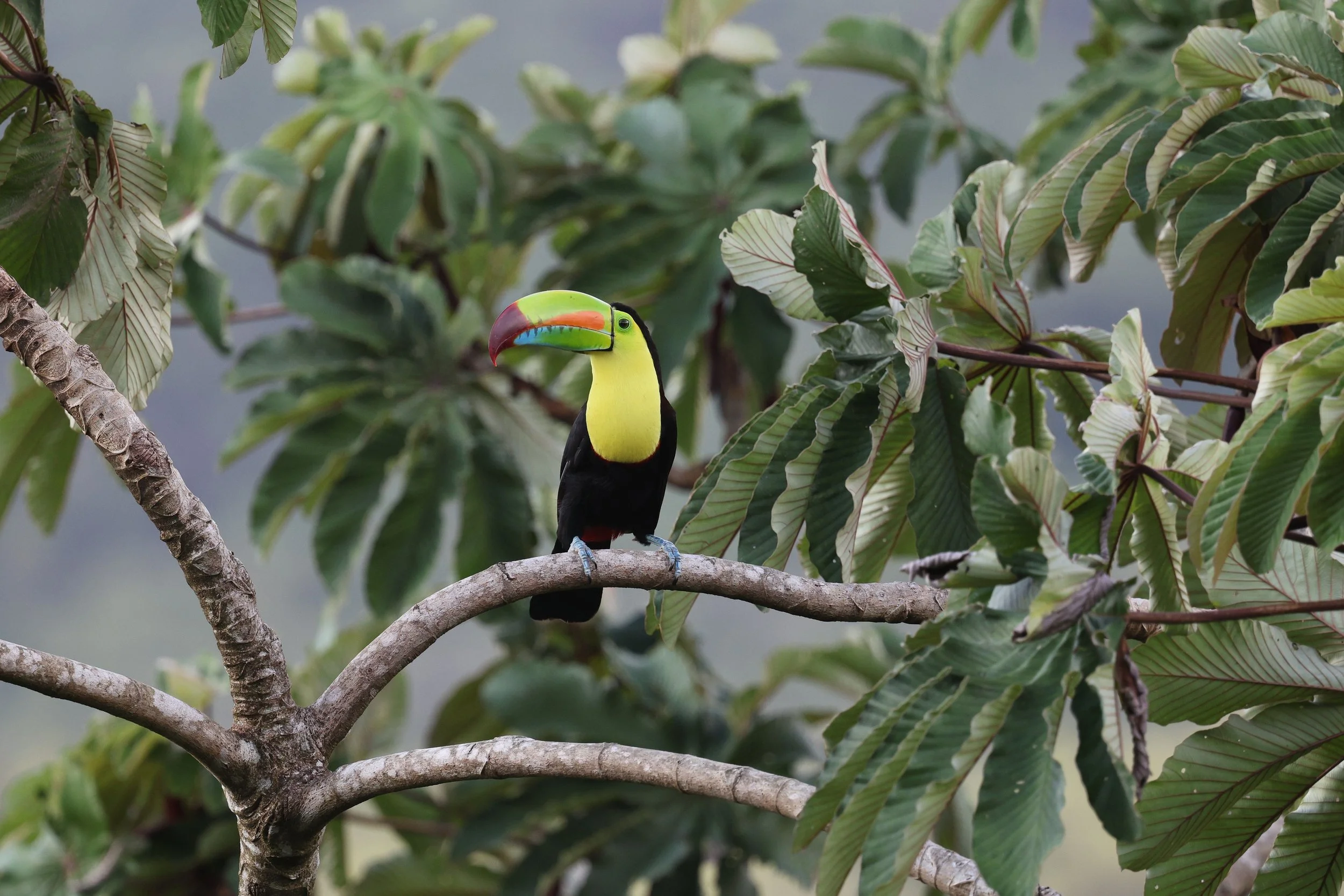
The Osa Peninsula, on the southwestern edge of the country, is one of the most biologically intense places on the planet. Corcovado National Park covers roughly a third of the peninsula. All four of Costa Rica's monkey species, scarlet macaws, tapirs, and occasional jaguar sightings are all possible from a single property here.
The peninsula is dominated by traditional eco-lodges rather than glamping properties. But one true tented camp gives glamping travelers access to the region.
Corcovado Adventures Tent Camp, Drake Bay
Corcovado Adventures Tent Camp sits on a sandy beach in Drake Bay, on the western side of the Osa Peninsula, just southwest of the entrance to Corcovado National Park. National Geographic has called the Osa one of the most biologically intense places on the planet, and this is one of the few ways to experience it in canvas walls rather than as an eco-lodge stay.
Full-size tents on elevated wooden platforms with wood-frame beds, private decks facing the Pacific, electricity, and Wi-Fi. The setting is beachfront. Caño Island Biological Reserve is offshore, accessible by boat for snorkeling and diving. Corcovado National Park is hikeable from the property with a guide.
The camp runs full board, with three meals daily and a full range of guided tours included or available. Scarlet macaws are visible at check-in. More than 350 bird species live in the area, plus 140 mammal species including all four of Costa Rica's monkey species, tapirs, and occasional jaguars.
This is not luxury glamping in the Nayara tier. The property is more rustic and the price reflects that, which is part of the appeal for travelers who want Osa wildlife access without the lodge price tag. The wildlife density does most of the work.
What to Expect From a Costa Rican Glamping Trip
A few things worth knowing before you book.
Season matters more than in most destinations. Costa Rica has two seasons: the dry season (roughly December through April) and the green season (roughly May through November). The dry season is the most popular for travel, but the green season offers lower rates, fewer tourists, and a landscape that looks even more impossibly green than usual. Most properties operate year-round.
Travel between regions takes time. Costa Rica is small on a map but slow on the road. Travel between regions can mean five to seven hours of driving on winding mountain roads. Most travelers plan multi-stop itineraries with internal flights between regions.
Activities matter as much as accommodations. Most Costa Rican glamping properties operate with on-site guides, included or add-on activities, and a daily program. The wildlife viewing, the rafting, the rainforest hiking, and the cultural programs are part of the trip. Pick your property based on what you want to do, not just where you want to sleep.
The food is meaningfully good. Costa Rican cuisine has become an unexpected highlight of the country's hospitality scene. Many properties source ingredients from on-site organic gardens, partner with local farmers, and serve menus that focus on regional cooking traditions.
Where to Start
If you are planning a first Costa Rica glamping trip, the easiest itinerary combines two regions. A common pairing is Nayara Tented Camp at Arenal Volcano plus either Isla Chiquita in the Gulf of Nicoya or Kinkára in the southern zone. Five to seven nights total. One internal flight or one long drive between the two stops.
For travelers focused on wildlife and adventure, the Osa Peninsula is the destination to add. Plan for at least three nights at Corcovado Adventures Tent Camp, with travel time built in. This is not a region for short trips.
For travelers focused on wellness and reflection, Kinkára in the southern zone is the property that does this best.
For travelers focused on something genuinely different, the Finca Bellavista treehouse community is the most distinctive experience in the country.
The reason Costa Rica works so well for glamping is the same reason the country works for eco-tourism more broadly. The protected land is real. The infrastructure is mature. The operators have had decades to refine what they offer. And the landscape itself is unlike anywhere else.
If you are looking for the kind of trip where the landscape is the main event and the accommodation is built to disappear into it, this is one of the strongest destinations in the world.