
The Way We Travel Is Changing, and Glamping Is Right at the Center
A quieter shift toward seasonality, space, and stays that feel aligned with place
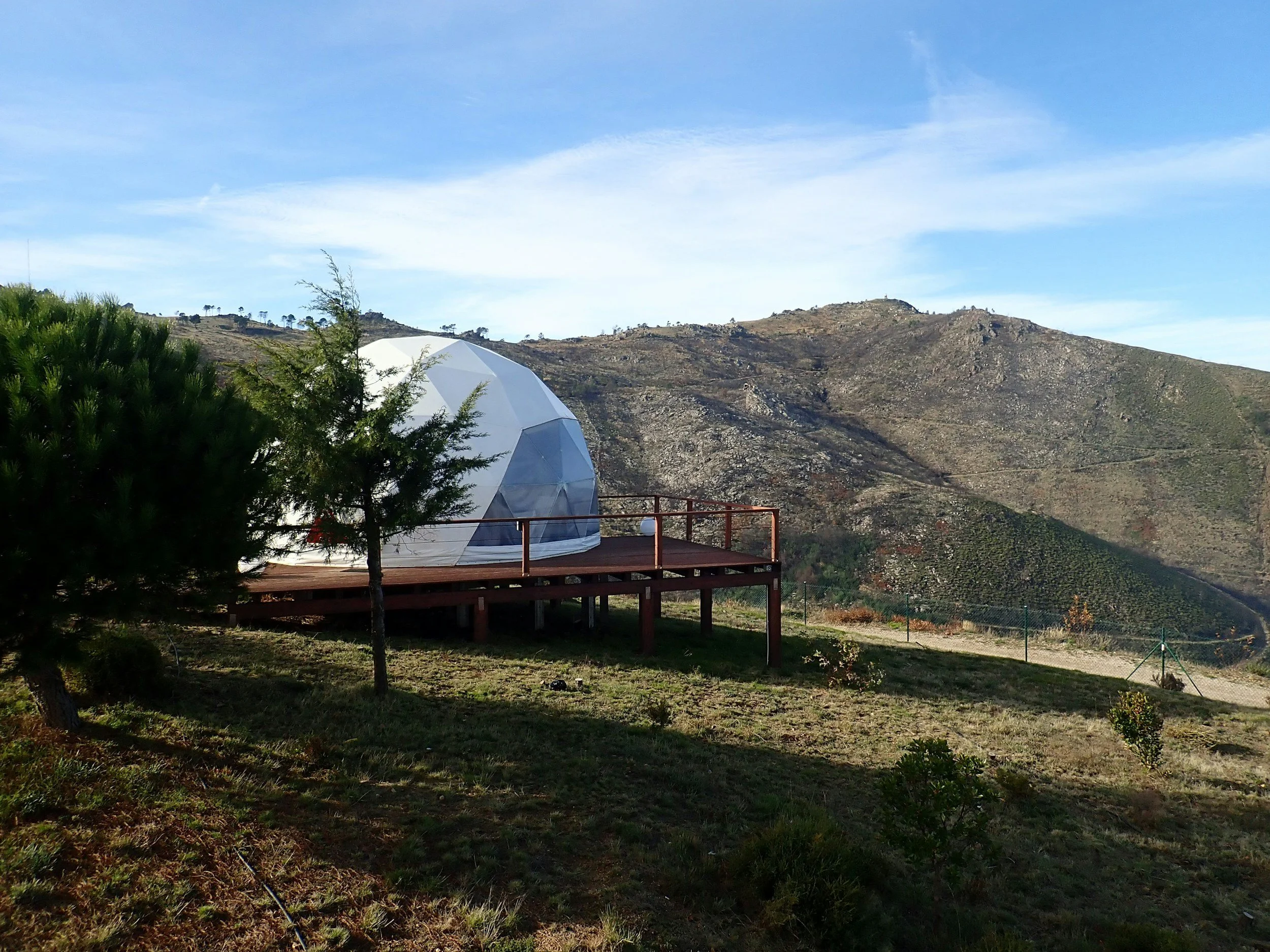
Something has shifted in how people choose where to stay. Not dramatically and not all at once. But enough to change what a good trip looks like.
The focus is moving away from volume, more stops, more activity, more structure, and toward something more considered. Fewer places and better environments. Stays that feel connected to where they are, rather than layered on top of it.
This is where glamping has found its footing. Not as a trend, but as a format that already aligns with how people want to travel now.
Space Has Become Part of the Luxury
The appeal isn’t complicated. A well-positioned tent, cabin, or open-air structure offers something traditional accommodations often can’t: separation. Not isolation, but distance from noise, from crowds, from the pace that tends to build around high-traffic destinations.
Arriving at a glamping property feels different from the start. There is less urgency and fewer transitions. The experience begins where you are, not somewhere you need to get to. That sense of space, both physical and mental, is becoming part of what travelers value most. It’s one of the reasons glamping stays continue to hold attention across generations.
Properties like ULUM Moab clearly reflect this shift. Set against the vast desert landscape outside Moab, the experience isn’t built around constant activity or over-scheduling. Instead, the property leans into stillness, scale, and atmosphere. Open-air lounges, plunge pools, canvas suites, and uninterrupted desert views create an environment where the landscape itself becomes part of the stay rather than simply its backdrop.
Timing Matters More Than It Used To
Peak season still exists, but it’s no longer the default choice. Many travelers are shifting just outside it, early spring, late fall, quieter weeks that sit between traditional travel windows. In those moments, destinations tend to feel more balanced. Glamping properties, in particular, reveal themselves differently in these seasons.
A desert camp in October carries a steadier rhythm than it does in peak heat. A forested retreat in early spring feels open and quiet, before summer demand arrives. Even coastal stays take on a different tone when the crowds thin and the pace settles.
These aren’t secondary experiences. In many cases, they’re the better version. What changes isn’t just the environment, it’s how the stay unfolds. Slower mornings, more access to shared spaces, and a clearer connection to the setting itself.
Weather Is Shaping Where People Stay
There’s also a more practical shift happening. Travelers are paying closer attention to conditions, heat, storms, seasonal extremes, and adjusting accordingly. Destinations that once felt predictable are becoming less so, and that’s influencing both timing and location.
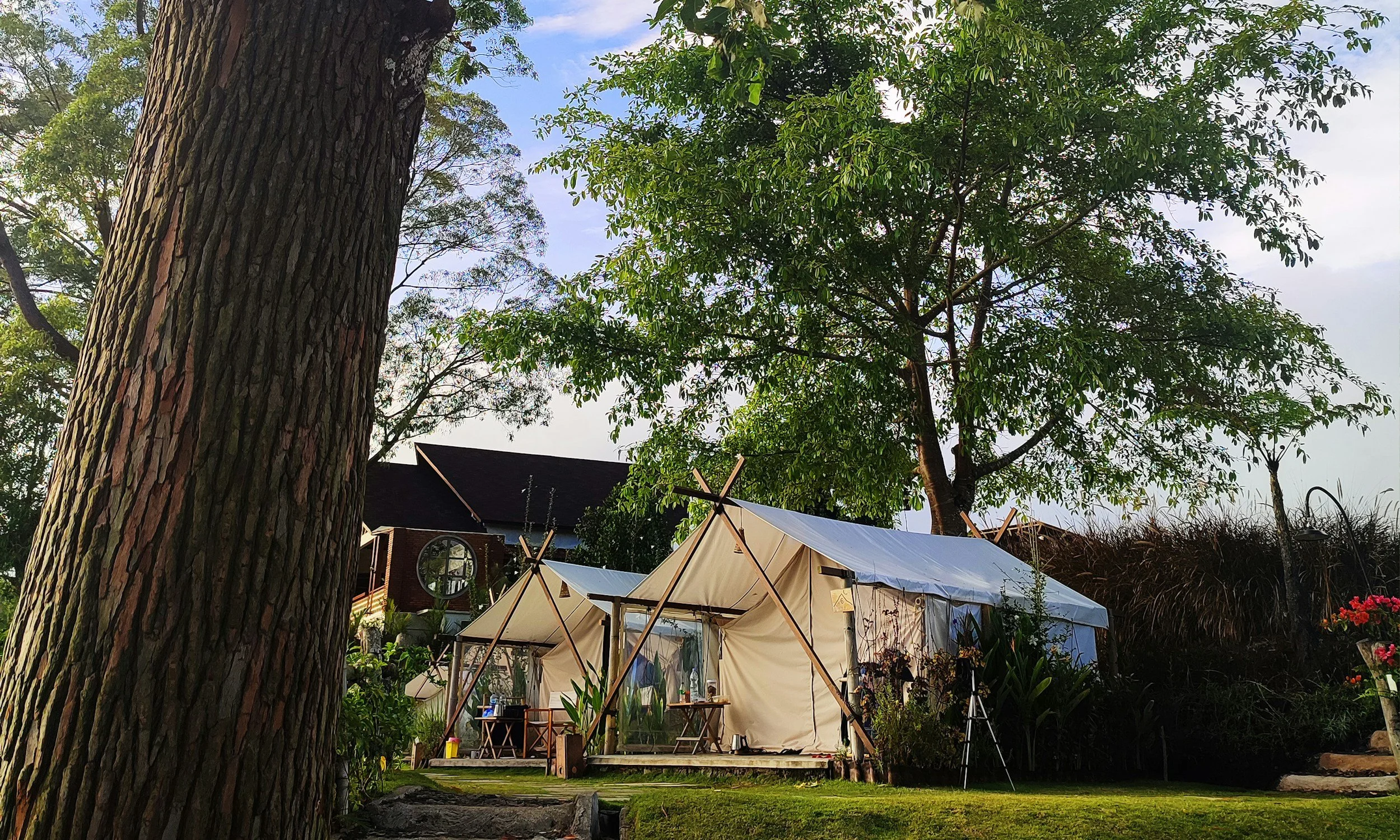
Glamping fits naturally into this adjustment. These stays are more directly connected to their environments; they tend to be designed with conditions in mind. Airflow instead of sealed interiors, shaded structures, and materials that respond to climate rather than resist it. Glamping creates a different kind of comfort, not controlled, but considered.
For travelers, that often translates into choosing places that feel right for the season they’re in, rather than forcing a destination to work at the wrong time.
At Clayoquot Wilderness Lodge, the surrounding wilderness shapes nearly every part of the experience. Reached by boat or seaplane, the remote tented retreat operates with a strong awareness of seasonality, weather, and landscape. Morning fog rolling through the forest, cool coastal air, and the rhythm of the tides become part of the atmosphere of the stay itself. The experience feels less manufactured and more connected to its surroundings.
A Shift Toward Less Crowded Places
As travel patterns continue to evolve, many travelers are gravitating toward destinations that feel less crowded and more connected to their surroundings. The experience becomes less about rushing between highlights and more about settling into a place at a more natural pace. Instead, they’re choosing regional locations, private land stays, or smaller-scale properties that operate with intention rather than volume. Glamping properties, by nature, tend to sit within this category.
With fewer accommodations spread across larger landscapes, guests can experience the setting with greater privacy and fewer interruptions. The atmosphere feels calmer, allowing travelers to settle into the environment rather than simply moving through it. That shift is also creating greater interest in quieter “Soulful Stay” style properties, places that may not dominate social media feeds, but leave a lasting impression through atmosphere and authenticity.
Properties like Under Canvas’ The Fields of Michigan offer a different pace entirely. Set among rolling fields and tree-lined landscapes near Lake Michigan, the experience feels intentionally understated. Evenings around the fire, slow mornings with coffee outside the tent, and open space between accommodations create a kind of quiet that many travelers are actively seeking. It’s less about constant activity and more about the atmosphere a place creates while you’re there.
The best stays now align with their environment, rather than trying to control it.
Sustainability, Without Friction
For most travelers, sustainability isn’t about making a statement. It’s about making thoughtful decisions in ways that feel natural and manageable throughout the trip. Glamping stays often support that mindset through smaller footprints, lower-impact structures, and a stronger connection to the surrounding environment—elements that are typically built into the experience itself rather than treated as added features.
That doesn’t mean every traveler approaches sustainability in the same way. Some seek out experiences that offer deeper cultural or environmental connections, while others focus on practical habits like reducing waste, conserving energy, or supporting local businesses during their stay. Regardless of the approach, travelers are becoming more aware of how their choices shape the places they visit, and properties that operate with that awareness are increasingly influencing where people choose to stay.
The Stay Is Becoming the Destination
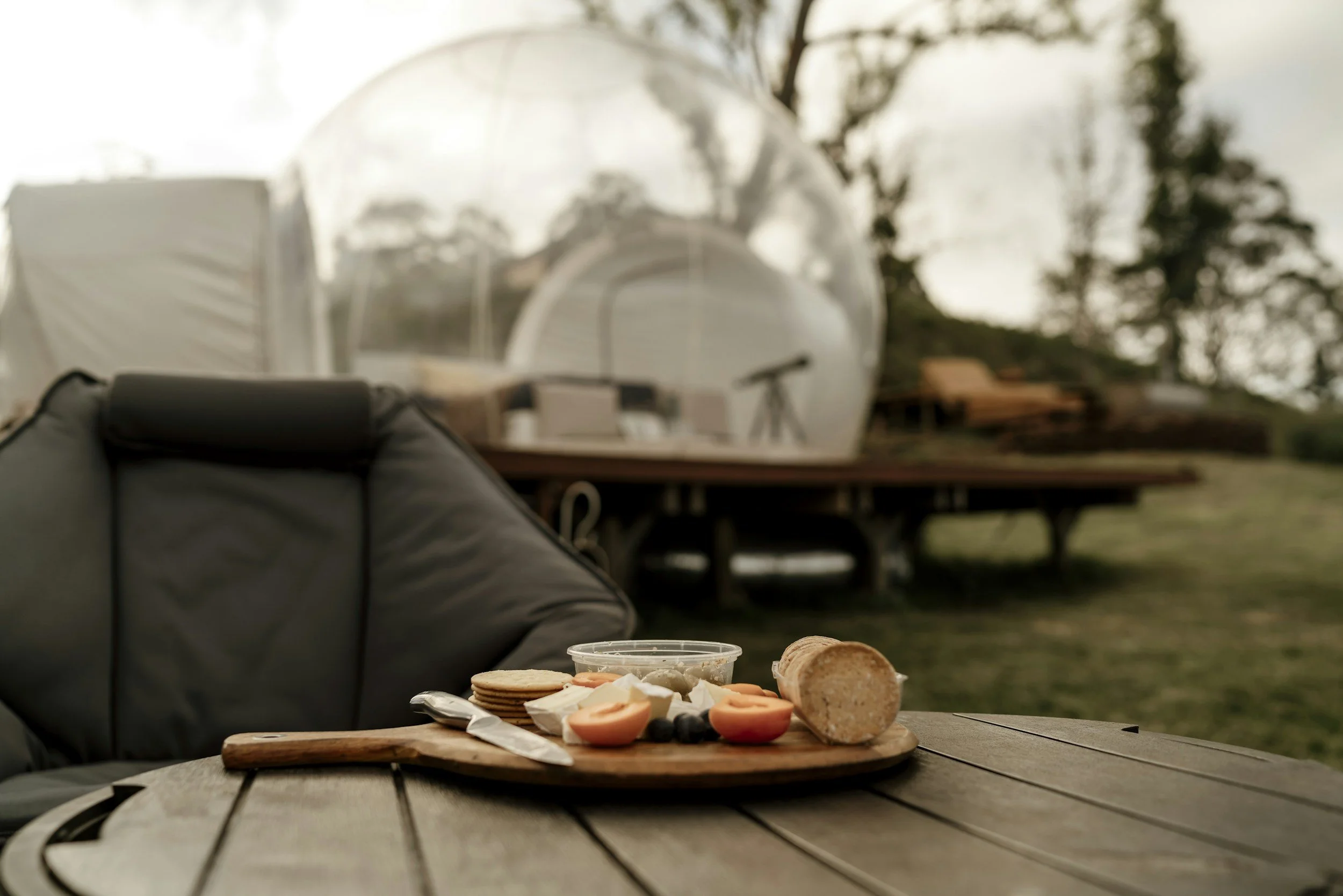
One of the more noticeable shifts in travel is the importance the accommodation itself now carries in the overall experience. For many travelers, where they stay has become just as meaningful as the destination surrounding it. A thoughtfully designed glamping property can shape the pace, atmosphere, and rhythm of an entire trip without the need for a packed itinerary or constant movement from one activity to the next.
The setting, the design of the accommodations, and the connection to the surrounding environment all work together to create a more immersive experience. Travelers are increasingly looking for places that allow them to slow down, spend more time outdoors, and feel connected to the landscape rather than separated from it.
As a result, travel is becoming less about covering as much ground as possible and more about choosing places that feel aligned with how people want to experience their time away. For a growing number of travelers, glamping offers a natural balance; combining comfort, atmosphere, and a stronger sense of place in ways that feel both intentional and approachable.
How to Travel Smarter This Season
Shift the timing
Look just outside peak travel windows. Early spring and late fall often offer better conditions and a more relaxed pace.
Choose the right environment
Match the destination to the season. Cooler regions in warmer months. Desert landscapes when temperatures settle.
Prioritize space
Smaller properties with fewer accommodations tend to create a calmer, more grounded experience.
Let the stay lead
Choose accommodations that hold the experience on their own. Less movement, more presence.
Keep it simple
Support local businesses, minimize waste, and move through destinations with awareness. Small decisions shape the overall impact of travel.