
How to Pick the Right Glamping Property for Your Travel Style
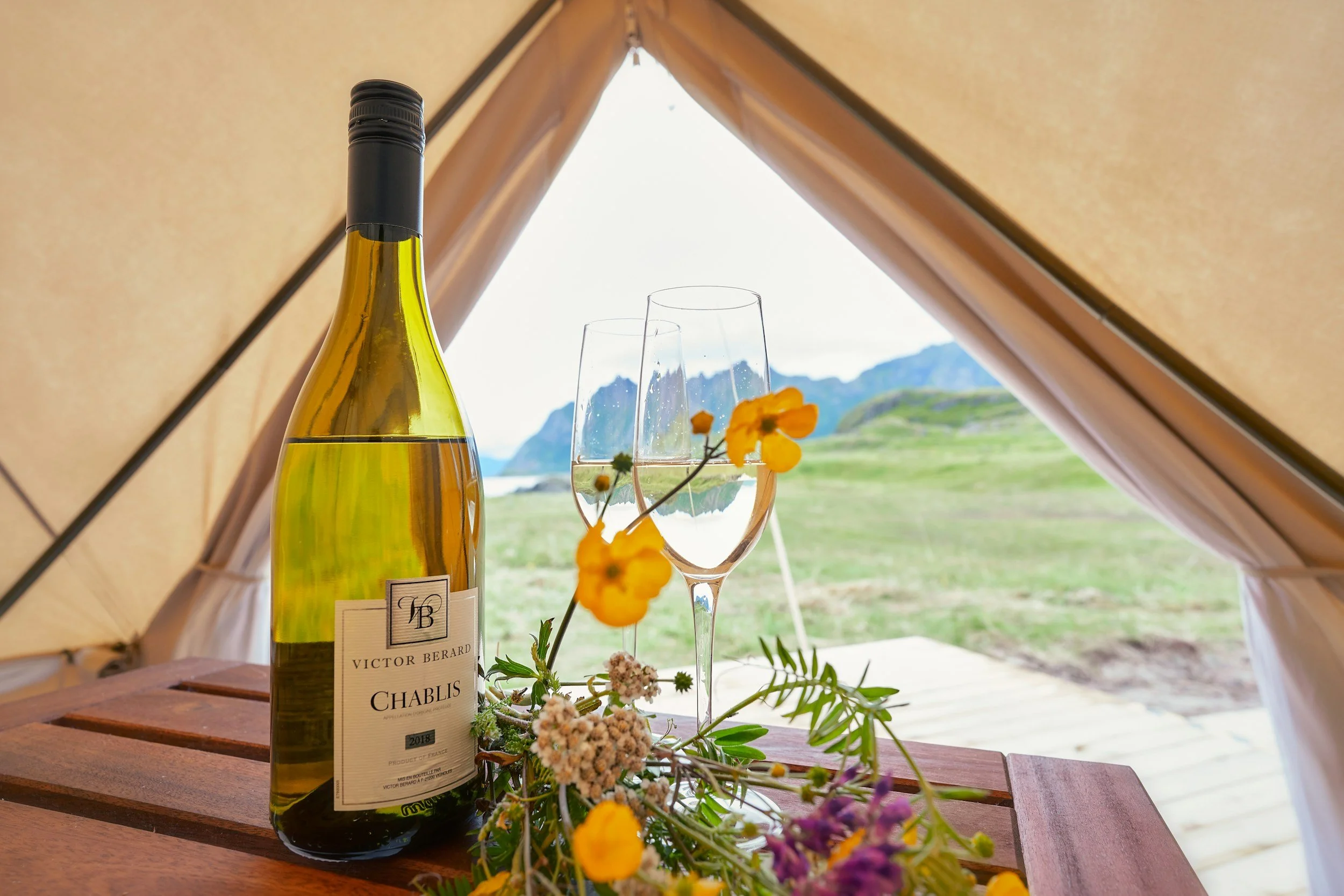
The conventional advice for choosing a glamping property is to start with the destination. Pick the region. Then pick the property within it. This sequence is wrong, or at least incomplete, because it skips the more important question: what kind of stay are you actually trying to have.
Two travelers visiting the same region will have entirely different experiences depending on what kind of property they choose. The high-desert traveler who wants solitude will be miserable at a sixty-tent resort even if the resort is in the right location. The traveler who wants company at dinner will be lonely at a six-tent property even if the architecture is more interesting. The property is not a setting for the trip. The property is the trip.
Five questions to ask yourself before you book.
How Do You Actually Want to Spend Your Days?
Not what you think you should be doing. What you actually want to do. If your honest answer is "read a book in a good chair and look at a view," you want a small property with thoughtful interior design and minimal activity programming. If your honest answer is "long days outside doing physically demanding things," you want a property with strong guide infrastructure and a serious activity calendar. If your honest answer is "sit by water and eat well," you want a culinary-led property near a lake, ocean, or river.
The honest answer is the planning input. The romanticised answer is what leads to disappointed stays.
How Much Friction Can You Tolerate at Arrival?
Some properties are 90 minutes from a major airport with a paved road the entire way. Some require a 45-minute light aircraft flight followed by a 90-minute four-wheel-drive transfer. Some require a 30-minute uphill walk from the parking area with staff carrying your luggage on a hand cart. None of these is wrong. All of them describe genuinely luxurious properties. But the friction profile of the access shapes the kind of guest the property is built for.

If you find the long-haul transfer a meaningful part of the experience, you are well-suited to the most remote properties, like the African camps, the Patagonian lodges, the genuinely off-grid Nordic properties. If you find the transfer the price you pay to be at the destination, you should choose properties with simpler access.
Do You Want Communal or Private Dining?
This is the most under-asked question in glamping property selection, and the one that produces the most stay-altering surprises. Some properties dine all guests communally at a single long table. Some dine all guests privately in their own structure or at separated tables. Some offer both.
Communal dining is generous to solo travelers, to couples who enjoy meeting other guests, and to anyone who finds the energy of shared meals restorative. It is exhausting to introverts, to couples who came for time alone with each other, and to anyone whose work life requires being personable.
If the property does not make this clear on its website, ask. The answer determines whether the most consistent part of every day is energizing or depleting.
How Important is Architectural Distinction?
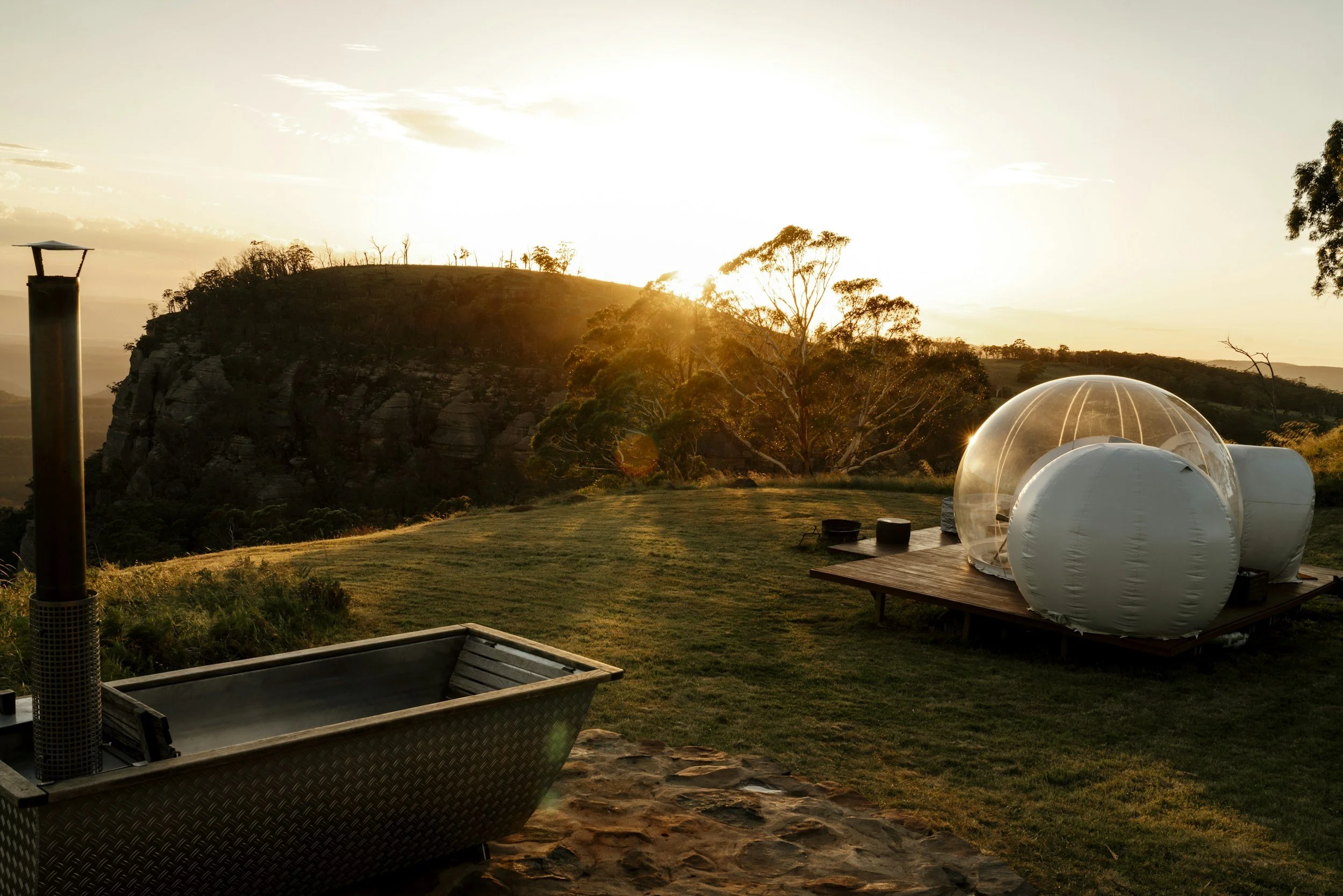
There is a category of glamping property where the architecture is the point: the geodesic domes, the structurally adventurous treehouses, the Patagonian camps that look like nothing else on earth. There is another category in which the structures are more restrained, and the setting becomes the defining feature: safari camps beneath thatched roofs, canvas lodges set deep within remote landscapes, and desert or mountain camps shaped more by place than by architectural spectacle.
Travelers who care deeply about architecture should choose properties where the structure itself is central to the experience. Travelers who care more about the landscape can choose properties with quieter architecture and let the environment take more of the lead during the stay. Neither approach is wrong. Problems usually begin when travelers go against their own temperament.
How Long Do You Actually Want to Stay?
The conventional vacation is one week. Glamping properties operate on different rhythms. Some are designed for one or two nights as part of a road trip like the regional Under Canvas camps near the American national parks, for instance. Some are designed for three to four nights as part of a multi-property itinerary, such as the safari camps, the Patagonian lodges. Some are designed for five to seven nights as a single anchor stay. These are the largest of the destination resorts and the most isolated of the remote properties.
A two-night booking at a property designed for seven leaves the guest having barely arrived. A seven-night booking at a property designed for two leaves the guest having exhausted the property's offerings by day four.
Putting the Questions Together
The right property often emerges from the answers, not from the region itself. A traveler who wants quiet mornings, strong views, private dining, distinctive architecture, and the kind of remoteness that requires some effort to reach already belongs to a very specific category of stay. The destination becomes secondary to the experience profile.
Conventional travel advice often approaches the process in reverse, starting with the destination before considering how someone actually prefers to travel. But travelers who are willing to answer these questions honestly usually end up choosing properties that fit them far more naturally once they arrive.