
Five Wellness Retreats That Don't Mention Wellness
Five Wellness Retreats That Don't Mention Wellness
There is a tell at the wellness retreat. It is the language. The brochure speaks of holistic protocols, ancient practices, mind-body integration, and the recalibration of your nervous system. The spa menu offers a curated journey through chakras and lymphatic drainage. The shop sells crystals.
This vocabulary used to mean something specific. It now means almost nothing. The phrase "wellness retreat" has been applied to so many properties and so many services that it has lost the ability to signal anything except marketing intent. The properties doing genuine restorative work have begun, quietly, to drop the language entirely.
What has emerged is a small category of properties that produce the outcome wellness travel promises, genuine restoration, sustained attention to the body, real recovery from the noise of ordinary life, without any of the vocabulary. They do not call themselves wellness retreats. They do not have spa menus printed in cursive. They do not feature their wellness director in the staff bios.
Five worth knowing.
Lon Lodges | Cambrian Mountains, Wales
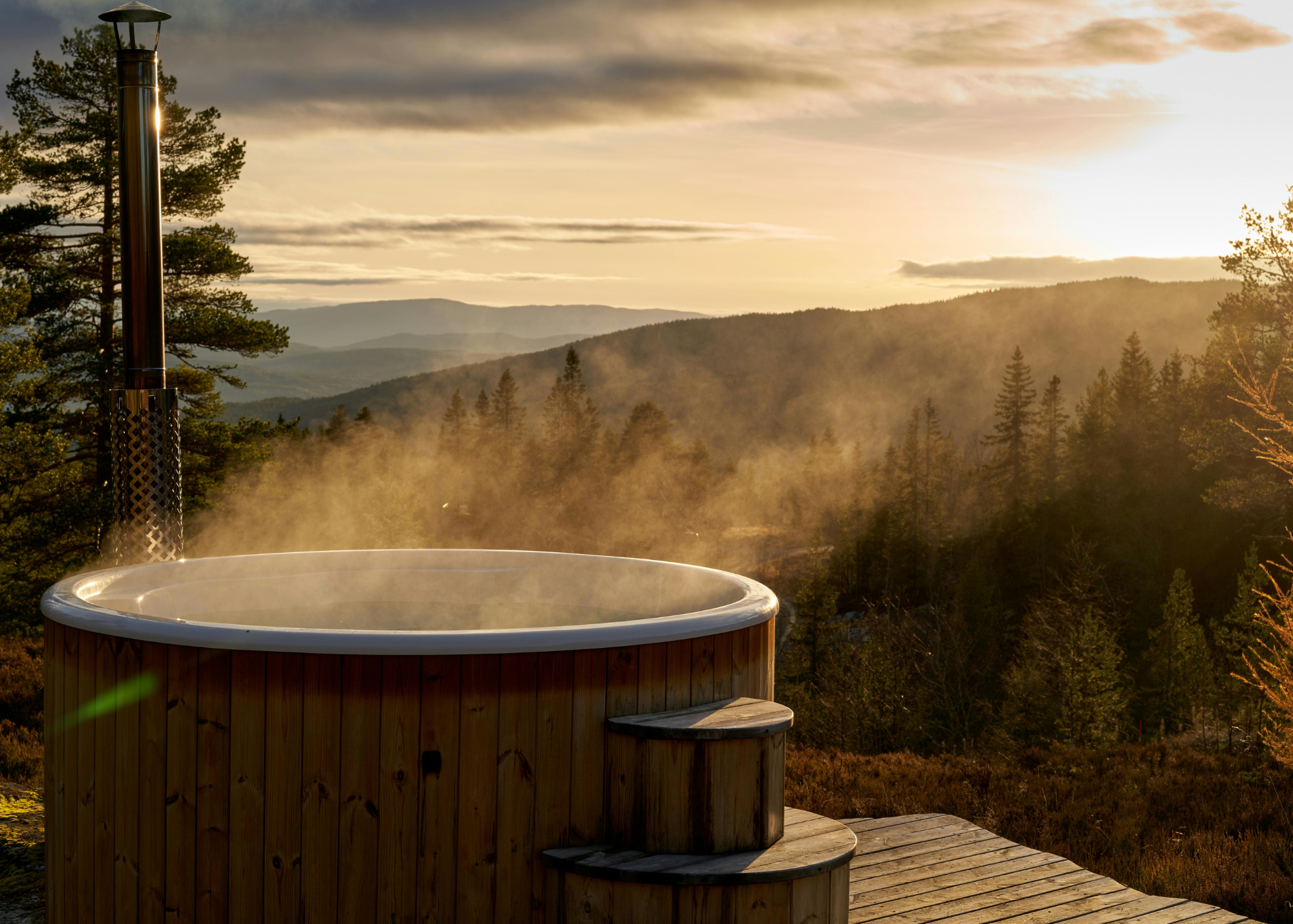
The restoration at Lon Lodges is produced almost entirely by silence and darkness. The property sits within a Dark Sky Reserve, with a thousand acres of working farm around it and almost no artificial light for miles in any direction. There is no spa. There is no wellness programming. There is a wood-fired hot tub on the deck of each lodge, a sturdy bed, and the kind of unbroken sleep that becomes possible when the night sky is the only ceiling that matters. The property's restorative effect is structural — the absence of stimulation, sustained over several days, rather than therapeutic in the formal sense.
Quinta da Comporta | Comporta, Portugal
A sanctuary of stillness within a rice-field reserve south of Lisbon. The architecture references local "rice-house" vernacular and is built around long sight lines across the fields toward the Atlantic. The spa exists; the property does not foreground it. What the stay actually delivers is the slow tempo of Mediterranean rural life, long lunches, afternoon quiet, evenings that begin late and end without ceremony. Featured in our earlier piece on terroir-driven properties, Quinta da Comporta belongs equally on this list because what it produces in the guest is restoration, achieved through the property's refusal to perform restoration.
Aman-i-Khás | Ranthambore, Rajasthan, India
The most architecturally pure tented camp in the Aman portfolio. Ten luxury tents on the edge of Ranthambore National Park, dismantled and rebuilt seasonally outside of the operating window. The structure of a stay is built around twice-daily safari drives into the tiger reserve and the long contemplative hours in between, the genuine downtime that the safari schedule produces by design. The yoga pavilion exists. It is not the point. The point is the rhythm: a six AM departure, a return for breakfast, the long quiet of the midday heat, a late afternoon drive, an unhurried dinner under the open sky. The rhythm itself is the protocol.
Sheldon Chalet | Denali, Alaska
A permanent structure on a glacier in the Don Sheldon Amphitheatre, accessed by helicopter from Talkeetna. Six suites. No internet. No phone signal. The activity menu offers glacier hiking and aurora viewing and not much else. What makes Sheldon Chalet a restorative property is the radical containment of the experience, the complete impossibility of being reached, the absence of decisions to make, the way the immensity of the mountain landscape reorganizes the guest's sense of scale. The property does not market wellness because it does not need to. The setting does the work.
The Newt in Somerset | Somerset, England
Already known to readers of this magazine through our previous coverage of terroir-driven properties. The Newt belongs on this list because it is the clearest example of the principle. The estate offers a working farm, an ancient orchard, a cider press, a walled kitchen garden, and a network of footpaths through the surrounding Somerset countryside. The spa exists in a converted bath house and is excellent. The wellness vocabulary appears nowhere in the property's marketing. What the stay produces is genuine recovery, through long meals from the garden, sustained physical activity in the form of walking, and the absence of urgency that is built into the rhythm of the property itself.
What These Five Have in Common
The properties on this list share three characteristics, each of them learnable.
They prioritize sustained attention to the day's rhythm over the delivery of specific therapies. The wellness work happens through the structure of time on the property, not through a series of treatments bolted onto a regular hotel stay.
They have refused the vocabulary. None of these properties describes itself as a wellness retreat. The absence of the language is itself an editorial choice, and the kind of guest the language tends to attract is not the guest these properties are built for.
They produce the outcome that wellness travel was originally designed to deliver, the genuinely rested body, the quieted mind, the small reorganization of priorities that survives the trip home, and they produce it without performing.
The lesson is not that wellness travel is bad. The lesson is that the properties doing the best wellness work have stopped calling themselves wellness retreats. The vocabulary has become noise. The work happens in the silence.