
Comfort without Containment: The Luxury Traveler’s Shift to the Wild
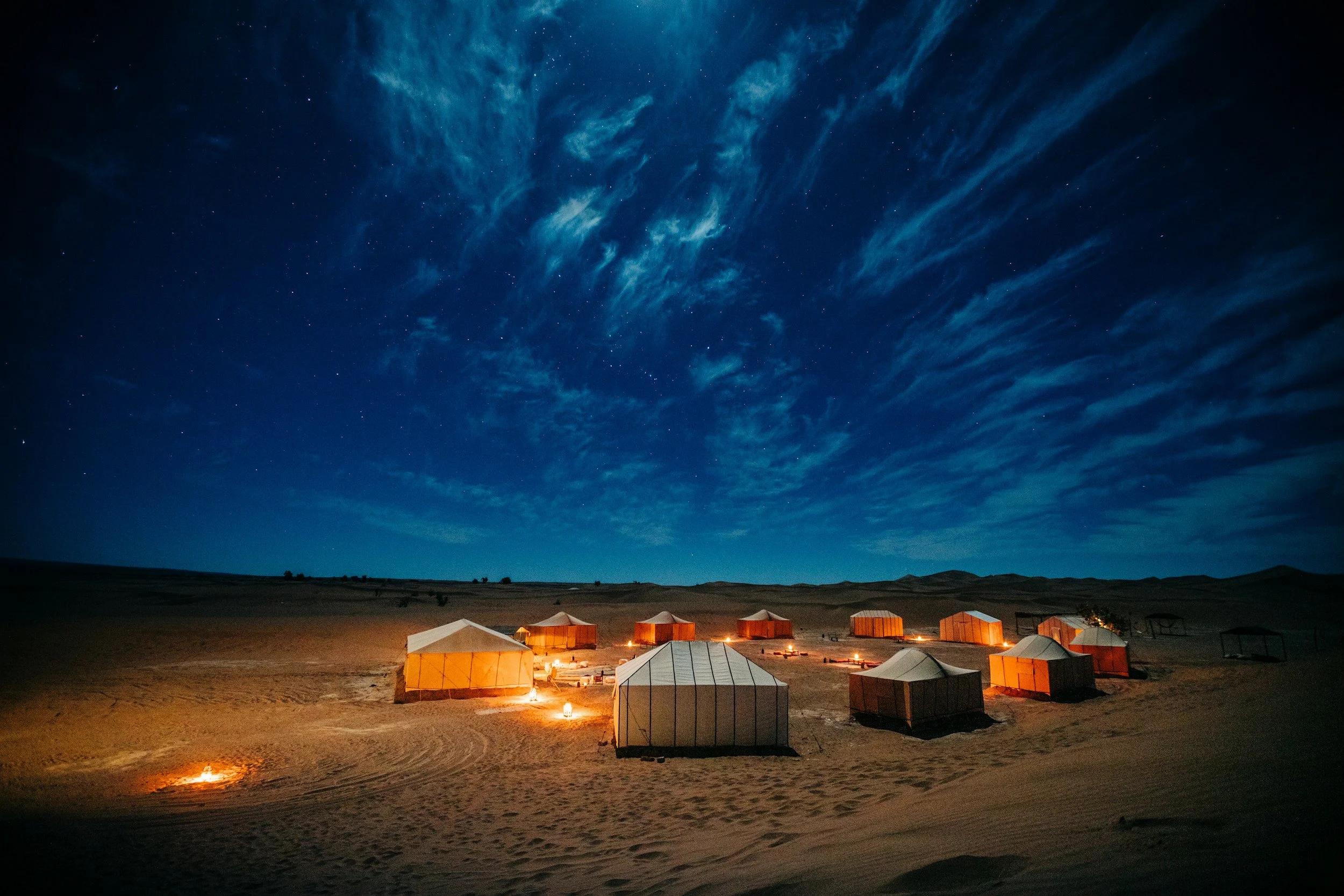
For many, the idea of a vacation is synonymous with a hotel room. It is the predictable comfort of a lobby, a carpeted hallway, and a door that locks the world away. But there is a different way to travel that is less about being enclosed and more about being present. Glamping—staying in a space that puts you directly in the landscape without the work of traditional camping—is the bridge to that experience.
If you are used to the structure of a standard hotel, making the move to a remote, soulful stay isn't about giving up comfort. It is about trading the walls for a better view.
Choosing the Right Structure
The biggest hurdle for a first-timer is often the visual of a "tent." In this world, architecture is used to help you see the environment, not hide from it. For your first stay, look for "in-between" spaces. This might be a safari tent with a solid wood floor and a private bathroom, or a small cabin with floor-to-ceiling glass.
These structures give you the safety of a room but keep you inches away from the scent of the forest or the sound of the wind. It allows you to wake up to the sun without ever having to get out of bed.
Understanding the Service
In a hotel, service is a desk in a lobby. In a remote stay, the service happens before you arrive. You aren't sacrificing ease; the delivery just looks different.
The goal of a well-prepared stay is to remove the "work" of the outdoors. It is a wood-burning stove that has already been stocked with wood, or a bottle of wine from a local vineyard waiting on the table. It is less about being waited on and more about being looked after, giving you the freedom to move at your own pace.
Preparing for the Arrival
The concern for many first-time travelers is the logistics of the wilderness. A great remote stay focuses on a smooth transition. When you choose a destination that handles the details—like clear directions, fresh meals, and a sturdy, well-made bed—the "outdoor" part of the trip becomes the highlight rather than a challenge.
Once the logistics are handled, you are free to focus on the stillness. You quickly realize that you don't need marble walls to feel secure; you just need a comfortable place to sit and the space to look out at the world.
Packing for the Environment
When you move away from a standard hotel, your packing list needs to shift from "occasion-based" to "environment-based." Because glamping structures are designed to let the outside in, the temperature and light will follow the natural rhythm of the day.
Pack layers that allow you to move comfortably between a crisp morning on the deck and a warm afternoon in the sun. Practical footwear is essential—not just for the trails, but for moving between your tent and the communal spaces. By bringing items that match the terrain, you ensure that the setting feels welcoming rather than a challenge to navigate.
Embracing the Unpredictable
In a traditional stay, the goal is total control over the environment. In a soulful stay, the goal is to coexist with it. Part of the experience of staying well outdoors is embracing the things you cannot schedule: a sudden shift in the weather, the sound of wildlife at night, or the way the light changes before a storm.
This unpredictability is not an inconvenience; it is the point of the trip. When you stop trying to manage the outdoors and start observing it, the stay becomes much more meaningful. This mental shift allows you to find value in the stillness and the movement of the landscape, turning a simple vacation into a genuine connection with the world around you.
Ultimately, the shift to glamping is about proving that travel doesn’t have to be a choice between luxury and the landscape. It is about finding a middle ground where you can experience the wild on your own terms. By choosing a stay that prioritizes thoughtful design and quiet service, you remove the barriers to the outdoors. You aren’t just visiting a place; you are living in it, with all the comforts of home and none of the walls.