
Shoulder Season Glamping: A Quieter Way to Travel in Spring and Fall
Milder days, changing landscapes, and more time to enjoy the outdoors
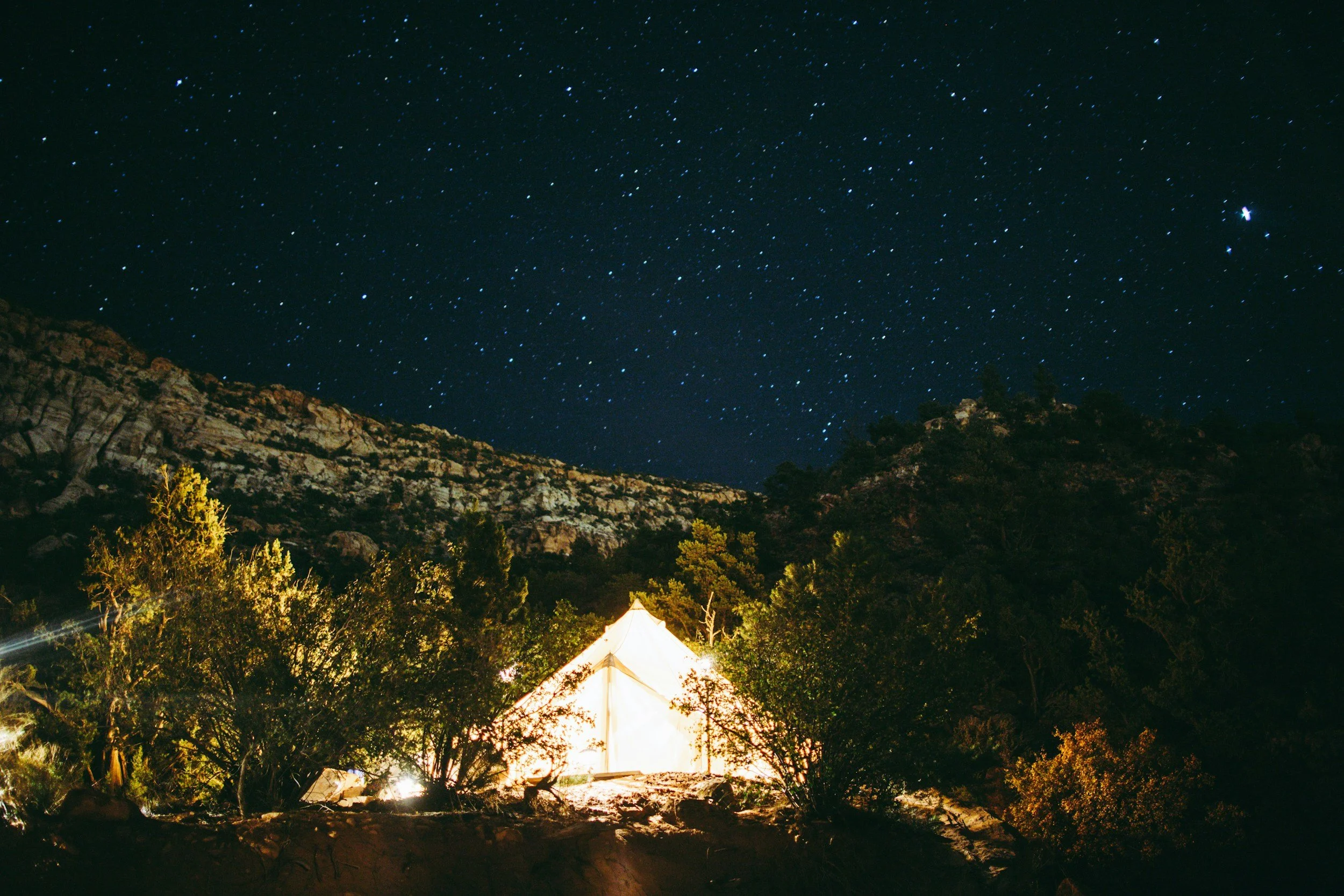
There is a point each spring when the ground has softened, the first leaves are beginning to appear, and summer still feels some distance away. Autumn has its own version of this pause. The days remain warm enough to spend outside, but mornings arrive with a chill, and the busiest weeks of travel have passed.
These are the shoulder seasons, the stretches between a destination’s peak and off-season. In many destinations, shoulder season falls between March and May and again from September through November, although the timing varies by climate, elevation, and location. Shoulder-season travel is often presented as a practical strategy, with lower rates and fewer people as the primary rewards. Both matter, but they don't fully explain why spring and fall suit glamping so well. At the right property, traveling outside peak season does not feel like accepting less. With fewer visitors and a slower pace, there is more time to appreciate the landscape, enjoy the accommodation, and experience the destination without the intensity of its busiest months.
The Landscape Is in Motion
Peak season tends to present a destination at its most familiar. Summer brings full foliage, long afternoons, and more predictable weather. Winter properties are defined by snow, firelight, and the promise of warmth. Shoulder season is less settled. A spring morning may begin in fog and end beneath a clear sky. An autumn hillside can look noticeably different by the end of a week.
During a glamping stay, the changing season is difficult to miss. Rain can be heard against a canvas roof, cool air enters through an open door, and fallen leaves gather around the deck.
The Days Invite More Time Outside
For many travelers, summer glamping carries one unavoidable challenge: heat. Even a beautiful tent can lose some of its appeal during the hottest part of the day, and high temperatures or humidity may cut short hiking and other outdoor activities. In spring and fall, milder weather makes it easier to spend more time outdoors.
Breakfast can linger outside without the sun becoming too intense. A walk that would feel demanding in July may be comfortable in October. Evenings are cool enough for a fire to feel welcome, not just decorative. The pleasure comes from moving easily between the open air and the comforts of the accommodation, without retreating from either extreme heat or deep cold.
A Quieter Version of the Destination
Fewer visitors can certainly mean shorter lines and easier dinner reservations, but quiet has a more important effect on a glamping property. It restores the sense of space that draws many travelers outdoors in the first place.
The area surrounding the property often feels different once peak-season traffic begins to thin. Small towns are less crowded, while restaurants and farm markets reflect what is being harvested locally. Popular periods such as peak autumn colors or spring blooms can still draw visitors, but traveling just before or after them may offer a quieter way to experience the region.
More Choice, With a Few Questions
Shoulder-season travel can provide access to properties that are difficult to book during summer weekends or holiday periods. Rates may be lower, minimum stays may be shorter, and the most desirable tents, domes, treehouses, or mirrored cabins may still be available. That flexibility can make room for a more spontaneous escape or stretch the budget toward a private sauna, a guided outing, or an extra night.
The tradeoff is that transitional weather asks for closer attention. A destination that feels like early summer at lower elevations may still have snow at the trailhead. Some restaurants, tours, or park services may operate on reduced schedules. At seasonal glamping properties, opening and closing dates do not always account for an unusually late thaw or early cold snap.
Before reserving, ask how the accommodation is heated, whether bathrooms are fully enclosed, what remains open nearby, and how rain or cold affects planned activities. Access roads and cancellation policies deserve the same attention. These questions do not diminish the romance of the trip. They protect it.
Finding the Right Moment
Shoulder season is not a fixed set of dates. In mountain regions, spring conditions may not arrive until late May, while September along the coast can still feel like an extension of summer. Desert destinations may reach their most comfortable temperatures just as colder regions begin closing for the year. The right timing depends on the climate, elevation, and the kind of experience a traveler wants.
No single version of the ideal stay exists. Some will want the first warm afternoon of spring, with muddy boots by the door and a blanket still needed after sunset. Others will wait for autumn’s sharper air, when the fire is lit earlier and dinner moves indoors. Shoulder season rewards travelers who are willing to let conditions shape the trip rather than expecting every day to behave the same way.
Shoulder season glamping offers more than lower rates and fewer crowds. It can bring comfortable days outdoors, noticeable changes across the landscape, and a quieter look at the surrounding region.