
Timberline Glamping
Eight Years of Purpose-Driven Outdoor Hospitality
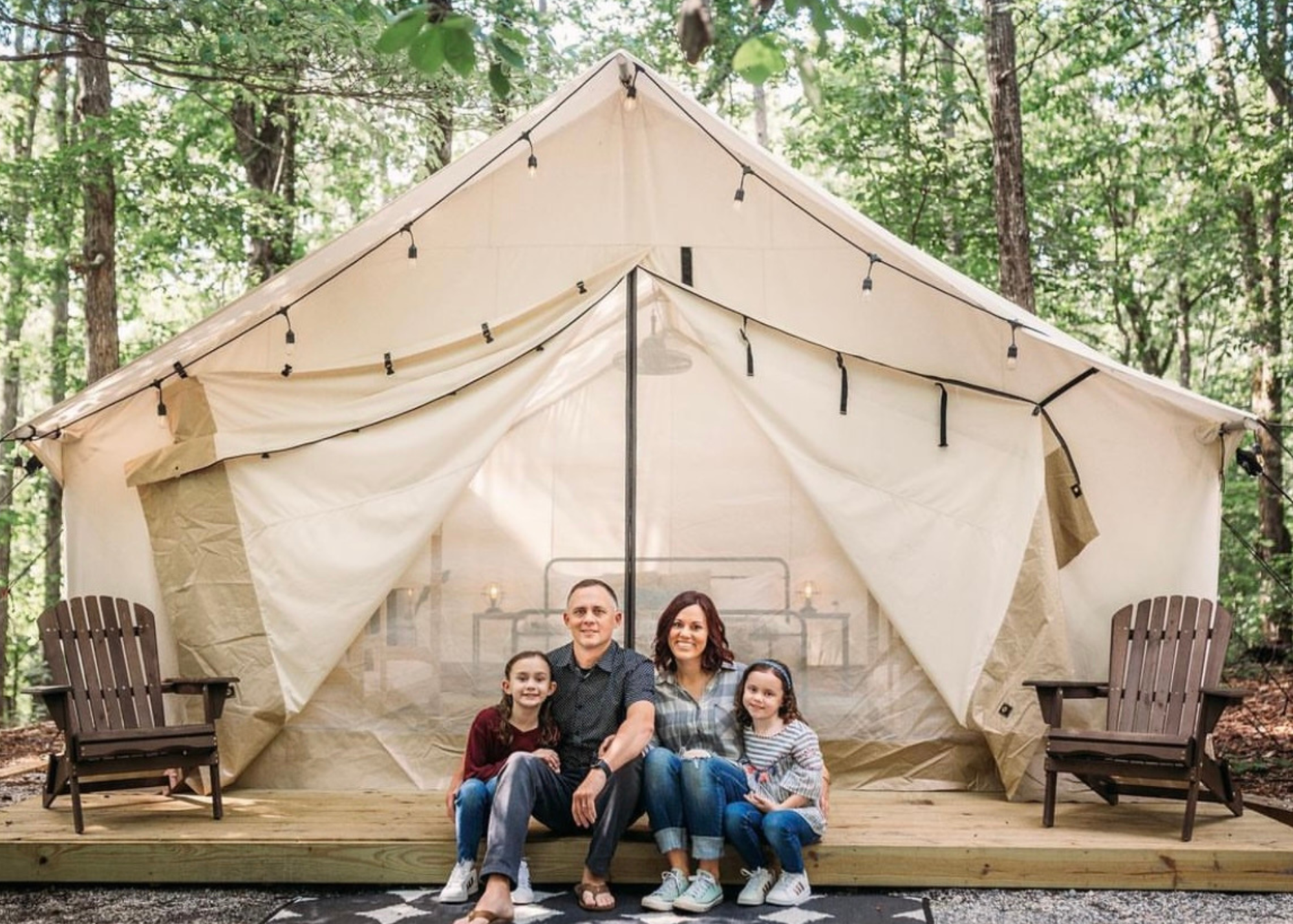
A Different Definition of Access
Eight years ago, glamping was still a relatively unfamiliar concept across much of the Southeast. Traditional camping and luxury travel operated in separate lanes, and few experiences attempted to bridge the two. Travelers who loved the outdoors often faced a choice between rustic simplicity and resort-style comfort, with little space between.
In Georgia and across neighboring states, Nathan and Rebeka recognized something shifting. Families were not simply looking for a place to sleep outdoors. They were looking for an experience that felt restorative rather than overwhelming.
They saw what they describe as an emotional gap, not just a market one.
From the beginning, Timberline Glamping was built around that distinction. The concept was clear: operate inside state and local parks, preserve the authenticity of outdoor life, and elevate the accommodation itself. The setting would remain real. The tent would be refined. That balance has defined the brand for eight years.
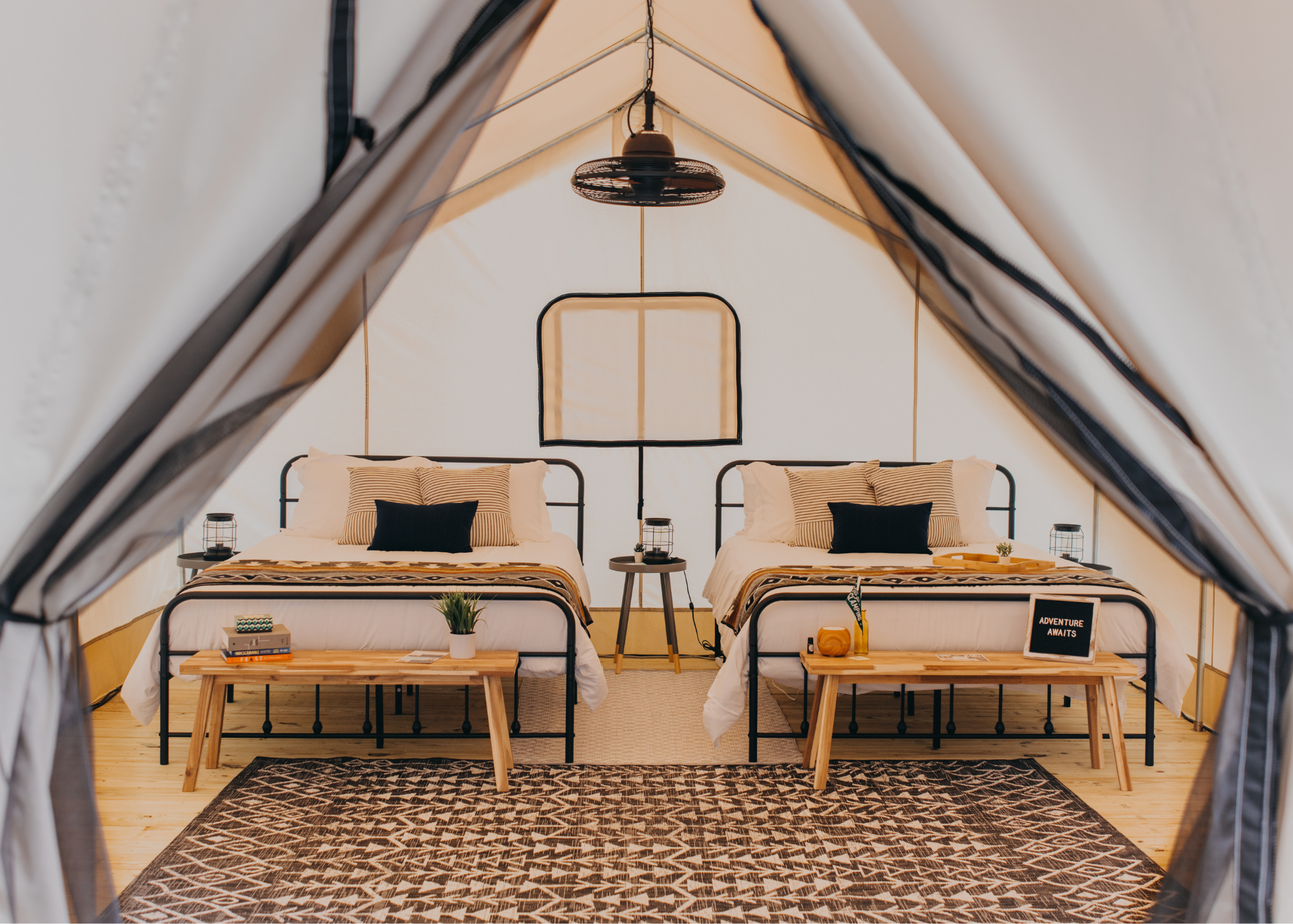
“We’ve been intentional about growing with the industry while staying rooted in the idea that glamping should feel both elevated and deeply grounding.”
Inside the Parks
State parks carry history. They are places associated with tradition, memory, and simplicity. Introducing elevated accommodations into those environments required restraint.
Timberline did not attempt to replace rustic camping. Instead, it expanded access. For many guests, a Timberline stay becomes a first entry point into the outdoors. Families with young children. Couples new to camping. Travelers who might otherwise overlook a park setting. Outside the tent, the experience remains traditional—campfires, trails, open sky. Inside, hotel-style bedding, considered layouts, and thoughtful amenities create comfort without excess.
Glamping, in this model, is not defined by exclusivity or price point. It is defined by accessibility and atmosphere.
Early on, the category was often viewed as trend-driven. Today, it has matured into a recognized segment of experiential hospitality. Timberline has evolved alongside that shift while remaining anchored to its original mission: making outdoor stays welcoming rather than intimidating.
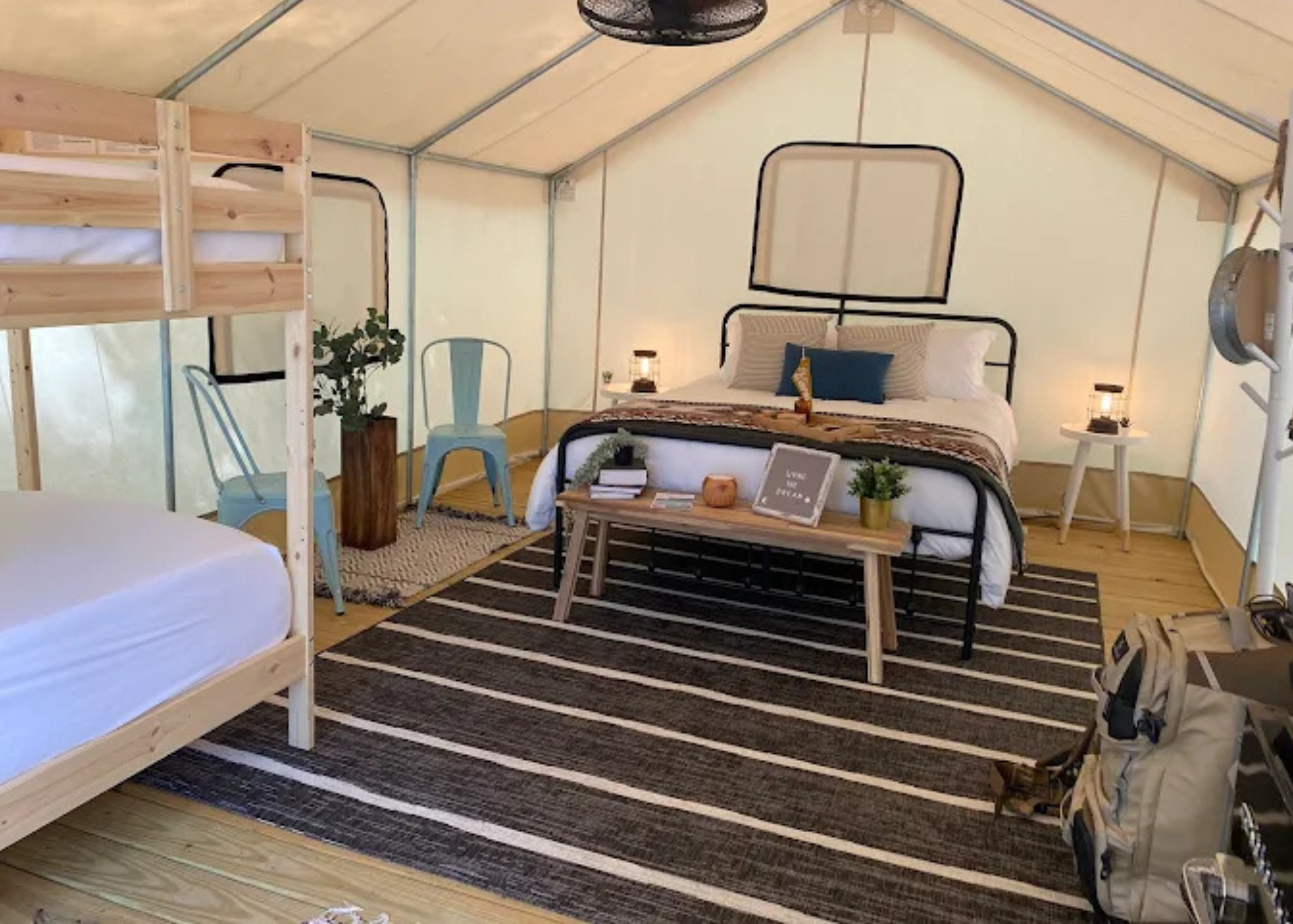
A Franchise Built on Alignment
Timberline’s growth did not begin with aggressive expansion. It began with shared values. Many franchise owners are husband-and-wife teams or family operators. The structure reflects the founders’ own partnership. Vision and practicality operate side by side. One looks forward. The other ensures the experience remains aligned and guest-centered. That dynamic has shaped the company’s culture from the beginning.
The story of Richard and Joy Manders illustrates the model in practice. Their first planned location was disrupted when a hurricane devastated the park they had selected. Instead of withdrawing, they adapted. They opened in a rural Florida state park not widely known at the time. Through steady leadership and attention to guest experience, that location became one of Timberline’s most visited. The expansion was not driven by spectacle. It was built through stewardship of parks, partnerships, and people seeking time outdoors.
What Endures
Over eight years, design preferences have evolved. Structures have diversified. Luxury definitions have expanded.
What remains consistent is the desire for environments that create space. Space to disconnect from digital noise. Space to reconnect with family. Space to experience nature without friction.
The founders believe that the need will intensify rather than fade. Glamping will continue to diversify across the hospitality spectrum, from architectural installations to private resort camps, but the enduring segment will be those experiences grounded in intention rather than excess. Timberline’s model rests in that restraint.
Looking Back at Influence
When asked what they are most proud of, growth metrics are not the focus. Instead, they point to influence. Guests who report slowing down. Families who create traditions. Children who witness their parents building something from the ground up.
The business was built alongside their two daughters. Entrepreneurship was not presented as an abstraction but as a lived reality, uncertainty, perseverance, sacrifice, and faith. Eight years later, Timberline stands not as a novelty within state parks, but as a steady presence within them. It operates in environments already defined by tradition, without attempting to overpower them.
In a hospitality landscape often shaped by scale and spectacle, Timberline has chosen a different lane, one built on access, alignment, and family-centered stewardship.
That consistency is what has sustained it.
And that is what will carry it forward.