
The Rise of the Wild Spa
Where the Environment Becomes the Experience
Wellness is shifting. Not dramatically, but decisively.
The controlled calm of indoor spas, neutral palettes, hushed voices, predictable treatments, still has its place. But a different kind of setting is drawing attention. One that feels less constructed and more inherent. Less about design, and more about location.
The Wild Spa is not a new concept. It is a return. Reintroduced with intention, shaped by destinations that understand the value of atmosphere, contrast, and sensory experience without overengineering it.
Here, the environment is not a backdrop. It is the treatment.
A Different Kind of Reset
At its core, the Wild Spa experience is defined by contrast.
Heat and cold. Exposure and shelter. Stillness and sensation.
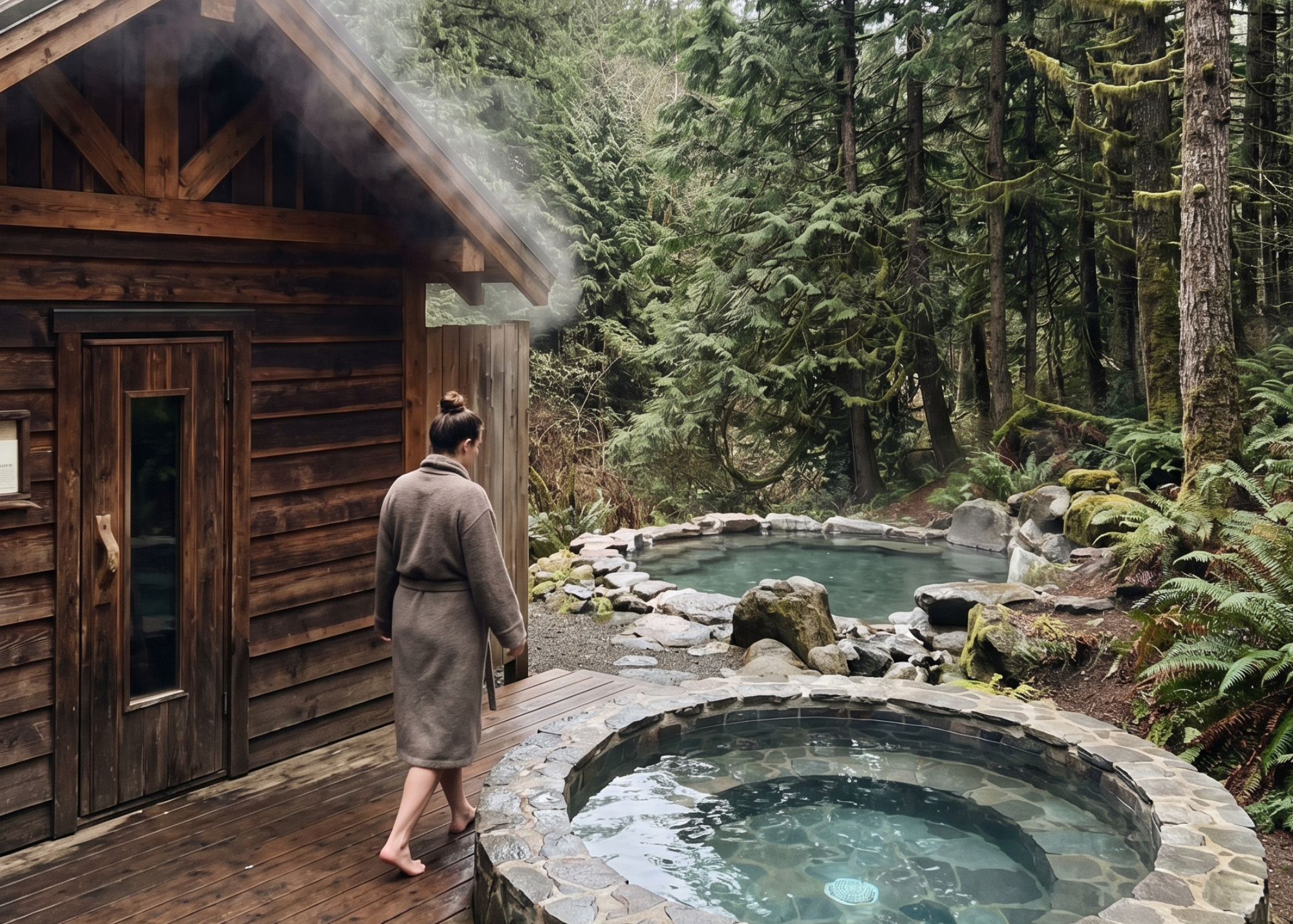
A wood-fired sauna sits just beyond a tree line. The structure is simple, often cedar, sometimes glass-lined, but always positioned with purpose. The heat builds slowly, carrying the scent of the wood itself.
Step outside, and the shift is immediate.
Cold water, whether from a plunge pool, a glacial-fed stream, or a still basin set into stone, interrupts the heat. The air feels sharper. The body recalibrates without instruction.
At Clayoquot Wilderness Lodge, this rhythm plays out quietly along the edge of the Pacific. Wood-fired hot tubs and open-air saunas sit within a landscape that feels largely untouched. Guests move between heat and cold with no set sequence, guided more by instinct than structure.
Nothing here is rushed. And nothing feels added for effect.
Designed by Landscape
What separates a Wild Spa from a traditional wellness space is not the offering, but the setting.
In a conventional spa, the environment is controlled. Lighting, temperature, and sound are adjusted to create consistency.
In a Wild Spa, those elements are left largely intact
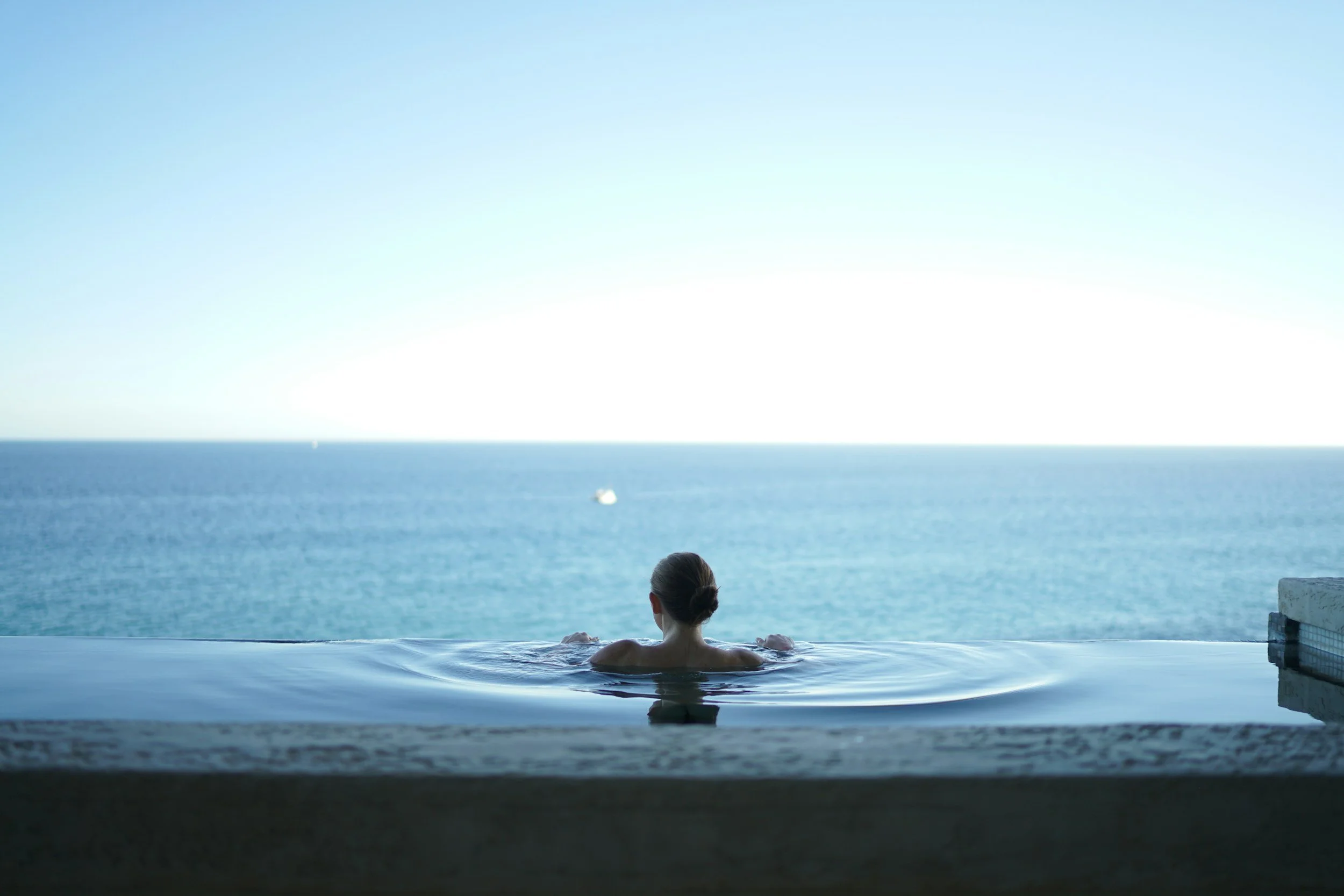
At Four Seasons Tented Camp Golden Triangle, open-air soaking tubs overlook dense jungle canopy. The design is considered canvas, wood, stone but it doesn’t compete with what surrounds it. The landscape holds the visual weight.
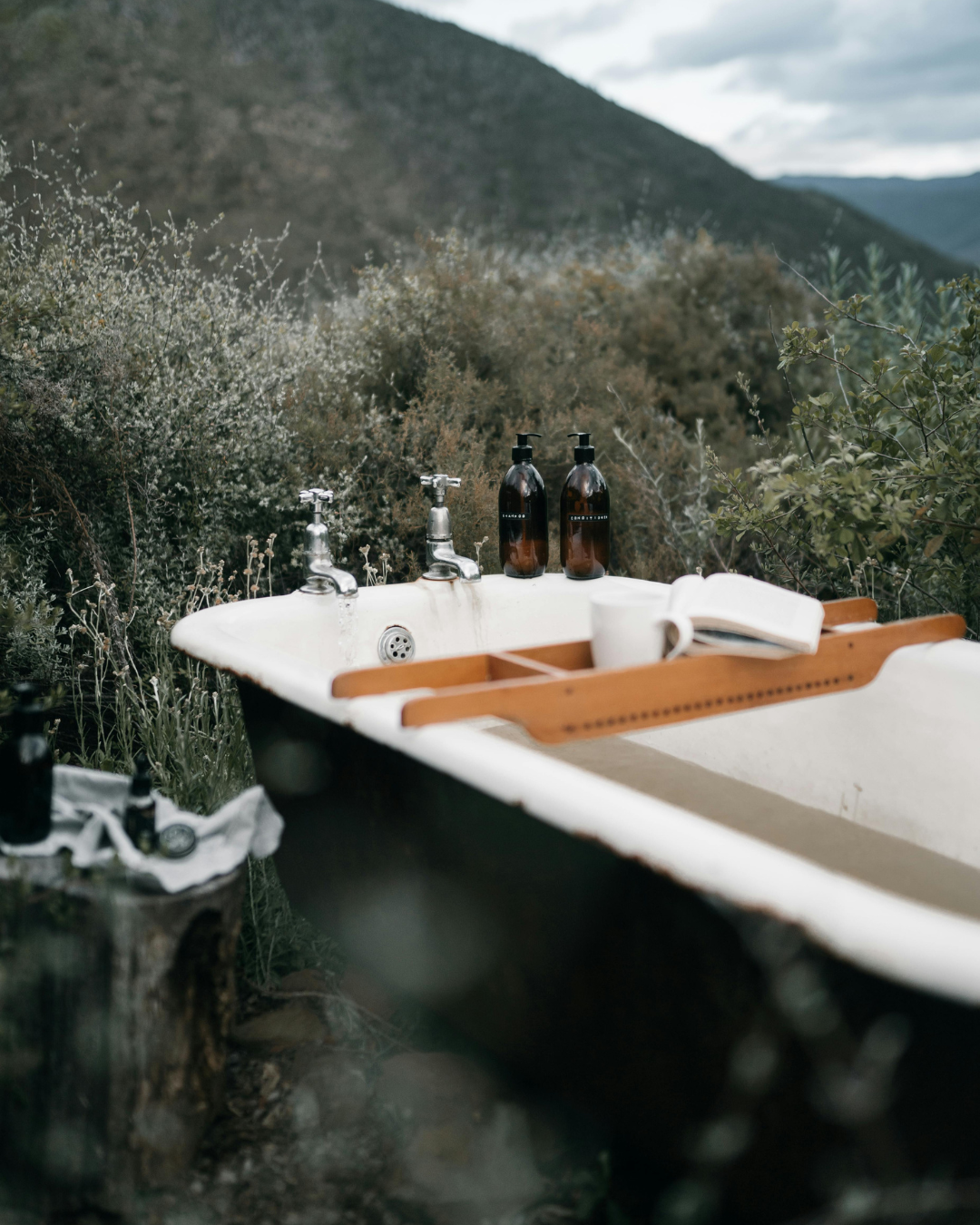
A soaking tub placed at the edge of a ridgeline.
A sauna partially hidden among pines.
A thermal pool left visually unobstructed beneath open sky
The design supports the setting. It doesn’t try to improve it.
The Appeal of Exposure
Part of what draws travelers to these spaces is the absence of separation.
There are fewer barriers between the body and the environment.
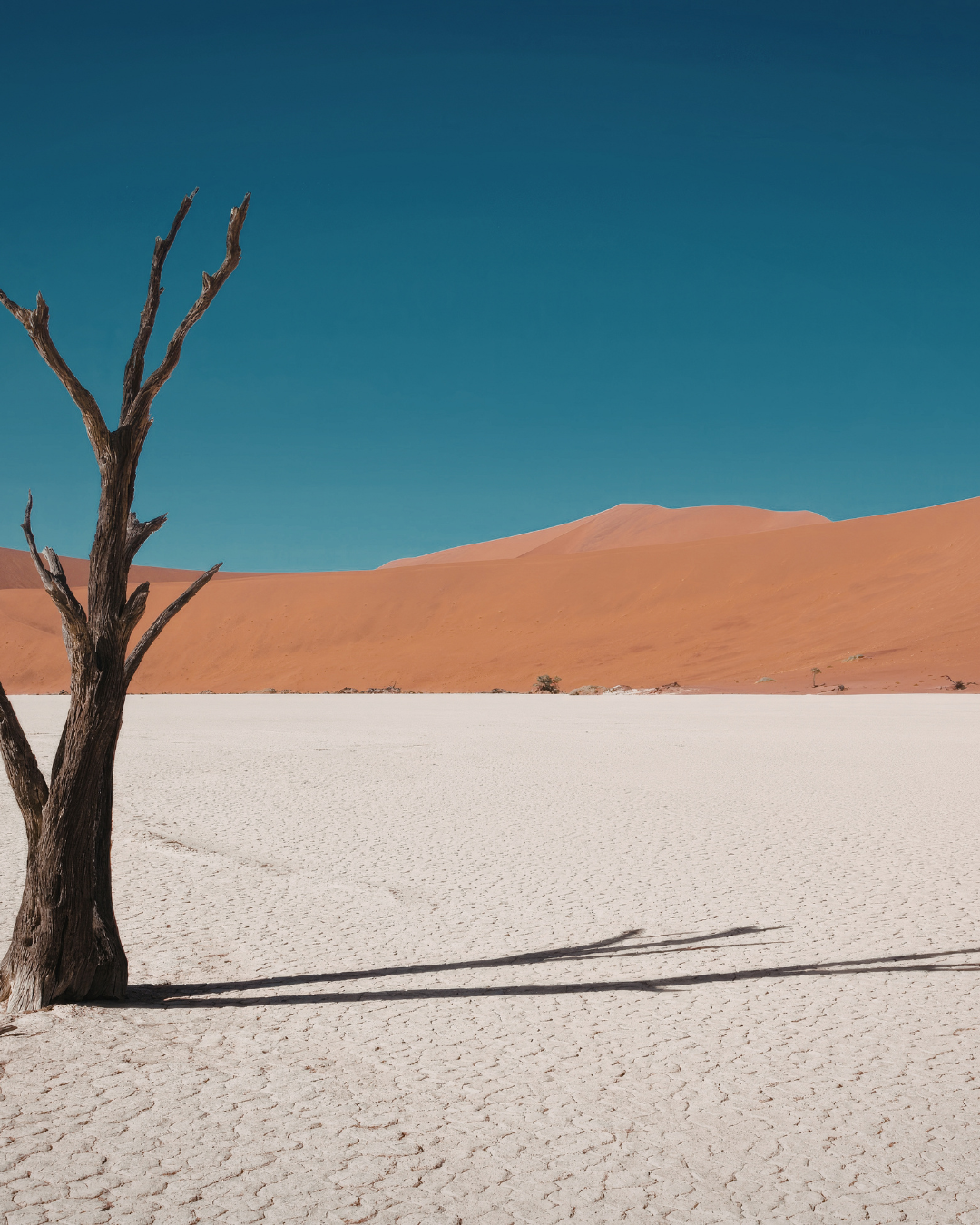
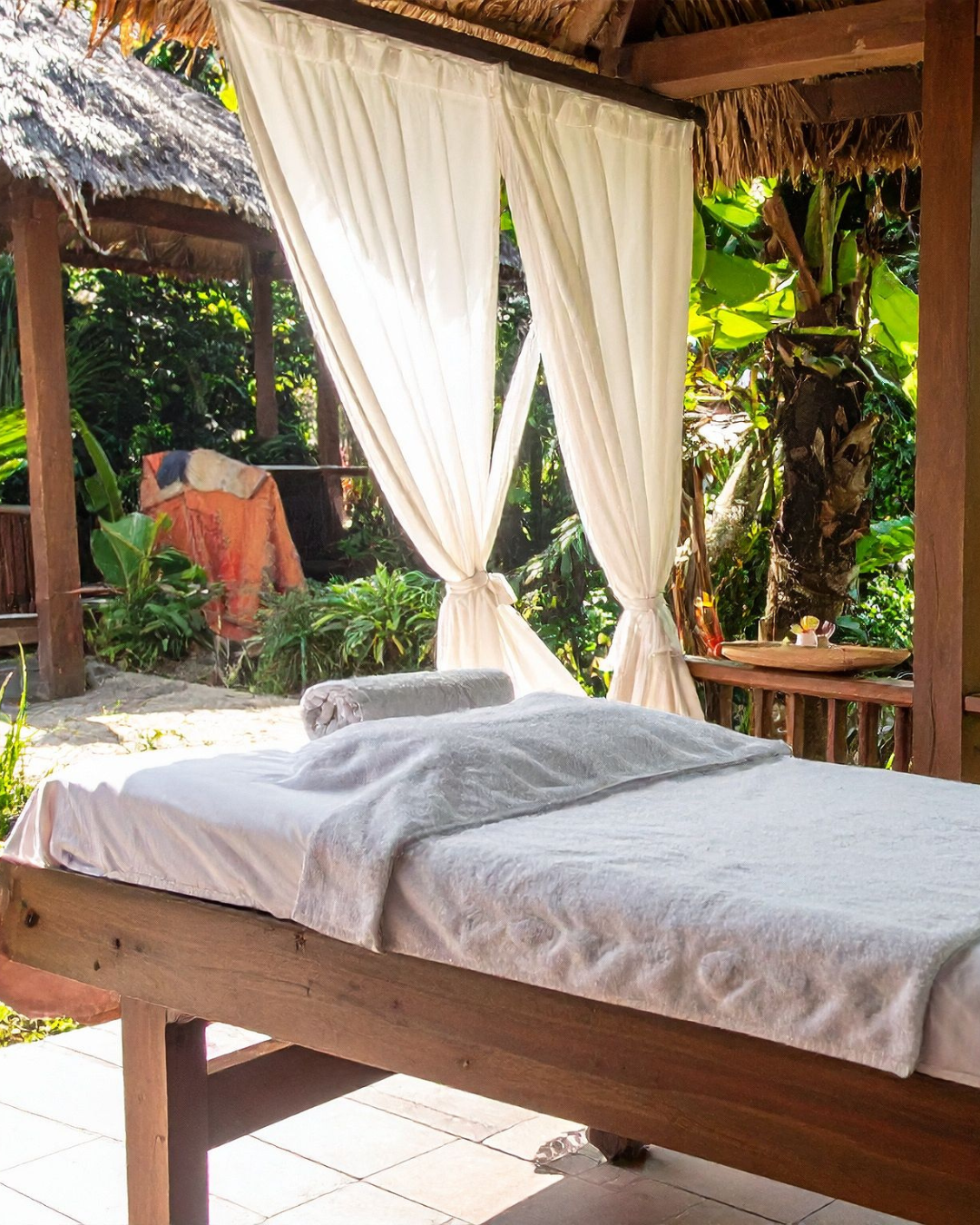
At ULUM Moab, the desert introduces a different kind of exposure. Heat is not contained within walls, it exists in the air, in the stone, in the rhythm of the day itself. Outdoor soaking spaces and open-air wellness areas are positioned to frame the surrounding red rock formations rather than distract from them.
You feel the temperature shift when you step outside.
You hear the wind move across open land.
You notice the ground beneath your feet.
This exposure creates awareness without direction.
Wellness Without Instruction
Traditional wellness spaces come with guidance what to do, how long to do it, when to transition.
The Wild Spa removes most of that.
There is an understanding of the sauna-to-cold cycle, but it’s rarely enforced. Guests stay longer. Or shorter. They return to the heat. Or sit outside longer than expected.
The experience becomes self-paced.
At properties like Scandinave Spa Whistler, silence is encouraged, but the sequence is not dictated. Guests move through hot pools, cold plunges, and rest areas at their own rhythm, guided more by sensation than instruction.
This shift changes wellness from something that is delivered to something that is felt.
A Response to Overdesign
There is a growing resistance to environments that feel overly produced.
In travel, this shows up as a preference for spaces that feel grounded, materials that age, structures that sit naturally within their surroundings, experiences that don’t rely on excess.
The Wild Spa aligns with that shift.
It doesn’t remove design, it refines it.
Materials are chosen for their performance outdoors. Layouts are shaped by terrain. The visual language is quieter, often limited to what is necessary.
What remains is a space that feels stable, not staged.
The Role of Simplicity
What makes these spaces effective is not complexity, but clarity.
There are fewer components. Fewer transitions. Less layering of services.
And that simplicity creates room.
Room to notice the temperature shift between sun and shade.
Room to stay longer in one place.
Room to experience the setting without interruption.
It is a quieter form of luxury.
Not defined by what is added, but by what is left alone.
An Experience That Stays With You
The Wild Spa doesn’t rely on design alone for memorability.
It’s the sequence that lingers.
The heat of the sauna against cold air.
The stillness after immersion.
The awareness that follows is subtle but sustained.
These are not dramatic moments. They are measured ones.
And they tend to stay longer than expected.
Where Wellness Is Moving
The rise of the Wild Spa isn’t about replacing traditional wellness spaces.
It’s expanding the definition.
There will always be a place for controlled environments, structured treatments, and the consistency indoor spaces provide.
But there is a growing interest in something less contained.
Something that allows the setting to take the lead.
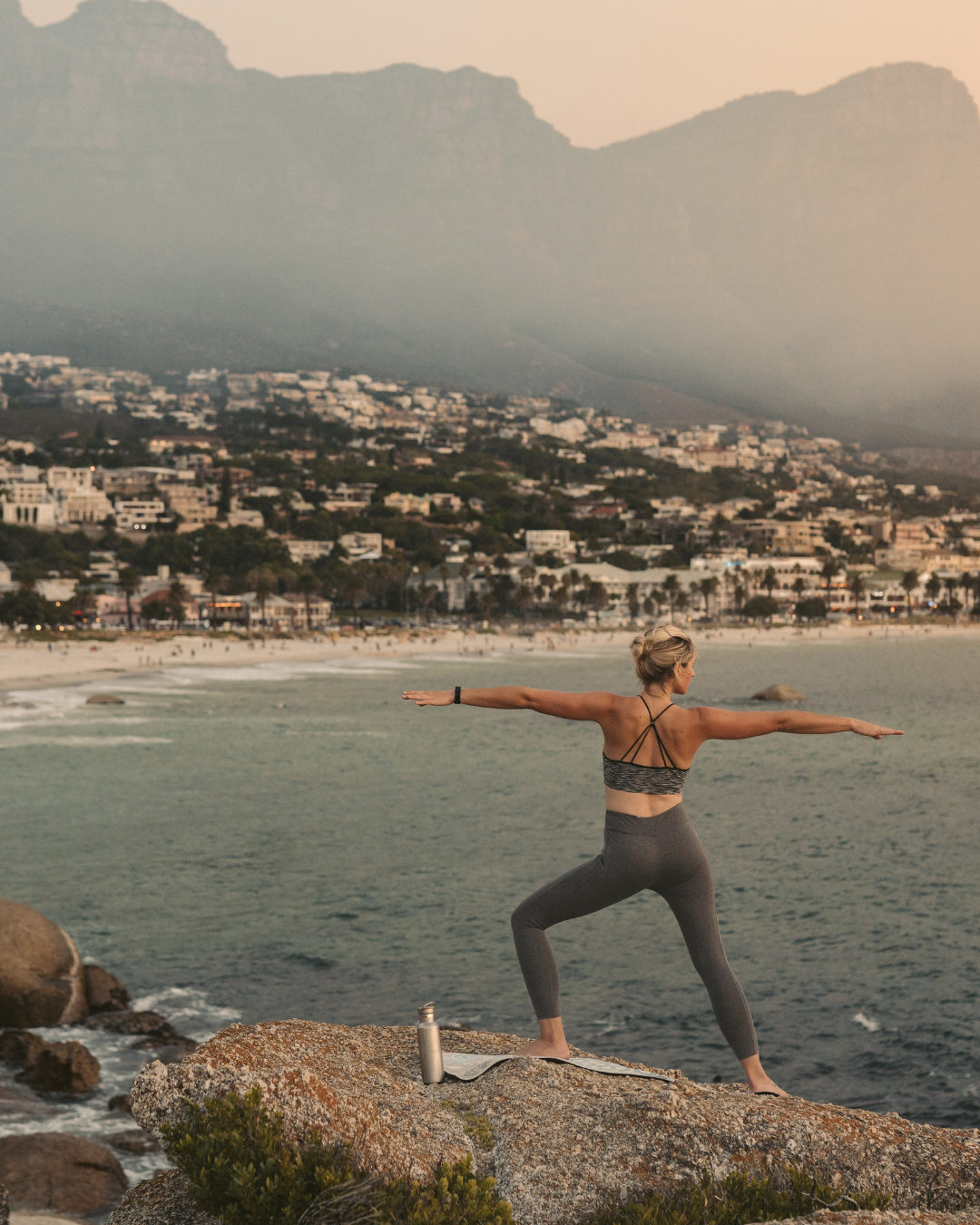
Where wellness is not introduced into the environment, but discovered within it.