
The Return of Open Air Wellness
Wellness travel has shifted in setting as much as in style. For years, restoration was largely associated with enclosed environments such as softly lit treatment rooms, controlled temperatures, and scheduled sessions. Those spaces offered comfort and predictability.
Increasingly, however, wellness programming is taking place outdoors. Lakeside yoga platforms, desert plunge pools, forest bathing trails, and open-air meditation decks are becoming defining elements of modern hospitality. The change is not aesthetic; it is environmental.
Outdoor settings introduce variable light, shifting temperatures, natural sound, and open visual range, conditions that differ fundamentally from interior spaces. Rather than isolating guests from their surroundings, these environments incorporate them.
Natural settings alter sensory input in measurable ways. Light changes gradually instead of remaining fixed. Air circulates freely. Sound carries without amplification.
Visual fields extend beyond walls and corridors. These elements influence how time is experienced, often creating a sense of openness that interior environments cannot replicate.
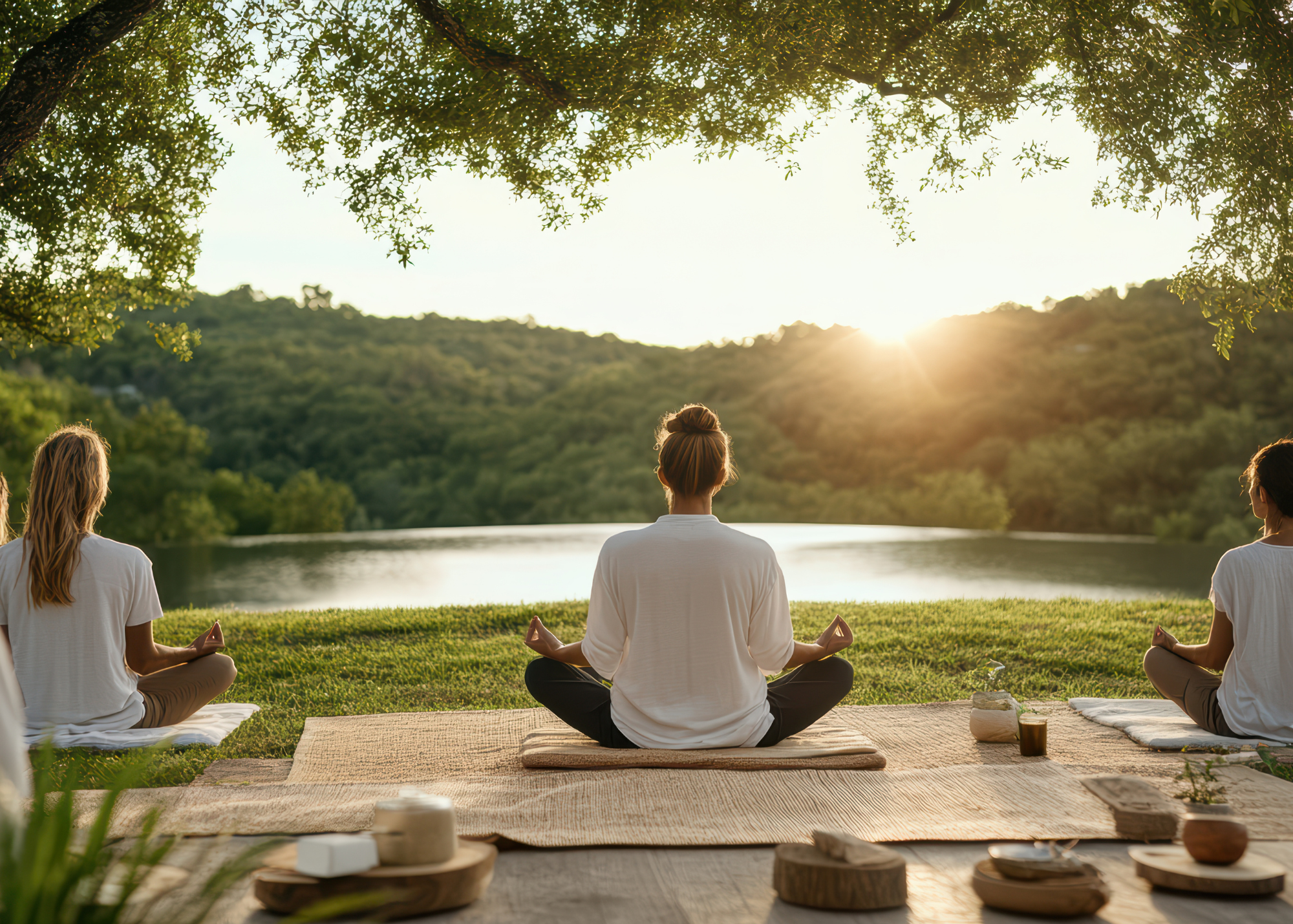
A yoga session held on a platform overlooking water differs from one conducted in a studio. A meditation practice beneath an open sky differs from one inside a spa suite. The setting shapes the experience as much as the session’s structure. Increasingly, properties are designing wellness programming around this distinction.
Traditional wellness is organized around scheduled sessions and designated spaces, and there is value in that clarity. Outdoor wellness shifts the emphasis from room to environment. Rather than entering a separate facility, guests remain within the landscape. Morning movement takes place on decks positioned toward water or desert terrain.
Hydrotherapy occurs in plunge pools exposed to air and sky. Evening relaxation happens beside a fire feature rather than in a dim corridor. The setting is not decorative; it is functional.
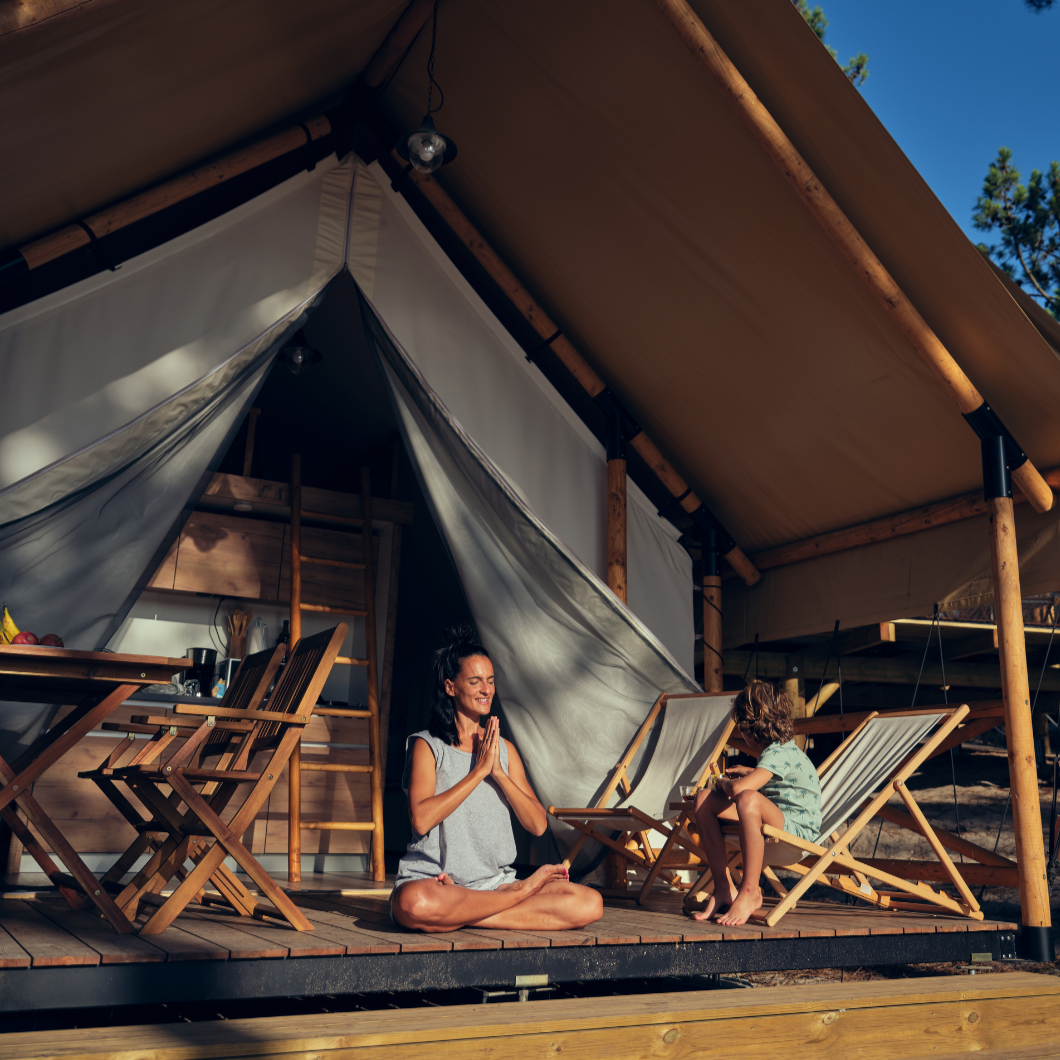
Glamping properties are especially suited to this kind of experience. With canvas walls, private decks, and open-air gathering spaces, guests can enjoy comfort while still feeling connected to the outdoors. Features like heated floors, rainfall showers, and king-sized beds bring the level of ease many travelers want, but the setting changes everything. These comforts are surrounded by trees, water, sandstone, or wide-open sky. The experience is still luxurious, but it feels more connected to nature.
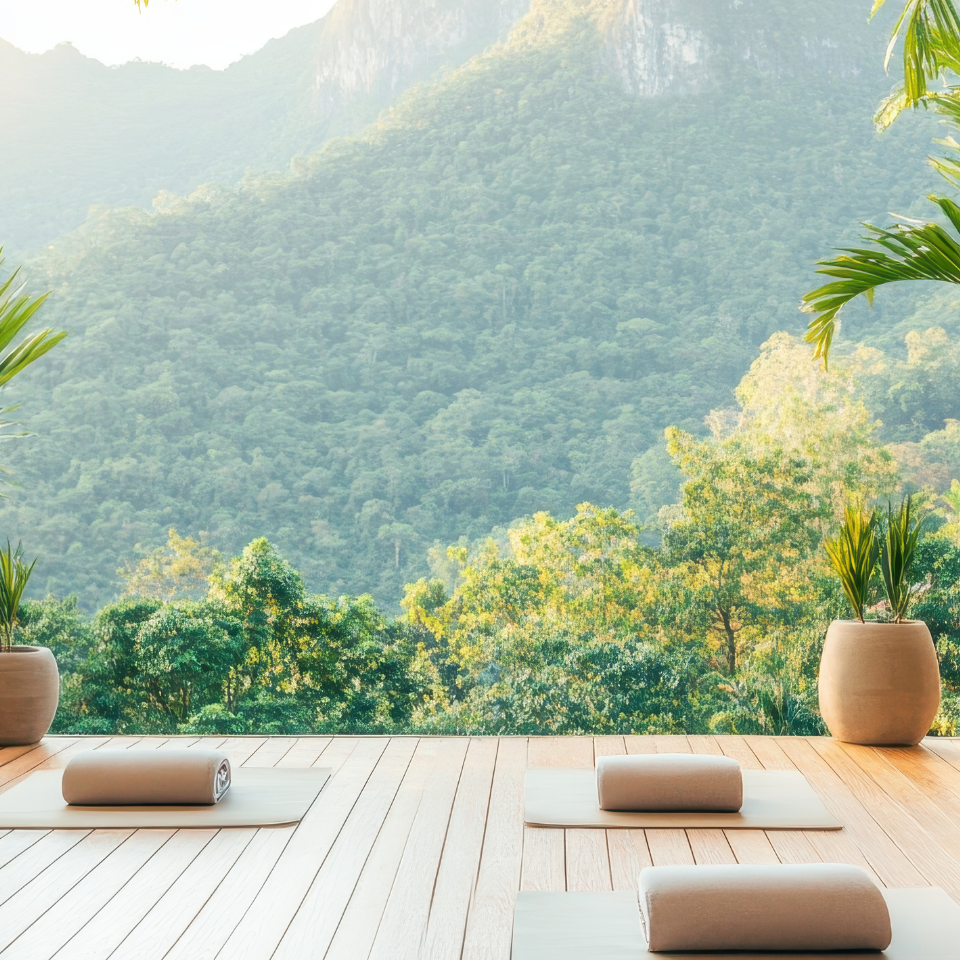
Spring makes that connection even stronger. Milder temperatures, longer days, and the return of seasonal color make it an ideal time to be outside. Trails reopen, water levels rise, and desert and forest landscapes begin to shift in fresh and noticeable ways. It becomes easier to spend more of the day outdoors, whether that means walking, relaxing on a deck, or simply taking in the view.
Compared with the height of summer, spring often feels calmer and more comfortable. Evenings stay light without intense heat, and mornings are cool enough to enjoy without feeling rushed indoors. For travelers looking to slow down and recharge, it is one of the best seasons to experience glamping at its most enjoyable.